Raising the quality of insights in agentic analytics
A sponsored survey says analytics agents miss more often than they help, and the honest fix it points to is unglamorous: business context and governance, not a bigger model.
Desk
AI adoption inside large organizations.

A sponsored survey says analytics agents miss more often than they help, and the honest fix it points to is unglamorous: business context and governance, not a bigger model.
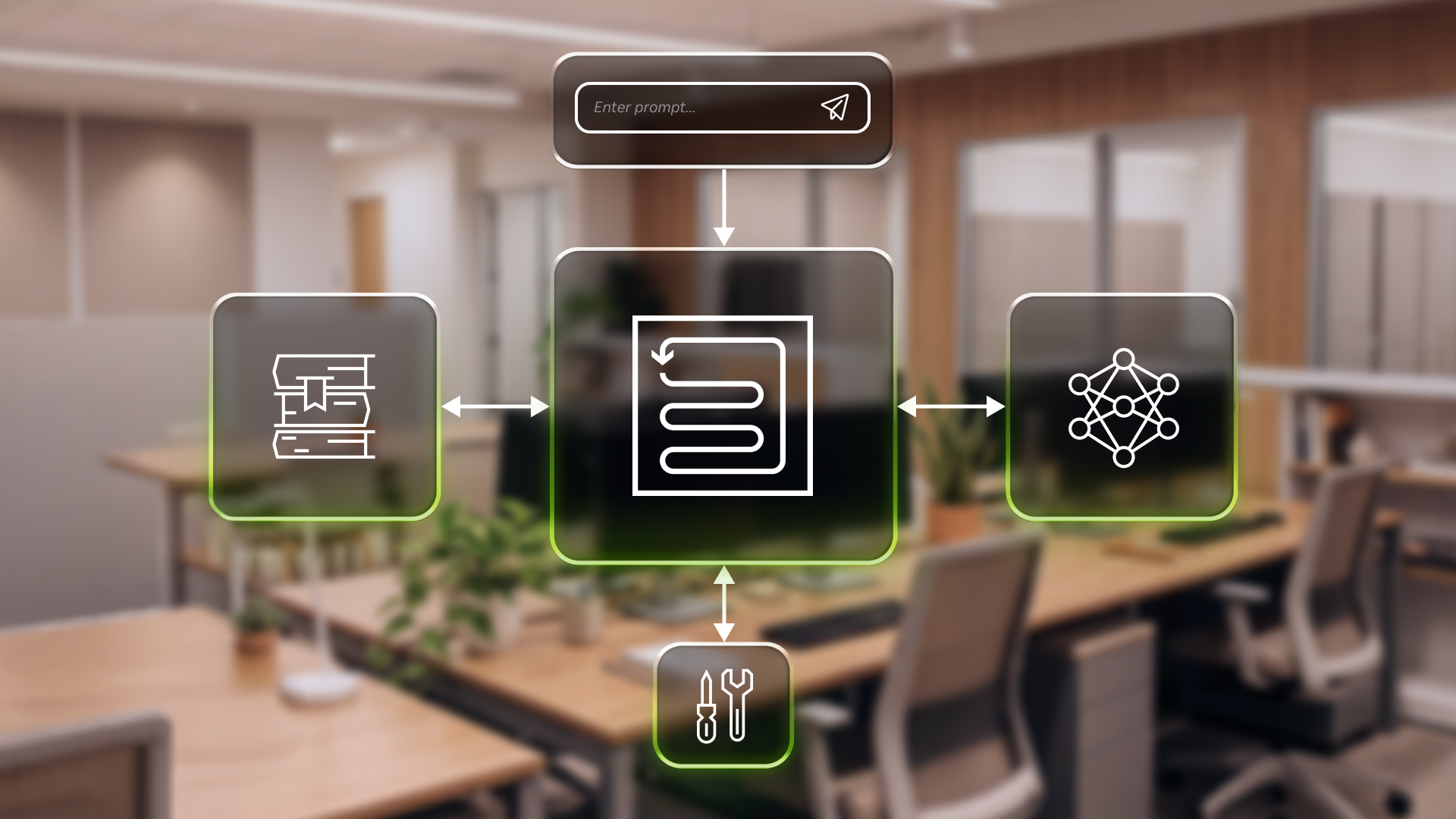
NVIDIA is betting that the hard part of data agents isn't writing SQL, it's knowing what the numbers mean, and it has open-sourced the layer that's supposed to hold that meaning.

NVIDIA is pitching NemoClaw as the scaffolding around the agent rather than the agent itself, and the real bet is that governed open stacks can handle specialist work at a fraction of frontier cost.

Microsoft is testing Copilot against fake companies built from public data, a smart answer to the privacy problem that still leaves open whether fake offices behave like real ones.

A sponsored survey says most companies still aren't getting transformative value from AI, and the pitch for fixing it is a 'context layer' that, conveniently, vendors sell.

OpenAI and ServiceNow are wiring ChatGPT and Codex into the systems where corporate IT actually happens. This is the less flashy side of AI, and probably the more important one.

Anthropic's S-1 shows a familiar playbook: land with the API, expand into apps, and make leaving harder, which is good business and a growing dependency question for buyers.

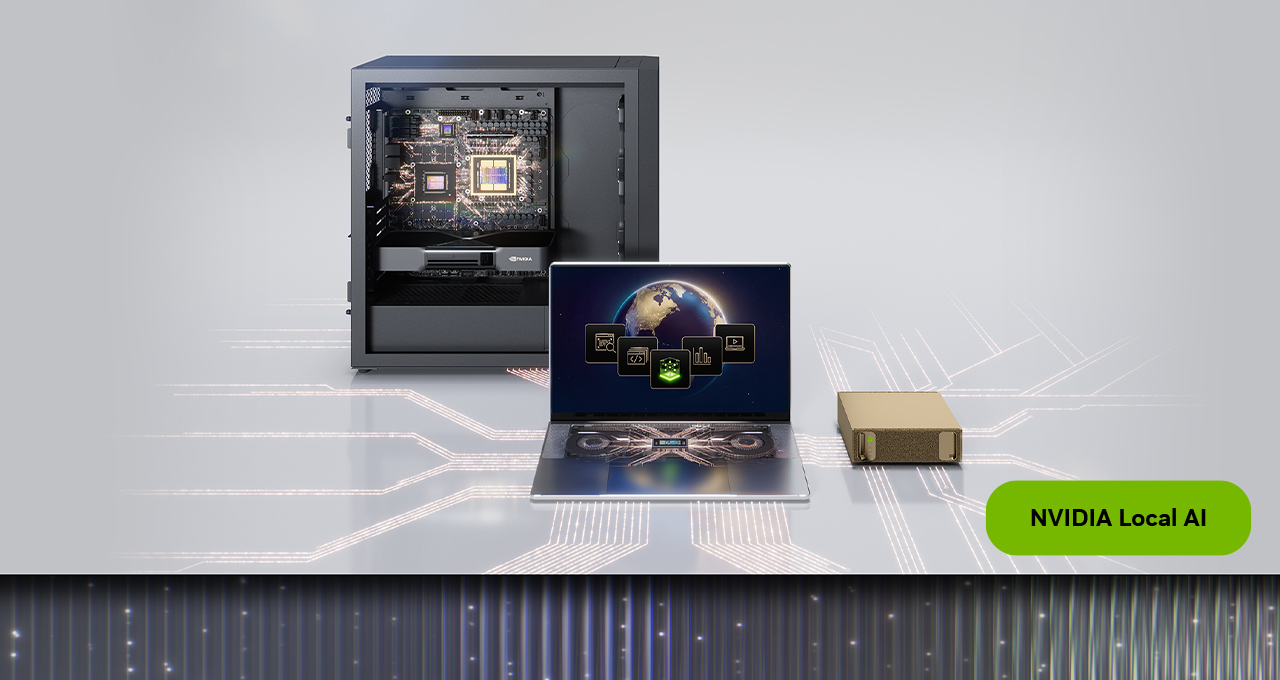
NVIDIA used GTC Berlin to argue that agents belong on the desk as much as in the cloud, and the pitch is strongest where it promises data never has to leave the room.

NVIDIA wants to own the layer where enterprise agents meet company data, and the open-source Agent Knowledge Foundation is its bid to make that layer feel neutral.

A vendor survey says tech and finance are setting the AI pace, but its most important finding is buried: few bosses rank checking AI's work as essential.

NVIDIA folds vision, documents, video and tool use into one open 120B mixture-of-experts model, betting enterprises would rather post-train a single agent brain than stitch several together.

NVIDIA’s cuDF Spark skills turn UDF rewrites into an agent loop—and one production example cut operator time from 274.55 hours to 12.78 on a 600-billion-row job.