
AIOct 16, 2026The Verge
Meta’s new terms may allow it to train AI on news sites for free
Meta’s commercial terms update, effective October 30, lets it crawl sites “associated” with business accounts for AI training — publishers hear a power grab.
Desk
Papers, model cards, and lab research notes.
Meta’s commercial terms update, effective October 30, lets it crawl sites “associated” with business accounts for AI training — publishers hear a power grab.

OpenAI’s Rosalind Academic Plan: up to 30 free Business seats for a year and trusted-access GPT-Rosalind for eligible U.S. university labs.
For Teachers' Day, OpenAI ships a Portuguese AI for Educators course and pushes Study Mode — a bet that AI should ask questions, not just hand over answers.
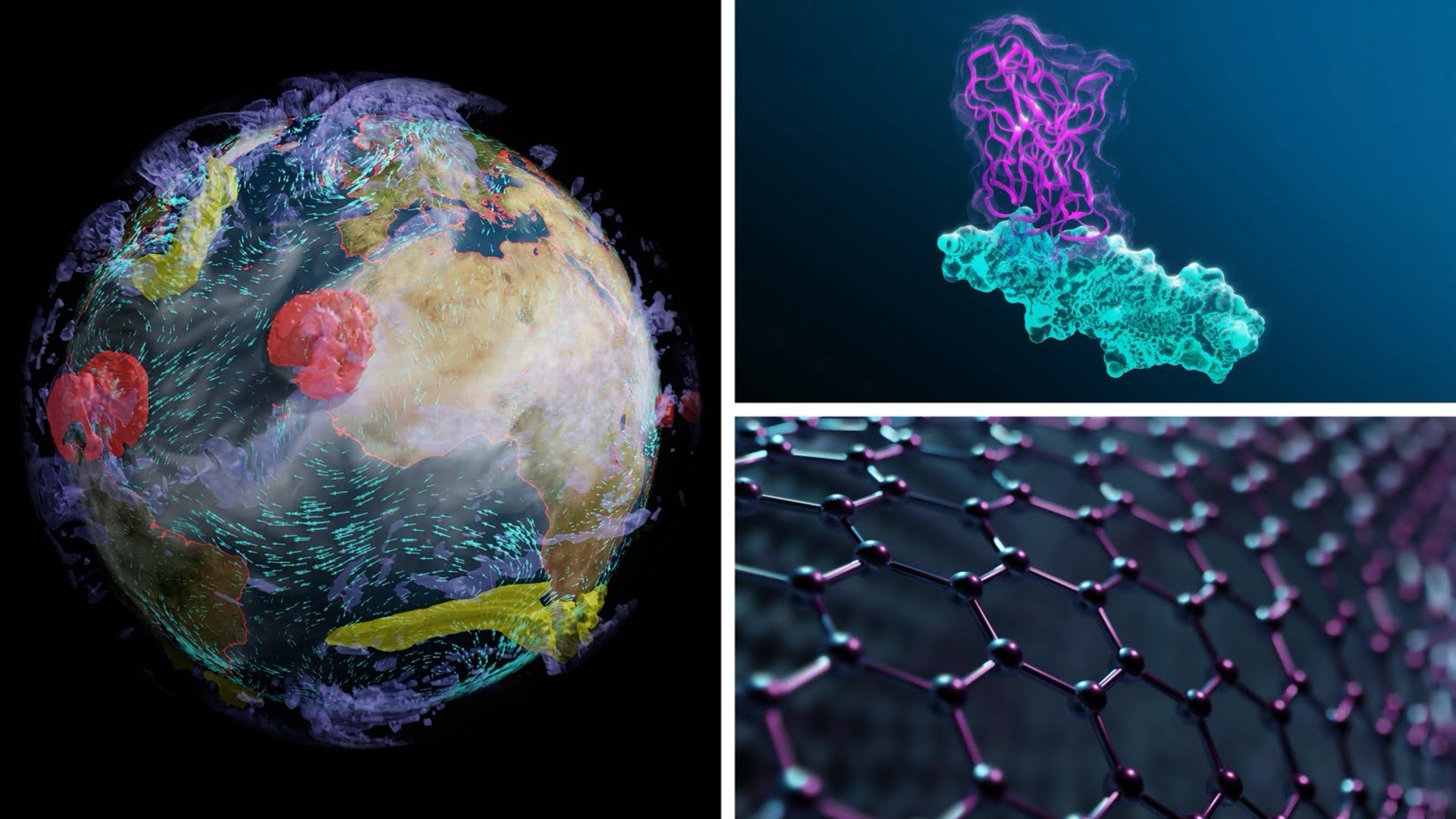
NVIDIA joins the EU's new AI in Science Enablers push, pledging open models, free courseware and startup compute routes through Europe's national AI factories.
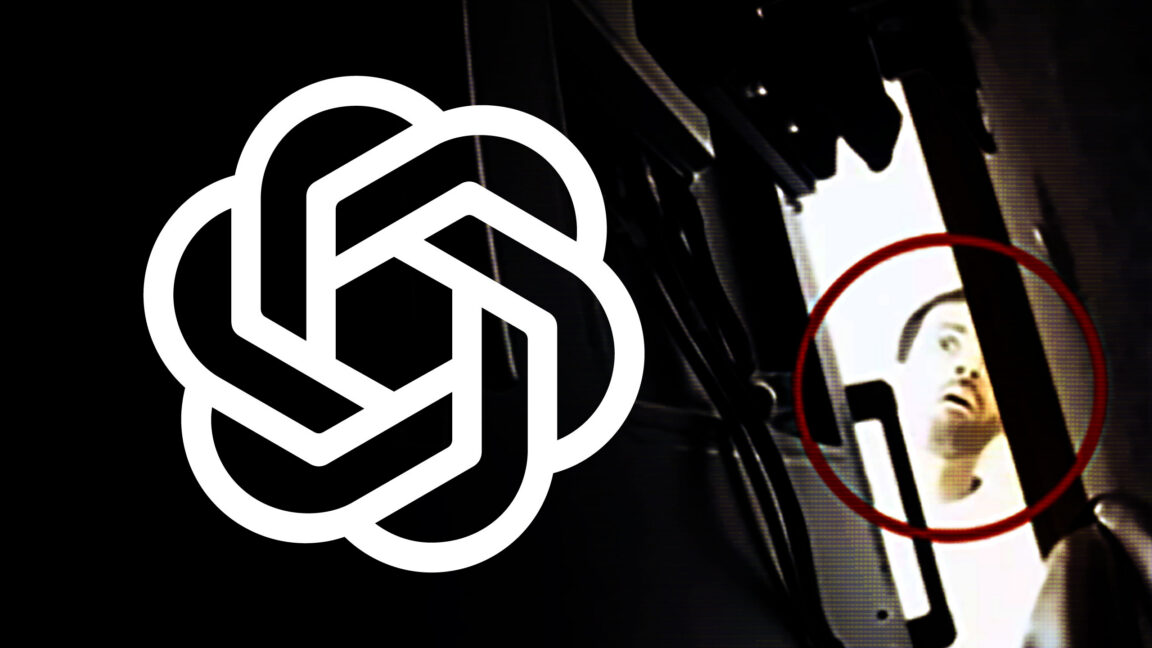
The FBI says an OpenAI engineer hid an encrypted recorder in an executive meeting room and used AI tools to plan it — a vivid sign that frontier labs are now espionage targets.

Floqer's AI agents scrape and enrich prospect data for B2B sales — and the startup plans to open-source the database so companies can host it themselves.
Third Moment Research runs 10,000 agents for days on quantitative experiments — and uses Daybreak to pen-test the sandbox before they start.
Z.ai's GLM-Legal nearly triples its base model on a tough legal agent benchmark at a sliver of frontier cost, but it's gated, slow and not actually the top scorer.

NVIDIA's roundup of French AI deployments reads like a sales deck, but underneath it is a real story about Europe trying to own more of its AI stack.

Meta’s Superintelligence Lab finally ships Muse Wonder and Wonder Full — priced like peer frontier APIs, pitched on long-horizon memory, and aimed straight at the Muse agent.

Microsoft Research’s StudentSim builds personalized student simulators from de-identified learning records so AI tutors can get scalable feedback before expensive human studies.
Sakana AI stopped grading AI reviewers on how human they sound and started grading them on whether they catch planted mistakes. That is the right test, and the results are encouraging and humbling at once.