
AIOct 7, 2026TechCrunch
Google experiments with an AI-powered gaming platform
Google Labs' Playground turns a text prompt into a playable browser game, and the real question is whether it becomes a creative on-ramp or a firehose of disposable games.
Desk
Google, DeepMind, and Gemini developments.
Google Labs' Playground turns a text prompt into a playable browser game, and the real question is whether it becomes a creative on-ramp or a firehose of disposable games.

Google just made checking for AI watermarks a one-stop public website, which is real progress, and it also makes a clean result easier to misread as proof something is real.

Google just handed everyone a free AI-media checker, which is a real public good, as long as nobody treats a blank result as proof something is human-made.
Google's small open embedding model makes private, offline search of photos, voice memos and video practical on a phone, which is a privacy win and a new kind of power.
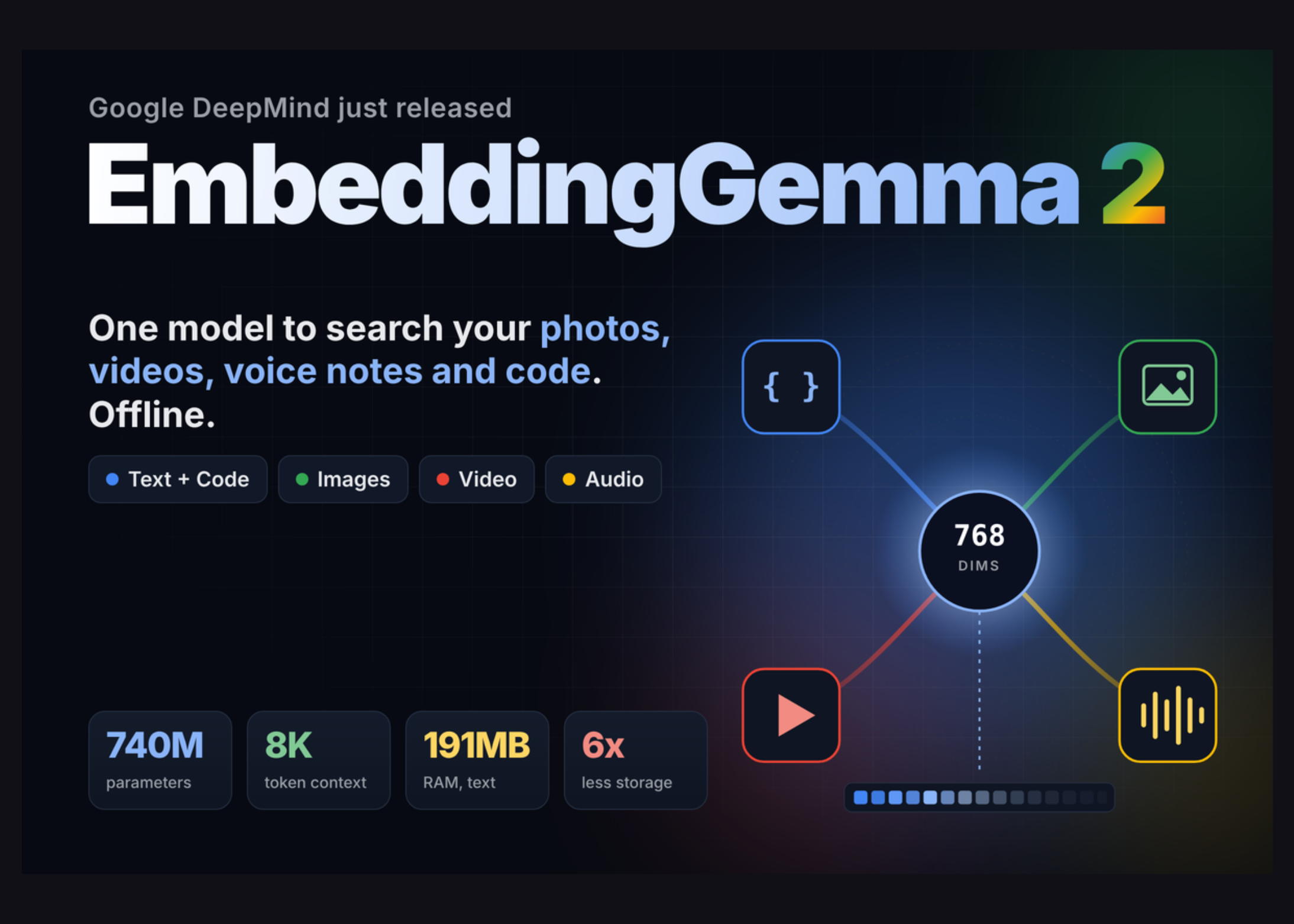
EmbeddingGemma 2 brings search across photos, video, audio and code onto a phone under a permissive license, which is great for privacy and a little unsettling for the same reason.

Google is pulling Flash and Pro from Gemini's free tier and its cheapest plan — a sign the era of giving away good AI to win users is ending.

Google may be teaching Gemini to phone the people in our lives with quick messages, and the convenience is real, but so is the strangeness of a voice call that no human actually placed.

OpenAI is putting an invisible signal into ChatGPT and Codex text for Europeans first, and the honest caveats it attached matter more than the feature itself.

A sharp essay calls AI a “cognitive hot dog” — and while we think it undersells real uses, its warning about schools outsourcing effortful thinking is one the industry should stop waving away.

MIT Technology Review's EmTech Future bet on one idea: AI's biggest effects show up where it collides with biology, energy, quantum and industry. We think that's the right frame.
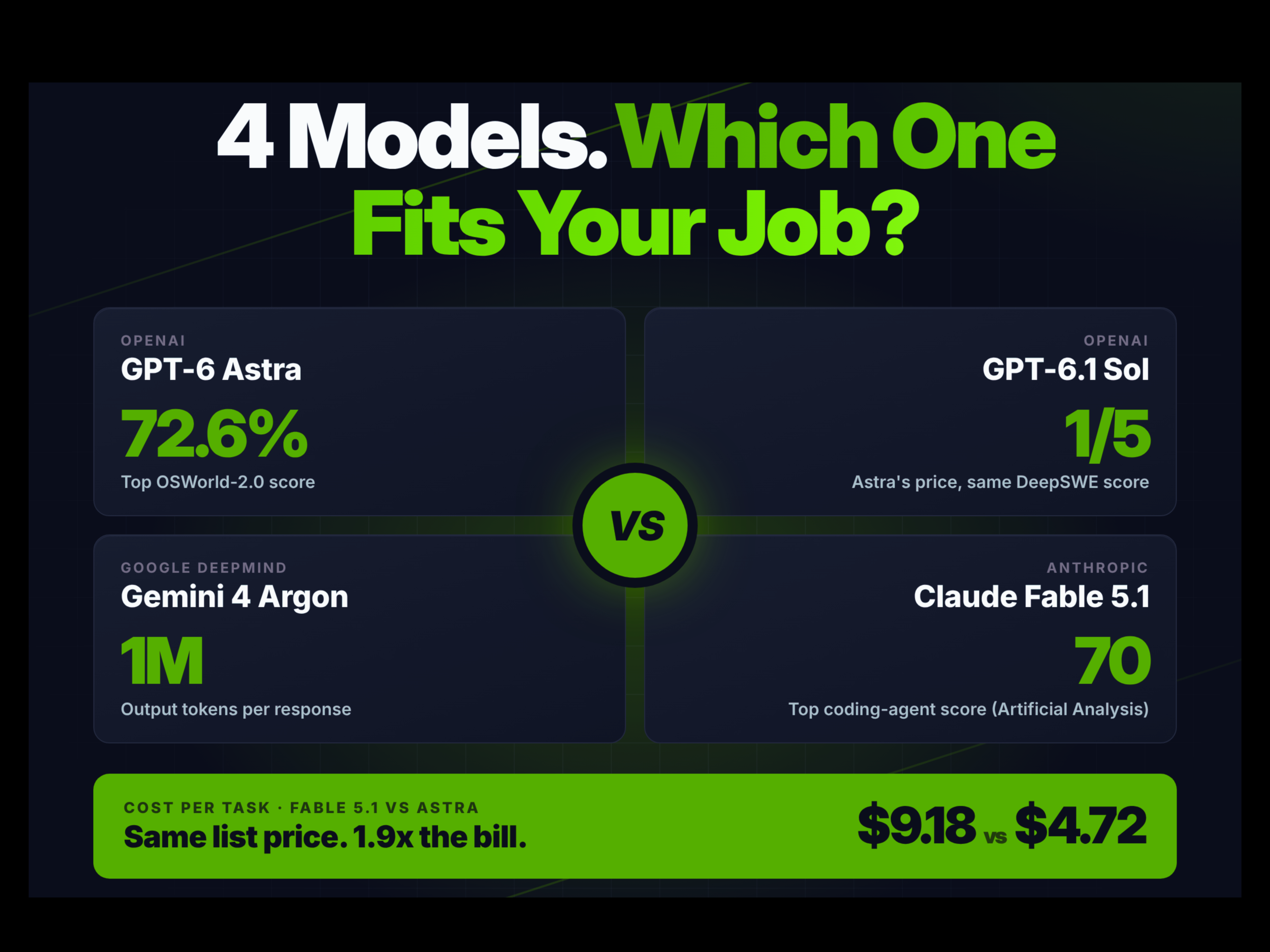
Four frontier models in thirty days, and the benchmarks barely separate them — the real differences are price, cache rates and who is even allowed to use the thing.

Google just paid the bill for AI slop in security research: its open-source bug bounty is frozen until 2027 because humans couldn’t keep up with automated junk reports.