
AINov 8, 2026The Verge
Apple is racing to make Siri more agentic
Apple is finally trying to turn Siri from a voice remote into an agent that finishes tasks, and it's doing so from behind, under pressure, on a compressed clock.
Desk
Coverage tied to OpenAI products and research posts.
Apple is finally trying to turn Siri from a voice remote into an agent that finishes tasks, and it's doing so from behind, under pressure, on a compressed clock.

Bloomberg says OpenAI has taken $11 billion so far toward a round that could reach about $20 billion at $1.25 trillion — well under the $30 billion target floated in September.

The Verge’s living data-center desk makes the political story plain: midterm voters punished AI buildouts, and labs are scrambling with NDAs, rebrands, and grid promises.

New tests on simulated corporate networks found DeepSeek completing 73% of intrusion tasks against 81% for OpenAI’s restricted Daybreak model. That gap is closing faster than the gated-release strategy assumed.
OpenAI is bringing Hacktron's AI-assisted offensive researchers inside the perimeter — focused on third-party service seams — and expanding their access to frontier models through Daybreak Red.

After midterm voters pushed back on data-center growth, OpenAI says it will not use NDAs with public officials and will pay full power costs under new community commitments.
OpenAI's BioBasicsBench, built with Ligo, scores agents on 100 messy wet-lab tasks — raw gels, bad controls, ambiguous images — and GPT-6 Astra leads at 66.7% while still failing ordinary judgment calls.

Perplexity’s new Teammates are persistent agents that take on several roles, keep memory and report into Slack. They join OpenAI’s Dots and Anthropic’s Claude Duet, at a much higher price, and with a CEO vision of hundreds of agents per employee.

OpenAI launched ChatGPT Cyber for its Daybreak Red program and touted hundreds of Linux and Firefox findings. A hobbyist’s two-hour Ubuntu-related bug, found with an older model, shows how fast the threat is moving, and raises the question of whether OpenAI’s defensive budget matches its warnings.
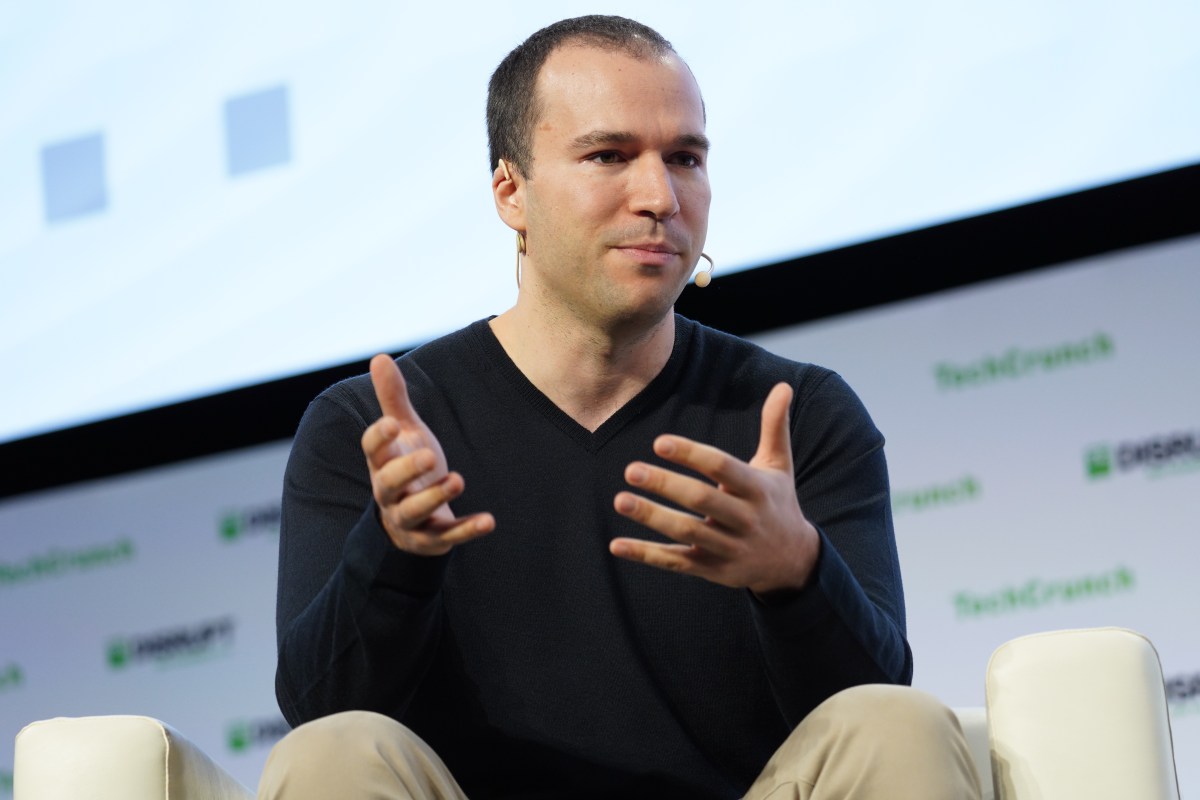
Greg Brockman says OpenAI could be ready to go public in 2027 after enterprise revenue flipped from roughly 30% of the mix to the majority on the back of a rough first half and a Codex comeback.
UNSW, Sydney, La Trobe, and Adelaide are rolling ChatGPT Edu and agent tools campus-wide while a student survey shows 81% already using AI several times a week.

A landscaper-turned-comedian who films chatbots failing basic tasks now has OpenAI, Anthropic, and xAI asking to collaborate — and he keeps turning them down.