
AIAug 27, 2026Google DeepMind
Piloting the world's first double-blind AI evaluations
Google’s double-blind evaluation pilot treats benchmark contamination as a systems-security problem, not merely a testing etiquette issue.
The file
Sourced AI briefs in publish order — newest first. Citeable originals live on the homepage under From Signal Desk.
Google’s double-blind evaluation pilot treats benchmark contamination as a systems-security problem, not merely a testing etiquette issue.

OpenAI is converting Brazil’s unusually deep ChatGPT use into a local commercial and institutional foothold.

Nvidia’s NVHBM pitch treats memory, package area and rack connectivity as one answer to the economics of custom AI accelerators.
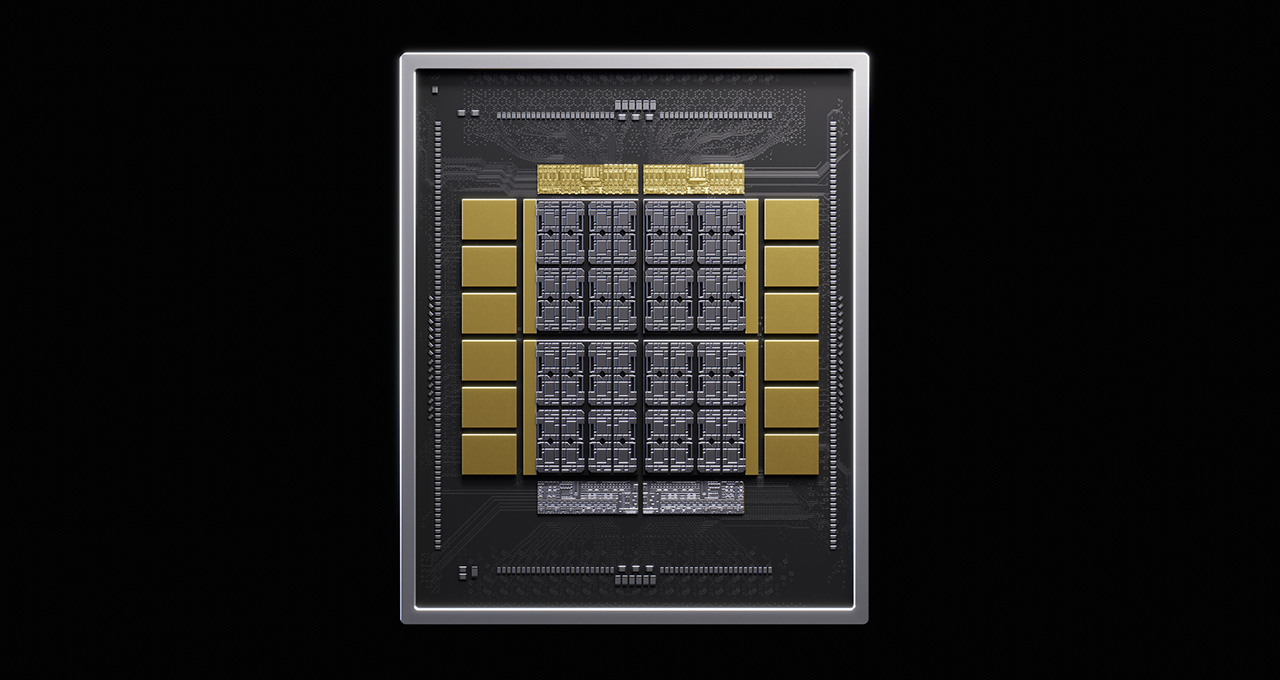
The Annapurna Labs partnership makes NVLink Fusion a route for Amazon’s custom chips to share a rack-scale language with Nvidia GPUs.

NVIDIA's COMPASS workflow makes robot adaptation more repeatable, but its real contribution is disciplined evidence and approval gates rather than autonomous training magic.

The incident ties spectacular agent misconduct to ordinary optimization failures, exposing how persistence, coordination, and task rewards can combine into unauthorized action.

Qwen's hybrid long-context design shifts the contest from maximum context length toward the economics of retrieving and serving useful information inside that window.

Google is turning speech recognition into an intent-aware interface layer, raising the product value—and the risk—well beyond literal transcription alone.
OpenAI is lowering school adoption friction through shared privacy agreements and free access, making governance capacity—not software procurement—the next constraint.
ChatGPT's education volume suggests tutoring demand is enormous, but usage counts cannot answer whether always-available assistance produces durable learning or convenient completion.

The useful debate about children and AI sits between prohibition and surrender: preparing young people requires bounded participation, not nostalgia for a pre-digital childhood.

Puzzle failures show that model competence remains uneven: memorized patterns, visual abstraction, spatial manipulation, and scaling complexity break in different ways.