A Sam Altman parody offers an amusing lesson in memory management
Nov 9, 2026, 12:49 PM · Ars Technica
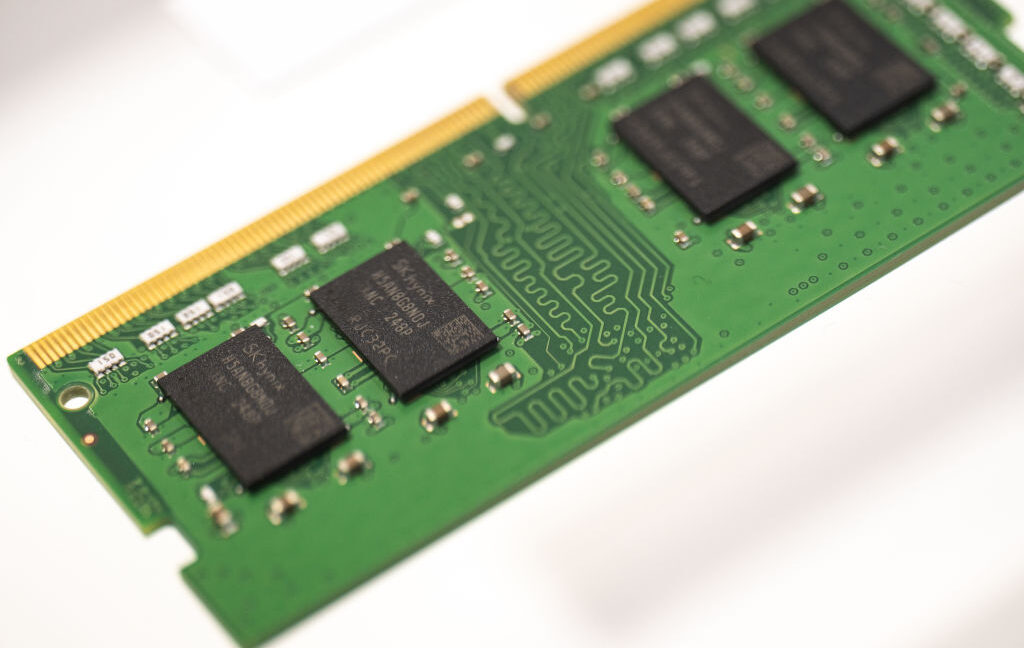
A joke script that emails Sam Altman about your idle RAM is silly, but it lands a real point about who gets to decide where scarce AI hardware lives.
Why it matters
On an Oct. 29 podcast with Stripe president John Collison, Sam Altman argued that from a global allocation view, it's wasteful for everyone to keep scarce DRAM in their own computers, used a small fraction of the time. Developer Iain Kay answered with Ram-Altman, a parody bash script that checks your Linux memory and, if more than 10% is available, can send a joke email to the OpenAI CEO, capped at once a day.
It's a gag. But it's a gag about a serious argument: whether the future of AI computing is centralized in data centers or spread across the machines people own.
From the desk
We enjoyed this one, partly because it's a rare joke that teaches something. The script measures memory the right way. It takes MemTotal minus MemAvailable from the kernel, rather than the misleadingly tiny free-memory number Linux reports because it fills idle memory with cache it can reclaim instantly. Ars tested it on a Fedora 44 machine and found 4.9 GiB of 14.9 GiB available, about 33%. Anyone who has panicked at a Linux free-memory readout learns something here.
The project is also honest in a way we appreciate. It concedes Altman was talking about how much of the time memory sits idle, while the script only takes a snapshot of free capacity. That nuance steps on the punchline, and Kay keeps it anyway.
Now the serious part. Altman's framing isn't crazy on efficiency grounds; idle hardware is idle hardware, and memory is genuinely scarce right now. But we'd push back on where that logic leads if it scales. A world where efficient allocation means your memory belongs in someone else's data center is a world where local inference, privacy and ownership become luxuries. Open models running on personal machines are one of the healthiest counterweights in AI, and they need consumer hardware to stay affordable and abundant.
Altman has said the remarks were taken out of context, and he leaned into the joke by briefly renaming himself on X. Good. The underlying question deserves more than a viral moment, though: when supply is tight, who gets priority, the cloud or the person at the keyboard?
One caution. Kay notes the script includes nobody's email address and urges users to honor stop requests. Automated daily emails at a public figure can tip from satire into harassment quickly. The dry-run mode, which prints the jokes without sending anything, is the right way to enjoy it.
Context
Ram-Altman is open source on GitHub and can be scheduled to check memory every five minutes. A companion site rotates through sample emails the script produces. Per its creator, the used figure includes page cache and reclaimable slab but leaves out tmpfs and shared memory.
Who feels it
- Linux users
- A painless lesson in why MemAvailable, not free memory, is the number that matters.
- Local-AI advocates
- The joke gives them a sharp, shareable way to contest the idea that personal memory is a misallocation.
- OpenAI
- The episode shows how quickly a data-center-first worldview reads as dismissive of ordinary hardware owners.
What to watch
- Whether OpenAI or Altman expand on the DRAM allocation argument beyond the out-of-context explanation
- Consumer memory pricing and availability as AI data centers absorb supply
- Growth in local inference tooling and open models aimed at modest consumer RAM
Companies: OpenAI