Accused OpenAI spy had folder called “Saudi Gov Docs,” FBI says
Oct 19, 2026, 1:21 PM · Ars Technica
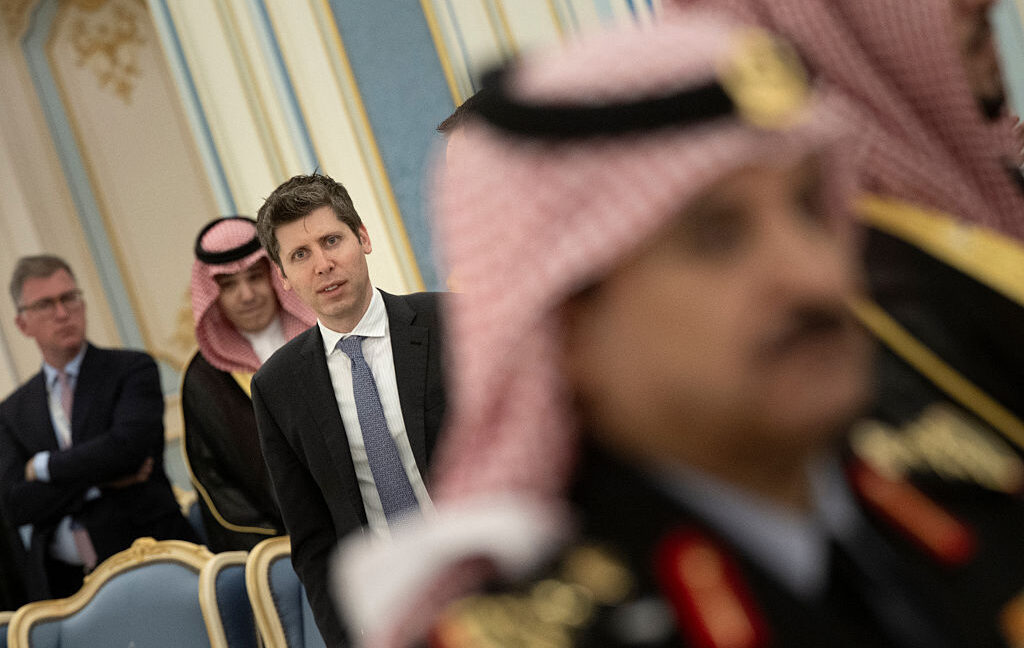
The government's detention filing turns the OpenAI bugging case into a state-power story: royal WhatsApp chats, a 'Saudi Gov Docs' folder, and an internal AI agent asked to shortlist executives for ministers.
Why it matters
A federal court on Monday kept former OpenAI engineer Abdulrahman Alfozan in detention, granting the government's request after a Sunday filing from US Attorney Craig Missakian laid out new evidence. What stands out in that filing is not the bug itself, which was already public, but the alleged web around it. Prosecutors say his phone showed WhatsApp exchanges with an unnamed member of the Saudi royal family going back to 2025, including a message saying Saudi needed him more than the US, to which he allegedly replied 100. They say he opened a folder called Saudi Gov Docs on October 4, then used OpenAI's own productivity agent to ask which senior OpenAI people might suit an informal high-level meeting with Saudi ministers.
The filing also says photos on his phone showed at least one more concealed recording device and equipment panels in OpenAI buildings, including another conference room used for sensitive meetings. And it says the original device sat for multiple days in a room where OpenAI executives met with US government officials.
From the desk
We want to be careful here. Alfozan faces one charge, illegally intercepting communications, with a five-year maximum. He has not been charged with spying for any government, and prosecutors themselves say he may have acted for his own business gain, for Saudi interests, or both. The folder's contents were not disclosed. A folder name and a chat thread are suggestive, not proof.
But the government is plainly building toward something larger, saying it may bring more serious charges. And the detail that should keep every lab's security team up at night is the agent query. If the allegations hold, an employee used his employer's own AI tool to map out who mattered, the same way the earlier complaint says he used an internal agent to scout conference rooms. Internal agents with broad access to org charts and calendars are a gift to anyone doing reconnaissance from the inside.
The geopolitics are the second layer. Prosecutors leaned on the Twitter case, where ex-employees were charged with spying for Saudi Arabia and one fled after help arranging a flight. They allege the Saudi government paid for a one-way family ticket to Riyadh and that a Saudi military member booked the wife and child onward travel after the arrest. That is a flight-risk argument, but it is also a signal of how Washington now views talent pipelines from its frontier labs to states with aggressive AI ambitions, even friendly ones.
Where this leads if it scales is uncomfortable. Labs will tighten access, and that tightening can easily slide into suspicion of foreign-born staff as a class. Silicon Valley's labs run on international talent. Blanket nationality-based scrutiny would be both unjust and self-defeating. The better response is the boring one: least-privilege access, logged and audited internal agents, and physical security that treats executive rooms like the sensitive spaces they are.
Context
OpenAI found a hidden recording device in an executive conference room in late September and tied it to Alfozan, who was then fired and arrested by the FBI. Prosecutors have said he used chatbots and internal tools while planning the bugging. Saudi Arabia's national AI push is part of its Vision 2030 program.
Who feels it
- Frontier labs
- Internal productivity agents that can surface org charts, room schedules, and executive profiles need access controls and audit trails built for insider-risk scenarios.
- Government partners
- The allegation that a bug sat in a room used for meetings with US officials will sharpen demands for secure facilities at labs.
- International AI researchers
- Expect closer scrutiny of foreign ties; the risk is that it hardens into broad suspicion rather than evidence-based checks.
What to watch
- Whether prosecutors add charges beyond the single interception count
- Any disclosure of what was in the Saudi Gov Docs folder or what the devices recorded
- Saudi government response to the allegations of ticket payments and support
- Changes at OpenAI and peers to who internal agents can answer questions about
Companies: OpenAI