Google figures out how to watermark AI-designed proteins
Sep 30, 2026, 8:54 AM · Ars Technica
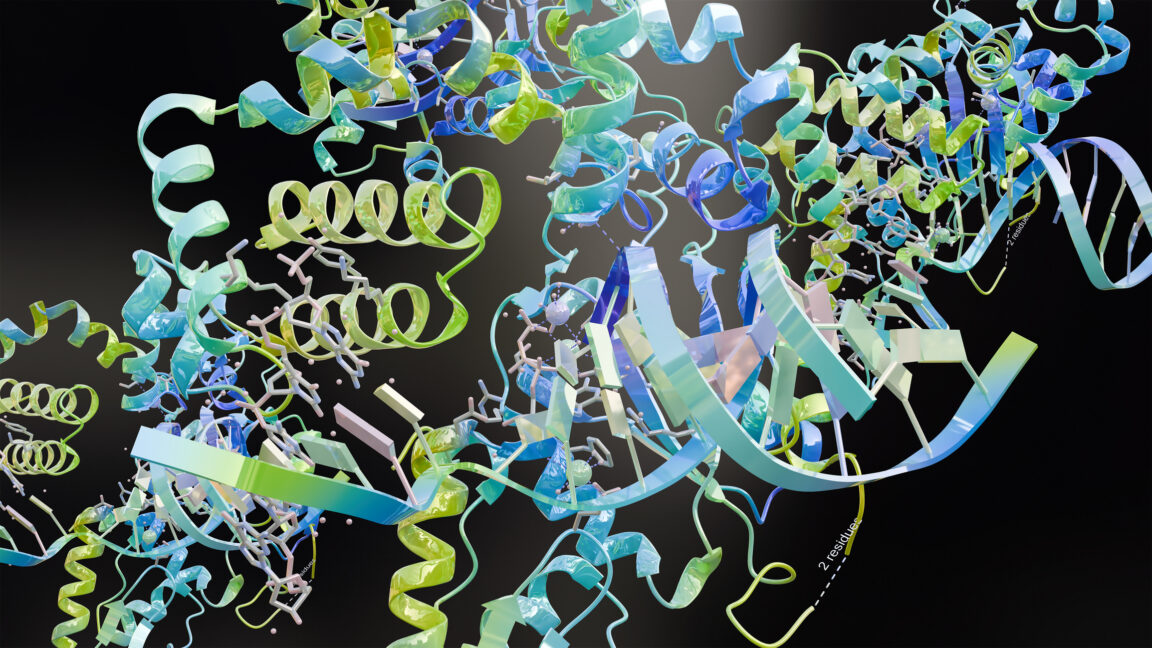
Ars: DeepMind adapts SynthID into SynthIDBio inside ProteinMPNN-style design loops — watermark only when chemistry still allows a working protein.
Why it matters
Ars Technica explains why protein watermarking looked hard: sequences are short compared with images or audio, so hiding signal risks killing function. Google’s approach hooks into ProteinMPNN’s side-chain placement along a designed backbone, using a key and prior residues to propose amino acids that ProteinMPNN can reject if they break fitness.
The reporting walks through backbone versus side-chain chemistry and frames SynthIDBio as accepting watermark residues only when chemically compatible. That matches DeepMind’s claim of functional watermarked binders and gives a clearer mechanical picture for readers who won’t parse the methods paper.
From the desk
We’re glad Ars translated the chemistry without sanding off the stakes.
If the watermark only lands in chemically flexible spots, detectability and function can coexist — that’s the engineering insight. It also means adversaries will hunt those flexible positions. Useful tools get stronger when independent explainers stress-test the story in plain language.
I’m watching whether open weights invite both adoption and stripping contests. Biosecurity layers fail open if screeners can’t trust the detector.
We’ll keep the Ars explainer next to DeepMind’s primary post. The public deserves both the lab’s claims and a reporter’s walkthrough of how the sausage is made.
Context
Ars Technica science piece on Google’s SynthIDBio protein watermarking, September 2026.
Who feels it
- ML-for-bio practitioners
- Integration points inside ProteinMPNN-like loops are the practical takeaway.
- Science journalists
- This is a model for explaining watermarking without hype.
- Security researchers
- Flexible residue positions are the obvious attack surface to probe.
What to watch
- Open-source detector quality on third-party designs
- Comparisons of watermarked versus unwatermarked binder panels beyond Google’s targets
- Whether Baker-lab and other tool authors integrate compatible hooks
Companies: Google