How AI Helps Recyclers Turn Mixed Waste Into Reusable Material
Nov 10, 2026, 7:00 PM · NVIDIA Blog
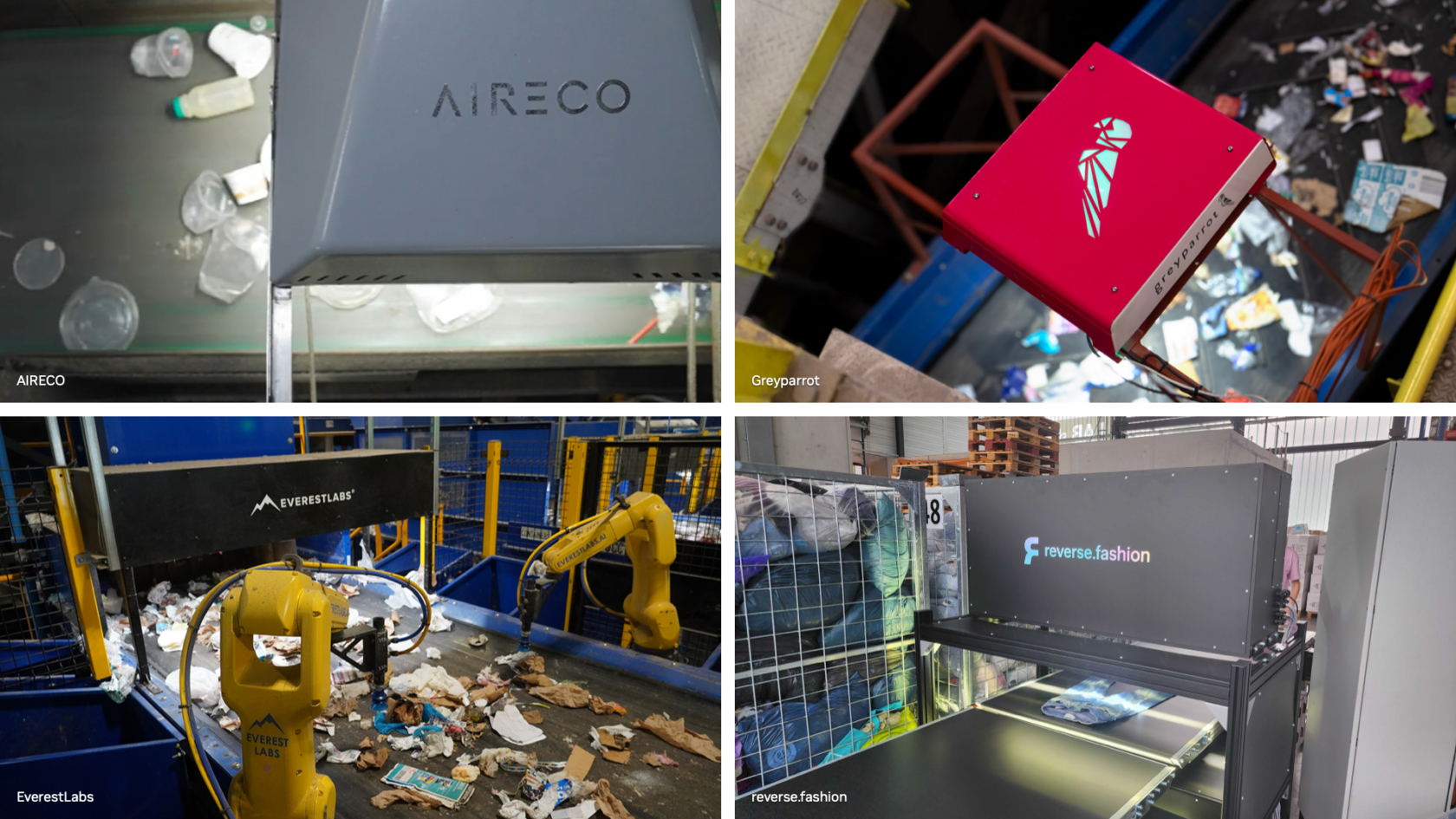
Vision AI on the sorting line is one of the least glamorous and most defensible uses of the technology, and the numbers these startups report are worth taking seriously, with caveats.
Why it matters
Recycling has a sorting problem more than a willpower problem. Nvidia's post, timed to COP31 in Türkiye, notes that less than 7% of the materials entering the global economy come from recycled or reused sources, while municipal waste already tops 2 billion tons a year and could nearly double by 2050.
The four startups profiled here, AIRECO, EverestLabs AI, Greyparrot and reverse.fashion, are all attacking the same bottleneck: knowing what is actually on a fast-moving belt and pulling the valuable stuff out before it is buried, burned or downcycled. If that works at scale, recycled material gets cheaper and cleaner, and that is what decides whether anyone buys it.
From the desk
We like this kind of story, and we want to say why plainly. This is AI doing a dull, dirty, hard-to-staff job that humans have been doing badly by necessity. Greyparrot says operators historically judged their waste streams by hand-sampling under 1% of what passed by. Its cameras now watch the whole belt, and it claims checking 15 tons of waste dropped from 375 hours to six. Facilities using that data report efficiency gains of 10% to 30%. That is the sort of measurable, physical payoff that much of the AI economy still can't show.
The pitch that persuades us most is AIRECO's. Its founder's argument is that finer sorting is what lets a bottle become a bottle again instead of a lower-grade product that can't be recycled further. That is the real economics of the circular economy: recycled plastic only gets used if it competes with virgin material on cost and quality. Its pilot line in Tainan reports recognition accuracy above 95%, and the company is aiming for a production line next year that nearly triples capacity from 18,000 to 48,000 tons while cutting operating costs by 85%.
Now the caveats, because we owe them. These are self-reported figures, published on a vendor's blog that exists partly to sell chips. AIRECO's capacity and cost targets are goals, not results. EverestLabs' estimate of roughly 25,000 tons recycled and about 30,000 metric tons of CO2 avoided is meaningful, but it is a company estimate, and avoided-emissions math is notoriously sensitive to assumptions. We'd want to see independent audits before treating any of these as settled.
There is also a labor story underneath the efficiency story. The post describes manual sorting as slow, costly and hard to staff, which is true. It is also a job, often a low-wage one, held by people with few alternatives. reverse.fashion says its system sorts in an hour what used to take a week. That is wonderful for the economics of textile reuse in Europe, which generates nearly 7 million tons of used textiles a year. It also means fewer hands on the line. We think automating dangerous, grueling sorting is a net good, but the transition deserves more than a footnote.
The last thing I'm watching is the data. Greyparrot's systems log material and brand, and big packaging names including Coca-Cola, Colgate-Palmolive and Kenvue already use it to see how their packaging is recycled in real plants. That could be the most valuable piece of all: hard evidence of which packaging actually gets recovered. Used honestly, it pressures brands to design for recycling. Used selectively, it becomes a greenwashing asset. Who gets to see that data will matter.
Context
All four companies are members of Nvidia's Inception startup program and run their vision models on Nvidia hardware, mostly Jetson modules or RTX GPUs at the edge with training in data centers or the cloud. Greyparrot says more than 300 of its Analyzer systems operate in over 20 countries; EverestLabs says about 150 of its robots are deployed across North America and Australia.
Who feels it
- Recycling operators
- Real-time belt data and robotic picking promise higher yields and less reliance on scarce manual labor, but the capital cost and integration work fall on facilities with thin margins.
- Consumer brands
- Brand-level detection on sorting lines gives packaging teams real evidence of what gets recovered, which could reward recyclable design or expose claims that don't hold up.
- Sorting workers
- The hardest, dirtiest jobs on the line are the first to be automated, and the post says little about what happens to the people doing them.
- Policymakers
- Better measurement of waste streams makes recycling targets and extended producer responsibility rules easier to enforce, if regulators can get access to the data.
What to watch
- Whether AIRECO's planned full production line actually hits its 48,000-ton capacity and 85% cost-reduction targets
- Independent verification of EverestLabs' recycling tonnage and avoided-emissions estimates
- How reverse.fashion's European rollout affects resale versus downcycling rates for collected textiles
- Whether COP31 zero-waste commitments push brands to share sorting-line data publicly