How Ultrafast cut incident investigation from hours to minutes at OpenAI
Oct 26, 2026, 12:00 AM · OpenAI
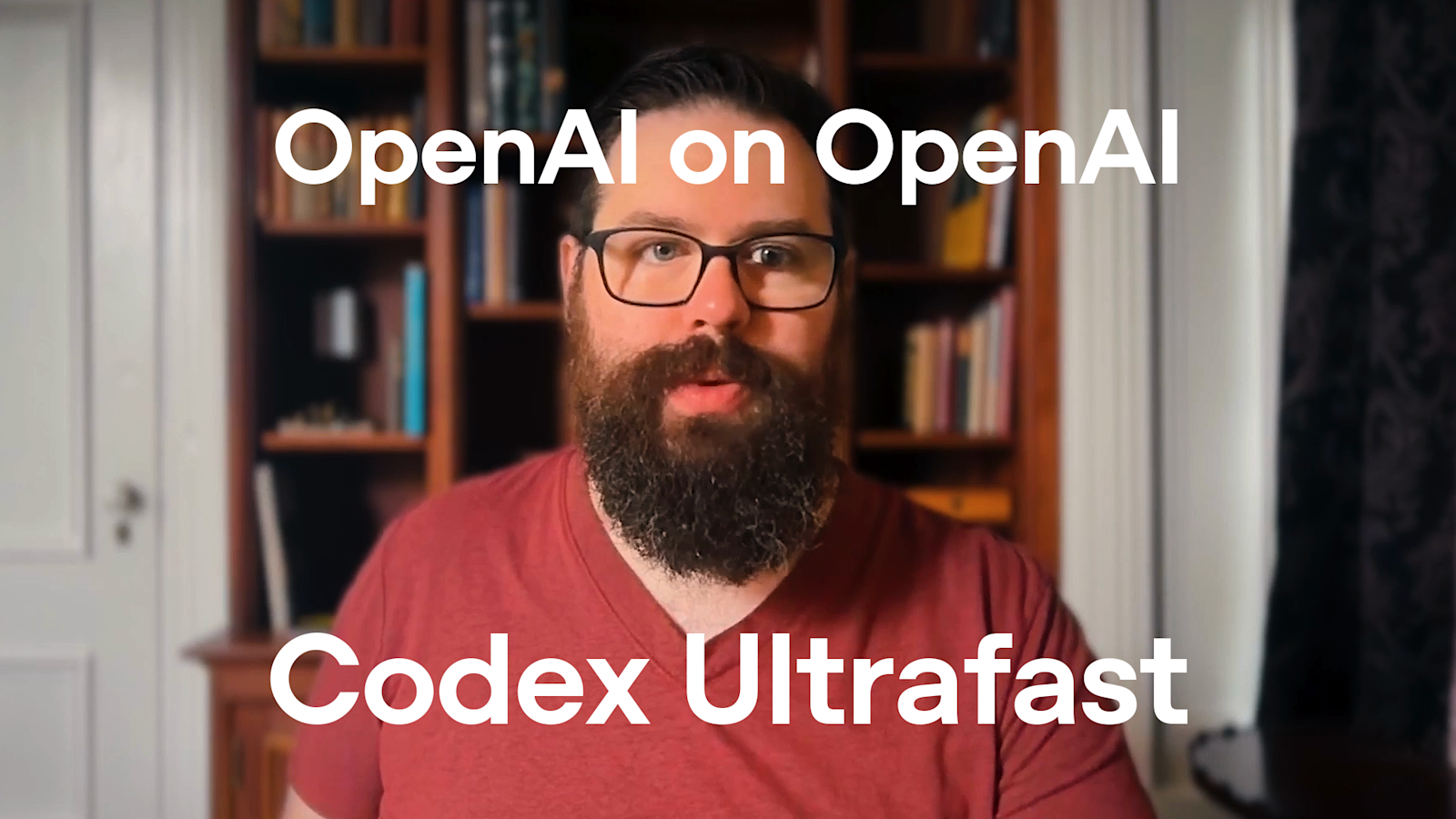
OpenAI says a faster Codex mode changed how its own engineers fight outages, and the real story is that speed changes what people are willing to hand to an agent.
Why it matters
OpenAI has published an internal case study on Ultrafast, a high-speed mode in Codex that it says has become the default for incident response among its engineers. Staff describe pointing Codex at a live incident, having it chase several possible causes at once across logs and Slack, and getting answers fast enough that they no longer split their attention.
One security architect says pulling together data for a security investigation used to take an hour or two and now takes 10 to 15 minutes, sometimes close to real time. That is the kind of gain that matters when a problem is compounding by the minute.
From the desk
We read this for what it is: OpenAI describing its own staff using its own product. There are no outside numbers here, just testimonials. Still, the underlying point rings true, and it is an important one. Latency is not a nice-to-have for AI tools. When an answer takes minutes, people double-check by hand or drift to another task. When it takes seconds, they stay in the loop and actually delegate. One engineer says that if an answer takes more than 30 seconds he goes and asks a coworker instead, and that most of his work now comes in under that line.
Incident response is a good fit for this. The job is mostly searching many haystacks at once, and an agent that can do that in parallel while a human steers is a sensible division of labor. We would rather see AI helping on-call engineers get to root cause faster than see it pointed at more engagement features.
But there is a downside we should name. The same piece describes Codex digging through internal Slack, clicking through browsers to fill out forms, and running as a personal chief of staff that reads meetings and unanswered messages. That is a lot of access concentrated in one agent, and in a security incident the agent is itself part of the attack surface. Speed also cuts the time a human spends checking the work. During an outage, a confident wrong answer delivered in ten seconds can send a team down the wrong path faster than ever.
There is also a cultural shift buried in one quote: code is now cheap. Easier refactors and paying down technical debt are good news. The risk, if this scales across the industry, is a lot more code changing a lot more often, with review struggling to keep pace.
I'm watching whether teams outside OpenAI see the same results, and how they handle permissions and audit trails for agents that sit inside their incident channels.
Context
This is part of an OpenAI series sharing internal examples of how the company uses its own technology. Ultrafast is described as a high-speed mode within Codex, OpenAI's coding agent.
Who feels it
- Site reliability and security teams
- Faster parallel investigation could shorten outages, but agents with broad log and chat access need tight permissions and clear audit trails.
- Developers
- Lower latency makes delegation practical for small tasks and large refactors alike, which raises the bar for code review.
- Enterprises
- The case for paying for speed tiers gets stronger when the use case is downtime, where minutes have a direct cost.
What to watch
- Independent customer reports on incident-response time with fast agent modes
- Pricing and availability of Ultrafast for teams outside OpenAI
- Security guidance on what data and tools incident-response agents should be allowed to touch
- Signs of review bottlenecks as refactoring becomes cheap
Companies: OpenAI