How XPUs Meet a World-Class AI Factory
Aug 24, 2026, 8:00 AM · NVIDIA Blog
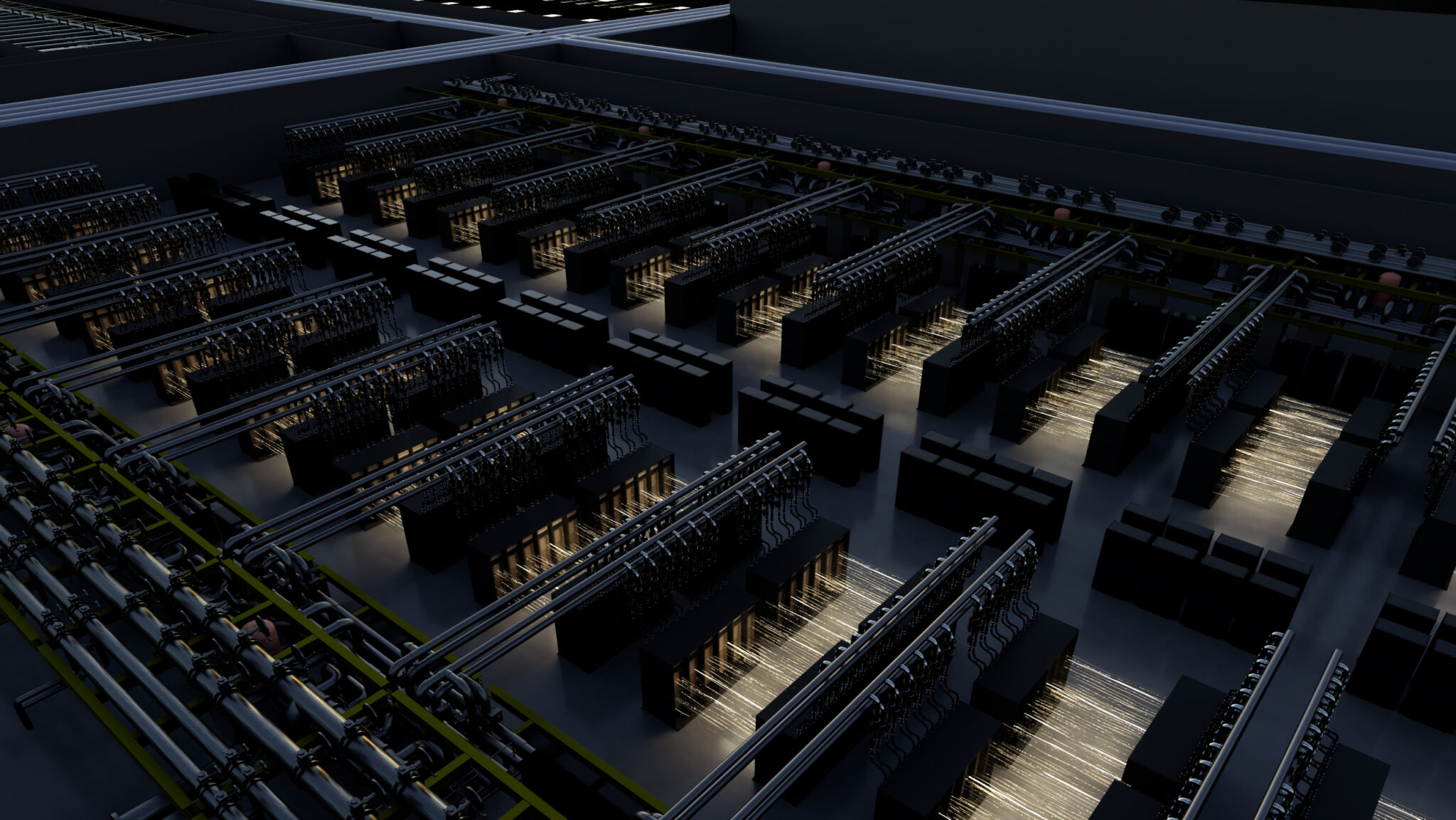
NVLink Fusion is less about custom silicon than letting custom silicon inherit a mature rack, network, cooling and software envelope.
Why it matters
NVIDIA says XPU builders must solve networking, rack design, power, cooling, security, storage and suppliers alongside the chip. NVLink Fusion connects XPUs to NVIDIA infrastructure and lets GPU- and XPU-based systems share footprints and management.
The post cites sixth-generation NVLink across a 72-XPU domain, claimed three-times lower transfer latency and ten-times higher packet rate than off-the-shelf Ethernet, plus NVLink-C2C and MGX designs.
From the desk
This is NVIDIA’s own product blog, so performance claims and partner endorsements are vendor-reported. The durable point is schedule risk: facility design starts before accelerator availability.
Signal Desk's read: NVLink Fusion is a platform lock-in strategy presented as flexibility. It gives chip designers room at the XPU while making the surrounding factory increasingly NVIDIA-shaped.
That can be rational for teams valuing time-to-market, but shared resources must prove they permit real reconfiguration rather than simply expanding NVIDIA’s component footprint.
Context
The article frames factories around output, utilization, uptime and token cost. Adopters may optionally use Rubin GPUs, Vera CPUs, ConnectX, BlueField and Mission Control.
Who feels it
- Custom-chip teams
- Less infrastructure reinvention can shorten deployment.
- Hyperscalers
- Shared rack plans preserve optionality.
- Procurement
- Supplier breadth does not remove interface dependence.
What to watch
- Third-party XPUs in production racks
- Reprovisioning without downtime
- Evidence from mixed GPU/XPU workloads