OpenAI stuck fighting Musk antitrust suit after Apple finds a way out
Sep 14, 2026, 12:45 PM · Ars Technica
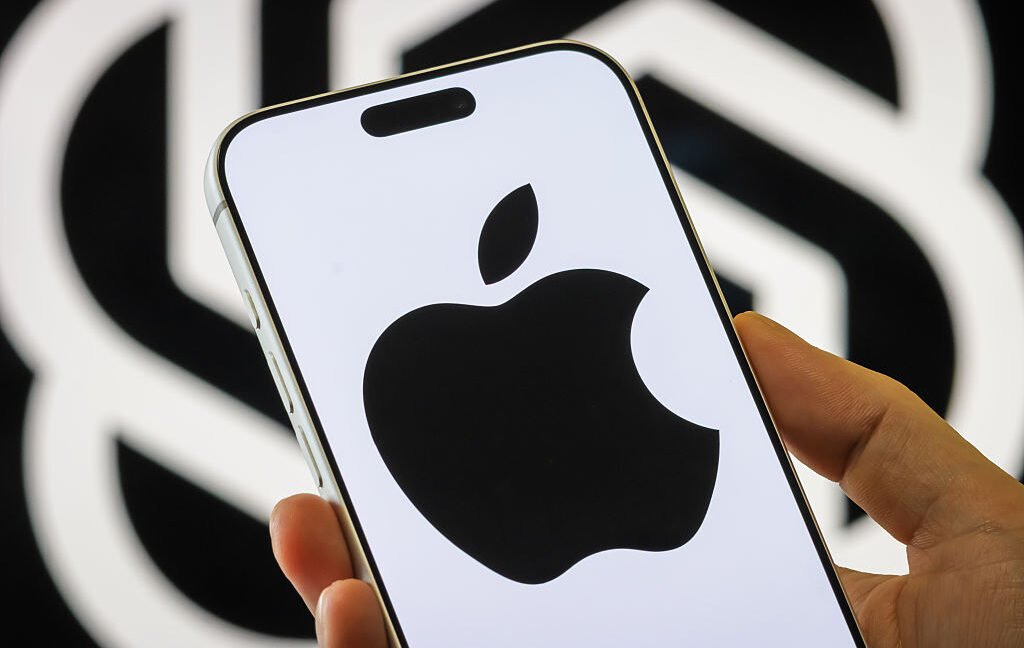
Musk dismissed Apple from his antitrust case with prejudice — and kept the same monopoly claims aimed at OpenAI as the fight heads toward trial.
Why it matters
Elon Musk confirmed in a Monday court filing that he resolved all claims against Apple over the ChatGPT integration on iPhone. He agreed never to raise those claims against Apple again, while refusing to drop them against OpenAI.
The suit argued the partnership helped monopolize Apple users’ AI prompts and harmed smartphone and chatbot competition. Apple had stressed the deal was never exclusive. OpenAI calls the case harassment as SpaceXAI races to catch up.
We’re watching a narrowed fight: Apple exits, discovery from Apple may still arm Musk, and OpenAI goes to trial this fall alone on the chatbot-market theory.
From the desk
We’re not surprised Musk blinked on Apple. Suing a phone maker when you do not ship phones was always the awkward leg of this case. Keeping OpenAI in the crosshairs fits the longer feud — including the earlier mission lawsuit Musk lost when a jury found he waited too long to sue.
The filing’s silence on settlement terms is its own signal. What we do know: this summer a court ordered Apple to hand over internal messages about the OpenAI deal. That evidence may matter more than the Apple defendant ever did — especially after OpenAI mocked Musk’s foreclosure math as a 0-to-55 percent “back-of-the-envelope” range.
OpenAI’s second narrative is worth tracking too. In May it said it felt burned by an integration it hoped could generate billions in subscriptions, arguing Apple made ChatGPT features hard to discover. That is a strange antitrust subplot: the alleged monopolist complaining the distributor under-promoted the product.
Competition in assistants is healthy when users can switch. Weaponized litigation that freezes partnerships is the downside if this style of suit becomes normal. I’m watching how much of Apple’s discovery shows up at trial and whether the court treats non-exclusive OS integrations as foreclosure or ordinary distribution.
Context
Musk first attacked the 2024 Apple–OpenAI partnership as “creepy spyware,” then sued the next year. He also claimed Apple made it impossible for any AI company besides OpenAI to reach No. 1 in the App Store. OpenAI’s rival lab is now referred to as SpaceXAI in the coverage.
Who feels it
- OpenAI
- Alone as defendant, it must defeat monopoly claims without Apple sharing the defense table.
- Platform partners
- Non-exclusive assistant deals remain under antitrust scrutiny even after Apple’s exit.
- Rival labs
- Discovery from major OS partners could become a template for competitive litigation.
What to watch
- Trial this fall and how Apple internal messages are used.
- Whether any Apple–Musk settlement terms surface later.
- OpenAI’s posture on renegotiating or litigating the Apple distribution relationship.
Companies: OpenAI