AI · Oct 13, 2026
An OpenAI Employee Allegedly Used a Chatbot to Help Plant a Recording Device at the OfficeRecording device hidden in toilet paper found in top-secret OpenAI meeting room
Oct 14, 2026, 9:41 AM · Ars Technica
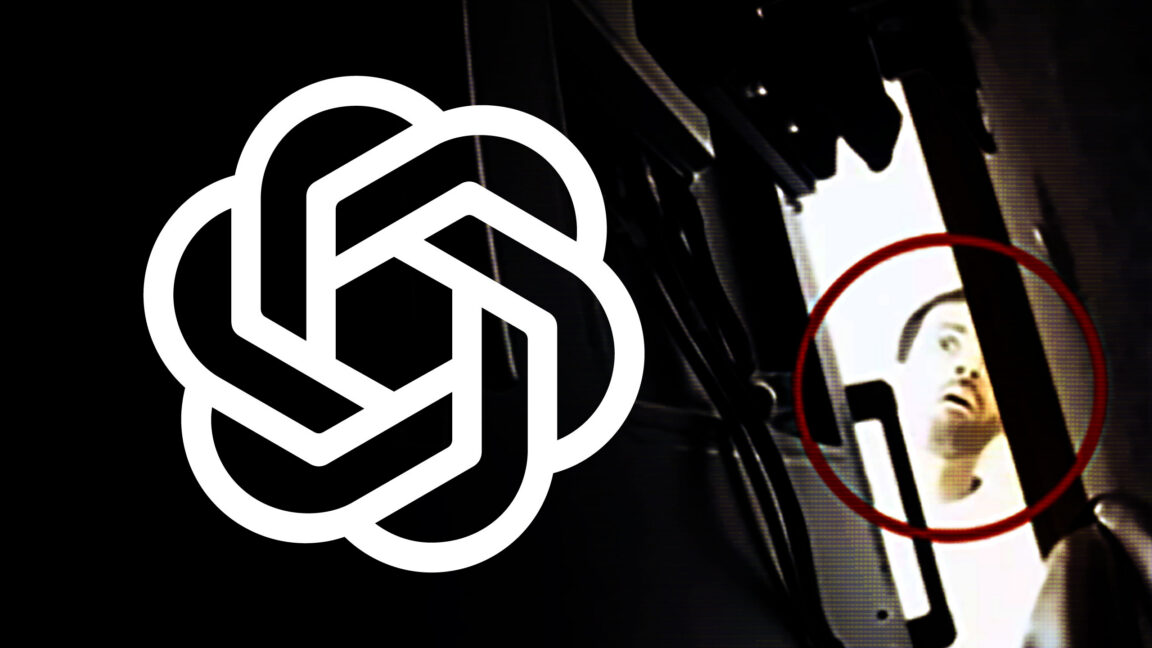
The FBI says an OpenAI engineer hid an encrypted recorder in an executive meeting room and used AI tools to plan it — a vivid sign that frontier labs are now espionage targets.
Why it matters
The FBI arrested Abdulrahman Alfozan, a 35-year-old OpenAI engineer, alleging he planted a USB recording device wrapped in toilet paper behind the TV in a restricted executive conference room where leadership discussed technical progress, government engagements and partnerships. OpenAI found the device on Sept. 30, about two days after it was likely planted, and found its contents encrypted. A camera installed Oct. 5 allegedly captured him trying to retrieve it.
According to an FBI affidavit, he used an OpenAI productivity agent to find when sensitive meetings were held, and a chatbot account tied to his spouse showed prompts about continuous and speech-triggered recording and SD-card encryption. A second device was found in a bag he reported lost. He faces up to five years and a $250,000 fine on unlawful-recording charges; it remains unclear who the recordings were for. He is presumed innocent.
From the desk
Strip away the absurd toilet-paper detail and this is a serious story. The rooms where AI labs discuss model progress and government work are now worth bugging. That tells you how much value — commercial and strategic — sits in those conversations.
The AI angle is darkly instructive. If the affidavit is right, an internal productivity agent helpfully answered where and when sensitive meetings happen, and a consumer chatbot coached the build. Those tools did exactly what they were designed to do. That's the problem: helpful assistants with broad access are also excellent reconnaissance tools for insiders.
We'd give OpenAI some credit for how it responded — quietly cutting access and working with investigators rather than tipping off the suspect. But two days to notice a device in its most sensitive room, and a camera added only after, suggests physical security hadn't kept pace with the stakes.
We'd also be careful with the national-security framing coming from officials. The charges so far are about unlawful recording; the FBI release talks about spying risks, and who the recordings were meant for hasn't been established. Court filings, not press releases, should settle that.
Where this leads: frontier labs start to look like defense contractors, with clearances, sweeps and monitored internal tools. Some of that is necessary. The risk is a security culture that treats every foreign-born employee as a suspect. Labs need to tighten controls without turning that into suspicion by nationality.
Context
The arrest comes amid a Trump administration push to protect U.S. AI leadership, which FBI Director Kash Patel cited in announcing the case.
Who feels it
- Frontier AI labs
- Pressure to upgrade physical security and restrict what internal agents reveal about schedules and meetings.
- AI employees
- Likely tighter access controls, monitoring and clearance-style policies.
- Enterprise AI buyers
- A case study in how broad-access internal assistants can aid insider threats.
What to watch
- Whether prosecutors identify an intended recipient or add charges
- Contents of the encrypted recordings if recovered
- Security policy changes at OpenAI and peer labs
- Limits on what internal productivity agents can surface
Companies: OpenAI