Recreating a 70-year love story frame by frame
Sep 9, 2026, 9:00 AM · Google AI Blog
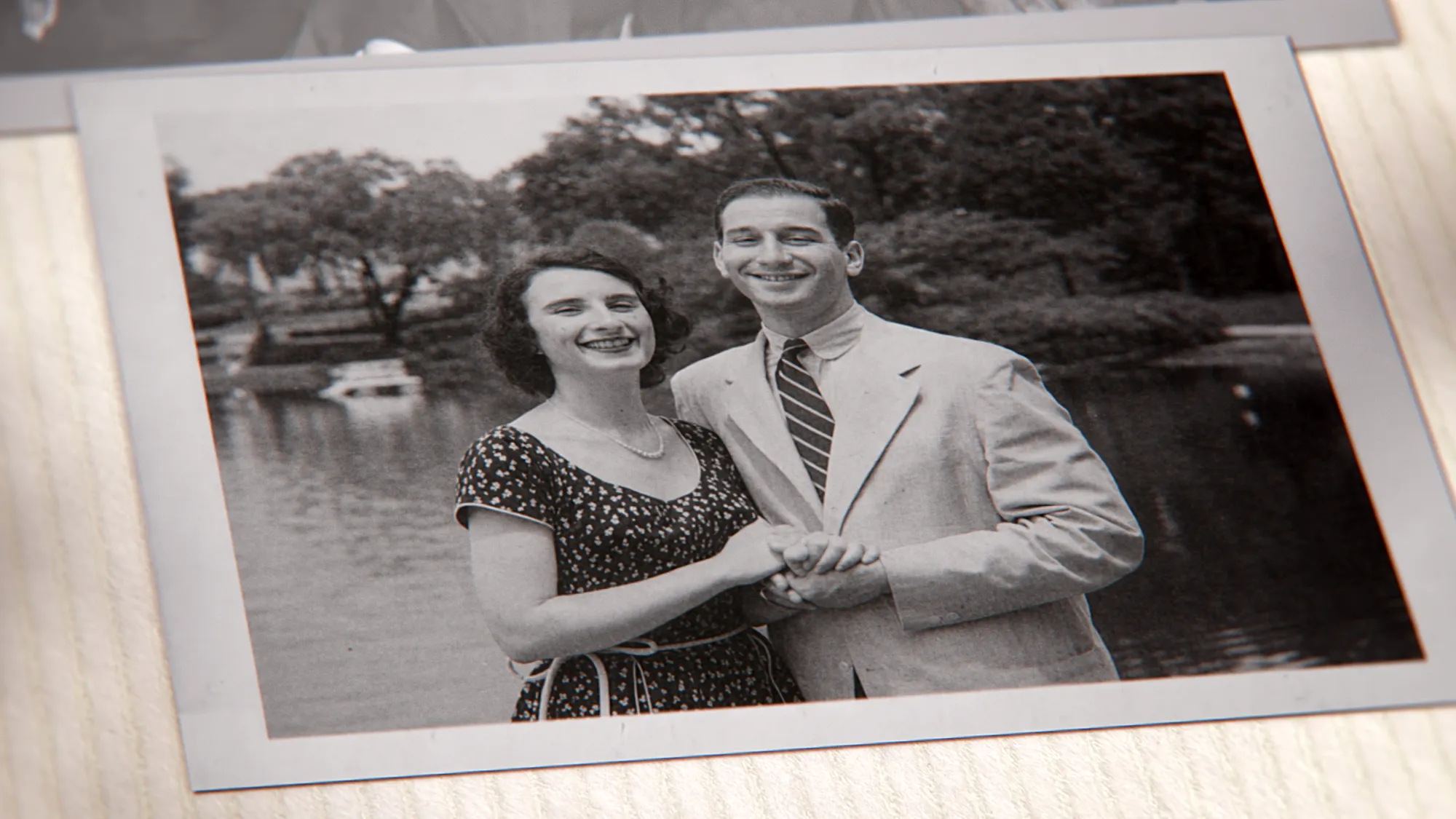
Google DeepMind's "Love, Rendered" turns generative image and performance models into a memory aid for a 70-year marriage—beautiful when guided by the couple, uneasy when the product pitch arrives.
Why it matters
Google DeepMind engineer Michael Chang describes "Love, Rendered," a documentary short that uses AI to recreate Burt and Ethelle Shatz's unrecorded first meeting after more than 70 years of marriage, as Burt faces cognitive decline. The film is directed by Liz Garbus and produced with Dan Cogan and Darren Aronofsky through Primordial Soup, Aronofsky's creative venture, in collaboration with DeepMind.
Technically, the team restored youthful photos with generative models, then mapped the couple's present-day mannerisms—head tilt, speech hesitation, eye crinkle—onto younger likenesses via performance capture. Ethelle sat with the engineers as a co-creator, correcting details like a staircase curve or shoe heel.
The post closes by pointing readers to restore and colorize family photos in the Gemini app. That is the stakes in one frame: intimate reminiscence therapy tooling, then a consumer funnel.
From the desk
We're inclined to take this project on its own terms first. Reminiscence therapy already uses songs, stories, and photos to rekindle connection; the filmmakers asked what happens when a precious memory has no cue at all. Mapping living mannerisms onto restored youthful images is a thoughtful answer, and Ethelle's corrections matter—the couple told the team the generated "memory" felt authentic. That is useful AI earning advocacy: technology as a paintbrush under human direction, not a replacement for testimony.
I'm also watching the soft edges. The film generates a scene that never existed on camera. For Burt and Ethelle, with consent and guidance, that can be healing. Scale the same pipeline to grieving families, inheritance disputes, or marketing "lost moments," and you get synthetic nostalgia that can overwrite uncertainty. Chang's personal motivation—his grandfather's memory loss—is honest; it does not dissolve the deeper risk that AI-rendered pasts start to feel more real than fragmentary recall.
The production pedigree (Garbus, Aronofsky's Primordial Soup, DeepMind) frames this as craft, not a chatbot stunt. Darren's line that a tool does nothing until guided by human hands is the right ethic. Our worry is the last section of the blog: upload a photo to Gemini and ask it to restore and colorize while preserving appearance. That productization is fine for scratched portraits. It is a different moral category from inventing an unrecorded meeting day. Keep the distinction loud.
If this becomes normal, expect more documentary and clinical experiments—and pressure on platforms to label fully synthetic memory reconstructions, not just "enhanced" photos. The upside is real connection. The downside is a market for fabricated intimacy that outruns the people who can still say what actually happened.
Context
Garbus's earlier work on "Coma" and Aronofsky's encounter with an Alzheimer's patient responding to "Swan Lake" helped push the creative team toward reminiscence therapy as the film's conceptual spine.
Who feels it
- Families dealing with memory loss
- Guided reconstructions may support connection when done with the person present; they should not replace clinical care or become the only archive of a life.
- Filmmakers and documentary ethics boards
- Synthetic "memories" need clear disclosure on screen; audience trust depends on knowing what was recalled versus generated.
- Consumer AI users
- Gemini photo restore is a milder cousin; inventing unrecorded events is a steeper step that deserves more friction than a prompt template.
What to watch
- How "Love, Rendered" is labeled and distributed when audiences can watch the full short.
- Whether DeepMind or Primordial Soup publish more technical detail on the performance-capture and restoration stack.
- Any clinical or advocacy pushback on AI-generated reminiscence as a product category.
Companies: Google