Small AI models let drones autonomously identify and attack battlefield targets
Sep 17, 2026, 3:12 PM · Ars Technica
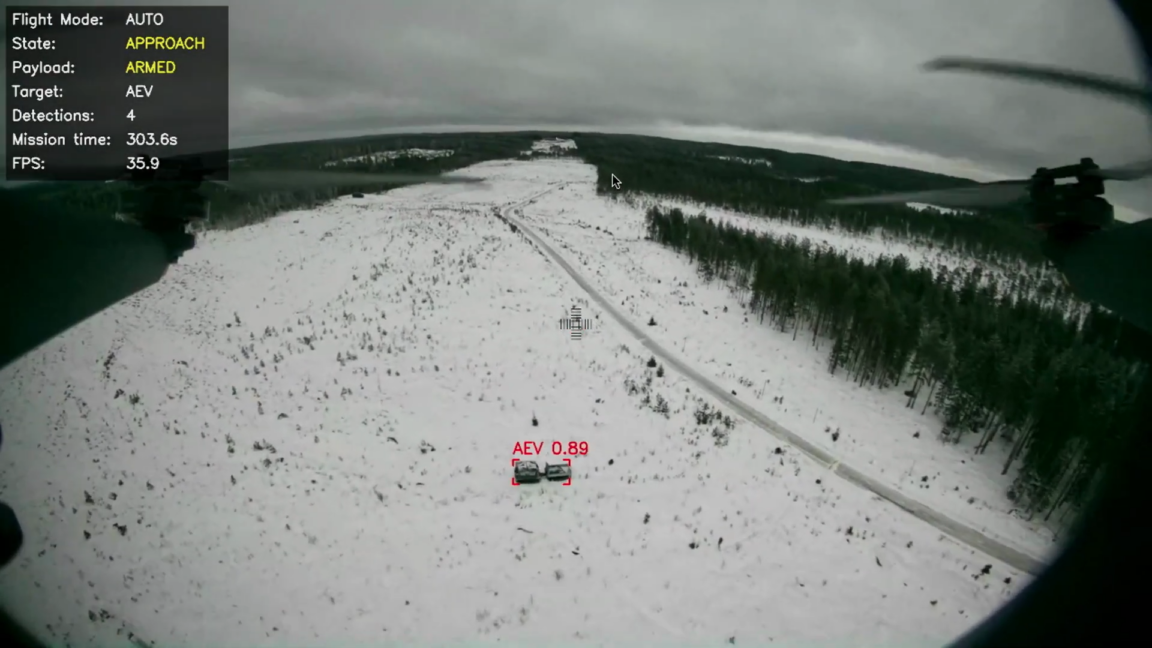
NATO DIANA–backed Scaleout Systems runs lean vision models on drones and forward bases—federated learning without raw-data uplink—and demoed ALMA kamikaze drones that detect, prioritize, and strike with onboard AI under BAE Systems Bofors.
Why it matters
This isn’t frontier chatbots. It’s small models on edge hardware identifying and engaging targets when jamming kills the link to a cloud brain.
Scaleout, out of Uppsala University research, pivoted after Russia’s full-scale invasion of Ukraine. NATO’s DIANA program backed Federated Aerial Intelligence for Recon; ALMA with BAE Systems Bofors showed a drone geolocate threats, pick a high-value armored engineering vehicle, and drop ordnance with a human still able to intervene but not required for the attack run.
Useful for contested battlefields. Terrifying if autonomy norms stay fuzzy while the capability spreads across alliances.
From the desk
We’re covering this as the wartime edge-AI story the pause debate often skips.
Hellander’s pitch is operational: models trained in deserts fail in cities; federated updates from platoon nodes let versions improve in a day without shipping raw sensor feeds. Demos include Swedish public surveillance/recon concepts, Winter Demo 2026 ALMA loitering munitions, and an Uppsala air-base test where a forward node kept learning after losing the lab link, then synced when restored. Ukrainian kamikaze drones already carry onboard AI for similar reasons—jamming and destroyed data centers.
Useful AI here means lives saved on the defender’s side and less dependence on fragile central clouds. The harm if “human can still control” becomes a checkbox while the default path is autonomous detect-identify-strike: accountability evaporates mid-engagement. Cross-NATO model collaboration Hellander sketches amplifies both. I’m watching formal rules of engagement for onboard target prioritization—and whether DIANA projects publish meaningful human-control requirements, not only demos.
Context
Ars Technica, September 17, 2026. Scaleout Systems selected for NATO DIANA Challenge Program in 2025; ALMA led by BAE Systems Bofors.
Who feels it
- Military operators
- Edge models that keep working under jamming change recon and loitering-munition tactics immediately.
- Alliance policymakers
- Federated learning across NATO members raises data-sharing, ROE, and proliferation questions.
- AI ethics and arms-control voices
- Concrete autonomous strike demos harden the case for clearer limits on target selection without a human in the loop.
What to watch
- ALMA or peer systems moving from demo to procurement.
- Published human-control requirements tied to DIANA-backed projects.
- Evidence of similar edge-attack stacks spreading beyond the current partners.