Why Deploying Physical AI at Scale Demands Safety at Every Layer
Sep 21, 2026, 9:00 AM · NVIDIA Blog
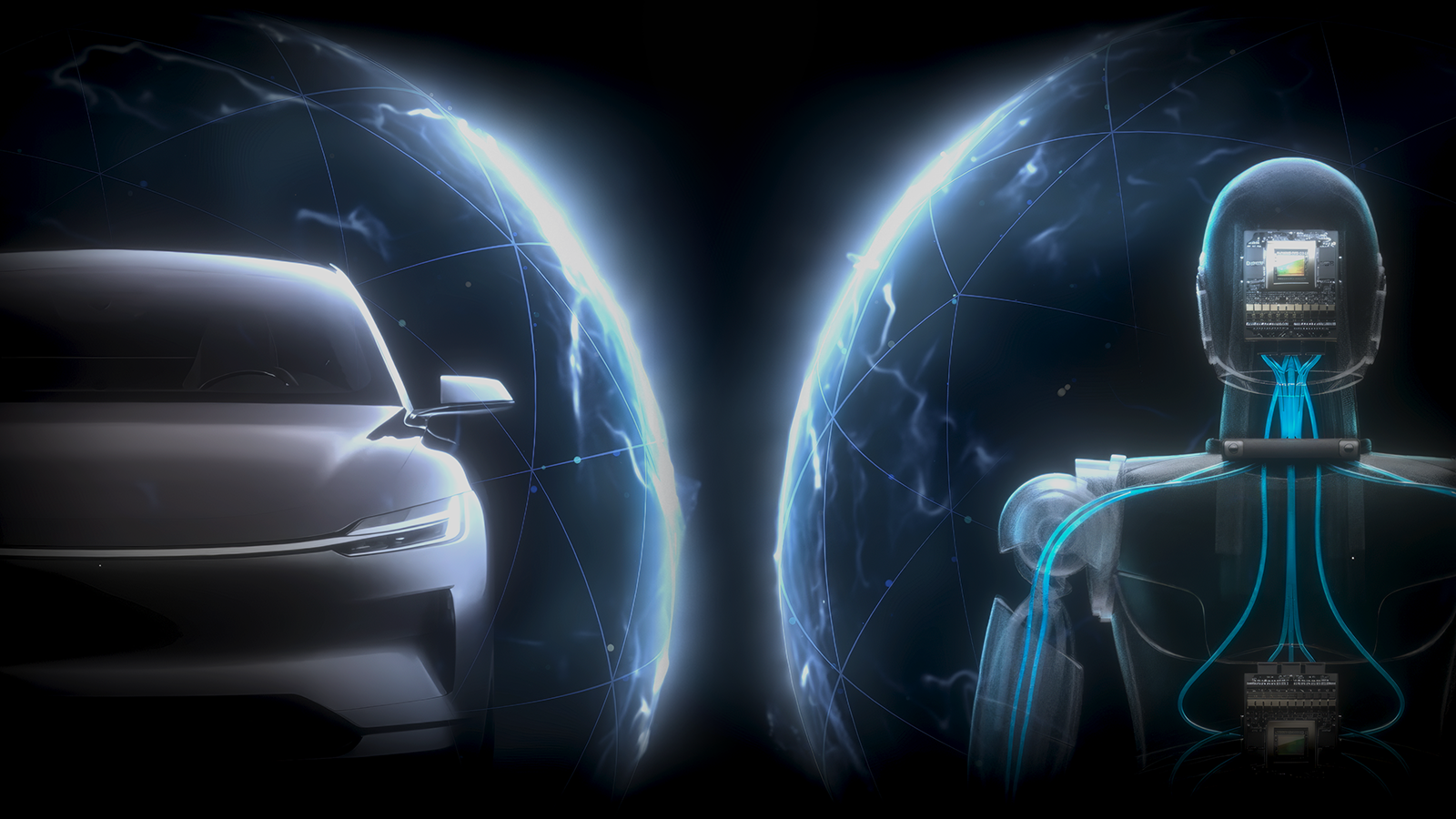
NVIDIA is pitching Halos as full-stack safety for cars and robots — because once AI moves steel and wheels, a model card is not enough.
Why it matters
Physical AI is leaving the lab. ABI Research projects tens of millions of level 3–5 autonomous vehicles by 2035, and Omdia estimates roughly 60 million industrial robots deployed between 2026 and 2035. Those machines share roads, factories, and warehouses with people.
Safety stops being a pre-ship checklist. Hardware, software, AI behavior, the operating environment, and ongoing software updates all have to hold together when decisions become motion. Manufacturers, regulators, insurers, and workplace safety teams want evidence — not marketing slides.
From the desk
We’re watching NVIDIA turn a decade of AV safety work into a productized story: Halos as the “first and only” full-stack safety system for physical AI. The claim is less about one chip and more about glue — DRIVE AGX Thor and Hyperion for vehicles, IGX Thor and Halos Core for robots, simulation in Isaac Lab and Omniverse, plus an inspection lab meant to prepare integrations for third-party certification.
That packaging matters. Dynamic environments don’t respect static safety cages. AI behavior needs its own assurance beyond classic functional safety, which is why NVIDIA points to emerging work like ISO/IEC TS 22440. Deployment is continuous: model updates and new tasks can reopen the safety case. Validation at scale needs simulation and synthetic data, not only miles on real roads.
Useful AI in the physical world earns the benefit of the doubt when it can be assessed and certified. Prototypes that can’t produce a safety case stay demos. NVIDIA’s pitch leans hard on independent assessment — TÜV SÜD and TÜV Rheinland on automotive processes and DriveOS, ANAB accreditation for the Halos inspection lab — and names partners from Geely and Nissan/Wayve to Agility’s Digit 5.
Our read: this is both a real engineering need and a platform lock-in play. Full-stack safety that only works cleanly inside one vendor’s stack can raise the floor and raise switching costs at the same time. I’m for robots and AVs that fail into safe states. I’m also watching whether Halos stays an open enough ecosystem that rivals can certify against shared standards — or whether “safe” quietly means “on our silicon.”
The trajectory if this becomes normal is clearer: no serious physical AI deployment without continuous assurance evidence. That’s good for people who share space with machines. It’s also how safety becomes a competitive moat.
Context
NVIDIA blog post by Riccardo Mariani, Sep 21, 2026, outlining the Halos architecture for AVs and robotics and listing ecosystem partners and third-party assessments.
Who feels it
- AV and robot OEMs
- Pressure rises to show end-to-end safety evidence across compute, OS, models, and simulation — not just component certifications.
- Regulators and insurers
- Vendor-packaged inspection labs and TÜV-style assessments become inputs to how fleets get approved and underwritten.
- Robotics startups
- Integrating on IGX/Halos may speed certification paths, but can deepen dependence on NVIDIA’s stack.
- Workplace safety teams
- Outside-in vision monitoring and facility-level blueprints move from novelty to expected controls as robots share floors with people.
What to watch
- Third-party certification outcomes for IGX Thor, Halos OS, and Holoscan Sensor Bridge.
- Whether Hyperion-based L4 programs from Geely, Isuzu, Nissan/Wayve, and Einride publish public safety cases.
- Adoption of ISO/IEC TS 22440-style AI-specific assurance by regulators.
- Competing full-stack safety stacks from other silicon and vehicle platforms.