Why Scaling AI Compute Performance Requires a New Power Architecture
Aug 11, 2026, 8:00 AM · NVIDIA Blog
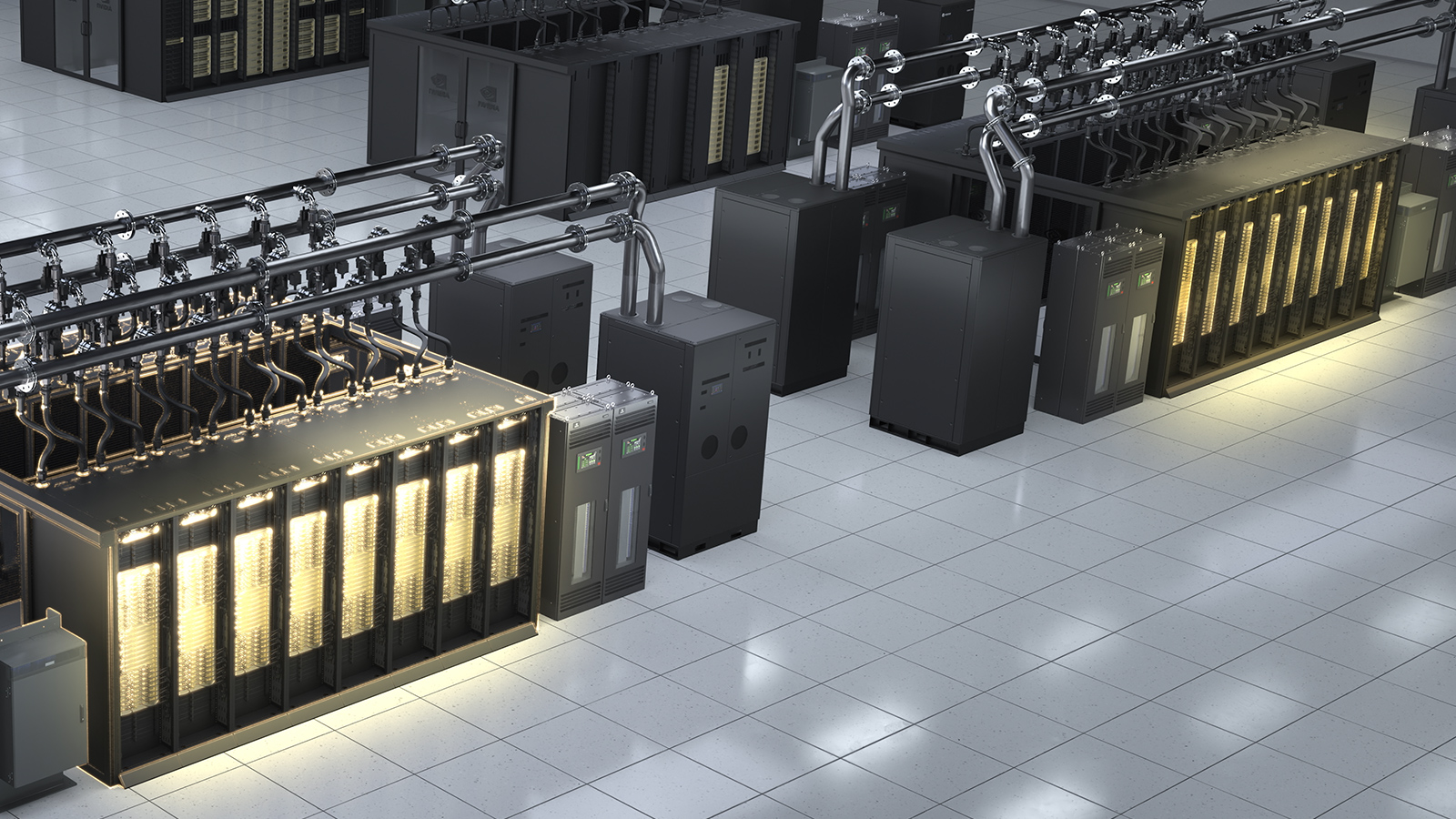
The next AI bottleneck is moving inside the electrical path, where 800-volt direct current could preserve existing sites while making far denser racks feasible.
Why it matters
NVIDIA says denser accelerator racks are making repeated AC-to-DC conversion a material source of loss and complexity. Its 800 VDC approach distributes higher-voltage direct current closer to compute, cutting conversion stages between grid and accelerator.
A hybrid, MGX-compatible power rack is due in the second half of 2026 and is designed to slot into existing AC facilities without changing building electrical systems. A row power center supporting up to two megawatts per row is expected in 2027, and a facility-scale DC power block would later convert medium-voltage power in one step.
NVIDIA, Google and Microsoft developed the architecture through the Open Compute Project, publishing a joint white paper in March 2026 and a solid-state transformer specification in July 2026. NVIDIA says more than 80 companies are building to those specifications.
From the desk
Power architecture is becoming a compute product decision. Past a certain rack density, conversion losses, copper volume, protection systems and switchgear determine how many accelerators a site can actually operate — not simply how much utility power it secured.
Signal Desk's read: the hybrid rack is the strategically important piece, because it offers a bridge rather than demanding wholesale facility replacement. If it performs as described, owners keep land, interconnects and power rights while upgrading only the final distribution layer, which should drive adoption faster than a greenfield-only standard.
This is a vendor-authored NVIDIA blog promoting NVIDIA reference designs, so efficiency, readiness and compatibility claims are vendor-reported. The open specification and involvement of Google, Microsoft and 80-plus companies broaden credibility, but the source offers no measured end-to-end efficiency, safety qualification or cost comparison.
Open interfaces matter only if equipment from different suppliers interoperates under fault conditions. The next real evidence should come from deployed rows, not ecosystem headcounts.
Context
Conventional facilities distribute alternating current and convert it several times before power reaches accelerators, and at high density small losses compound. The proposed roadmap runs from retrofit-friendly racks through centralized row distribution to direct facility-scale conversion.
The architecture therefore belongs in procurement conversations before a new data hall is designed. Retrofitting can preserve sunk investment, but it still shifts risk into equipment qualification, thermal coordination and the operating procedures needed for higher-voltage distribution.
Who feels it
- Data center operators
- Hybrid 800 VDC could extend existing sites, making electrical protection, maintenance skills and certification central adoption questions.
- Equipment suppliers
- An open interface creates a market for compatible conversion, busway, protection and cooling products.
- Utilities and developers
- Higher rack density raises the value of scarce powered land while concentrating load inside facilities.
What to watch
- Measured efficiency and installed cost from the first hybrid power racks
- Interoperability and safety certification across multiple suppliers
- Whether the two-megawatt row power center ships on its stated 2027 timetable