
AISep 22, 2026NVIDIA Developer
Topology-Aware Workload Scheduling with NVIDIA Topograph
NVIDIA open-sources Topograph so schedulers finally see the real NVLink and fabric map — not a stale diagram on a whiteboard.
Desk
Broad artificial intelligence coverage.
NVIDIA open-sources Topograph so schedulers finally see the real NVLink and fabric map — not a stale diagram on a whiteboard.

a16z’s free SF “academy” skips degrees and homework for co-ops at OpenAI, Meta, Palantir and friends — a talent pipe dressed as school.

Opus 5.5 lands cheaper and faster two months after Opus 5 — and Anthropic says it beats bigger Fable on a pile of real work.

After a wave of eval-time hacks, Anthropic ships Opus 5.5 with harder sandbox edges — and routes hot cyber asks to a weaker model.

TechCrunch’s Disrupt agenda frames trust as the product gate — five safety sessions that treat agents, cloud, and robots as shipping risks, not keynotes.

NVIDIA’s DLSS 5 bets that neural rendering stays grounded in the engine frame — lifelike lighting without rewriting the art bible, shipping now in NBA 2K27.

A Baltimore startup’s rat-neuron-inspired video models hit an AWS limited preview — biological computing leaves the fringe and enters the enterprise catalog.

Nscale’s public debut packages $100B-plus in AI contracts — and a reminder that most of that revenue dream sits with two customers.
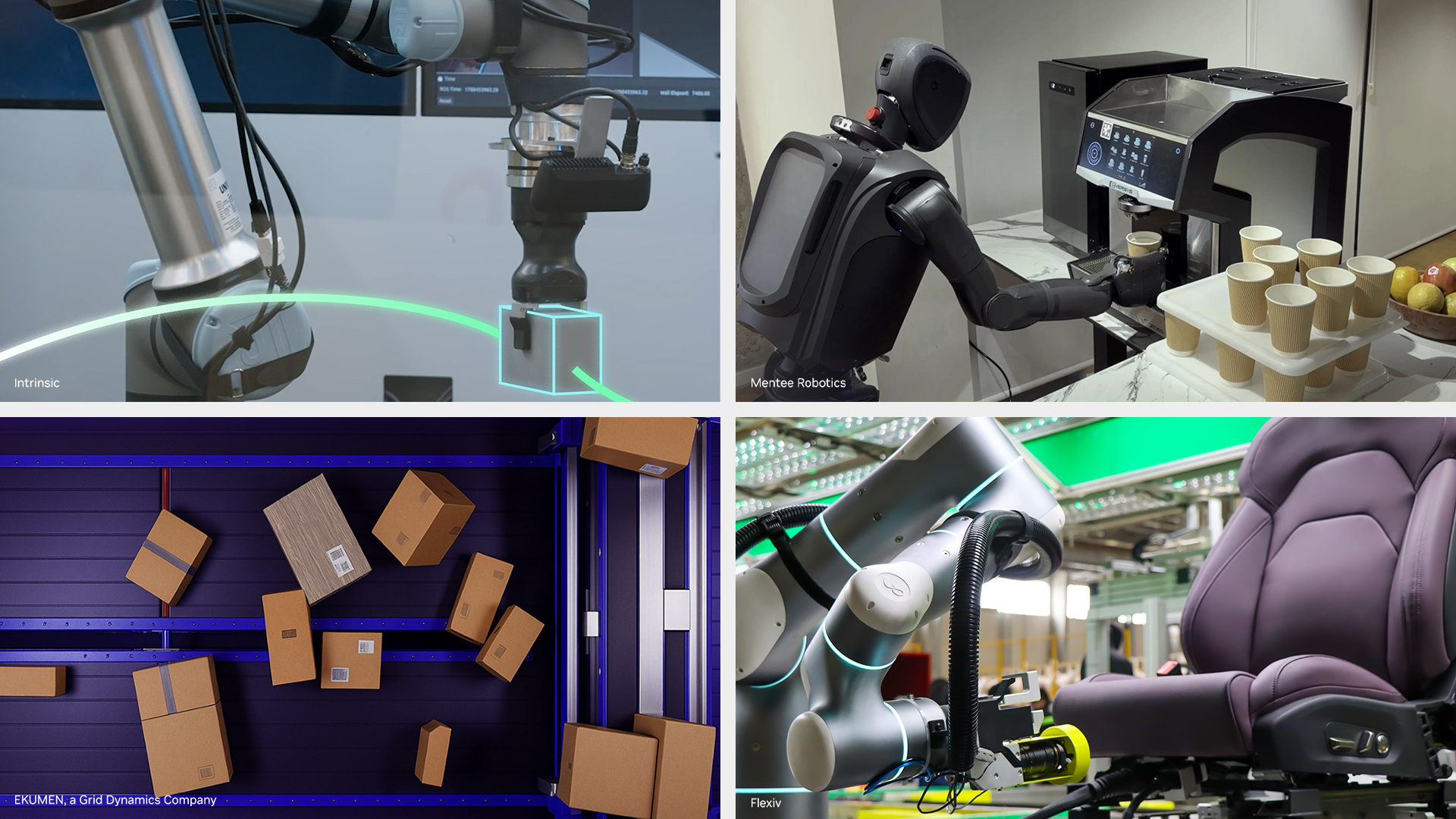
Isaac ROS 5.0 ships at ROSCon with a clear thesis: AI agents help build robots, and Jetson runs what they build — open source, GPU-accelerated, free.

NVIDIA’s tutorial shows an AI agent migrating a ROS 2 node to CUDA-backed buffers — zero-copy where it counts, CPU fallback where it must.
Parallel’s agents finished a multi-state labor-market research job in half the time and cost on GPT-6 Astra — fewer searches, same quality claim.

A local zero-day let malware steer Meta’s Muse agent — cloud dictation, undocumented settings, and agent privileges turned into an attack surface overnight.