NVIDIA Vera Rubin NVL72 Delivers Leading Performance in MLPerf Inference v6.1 Debut
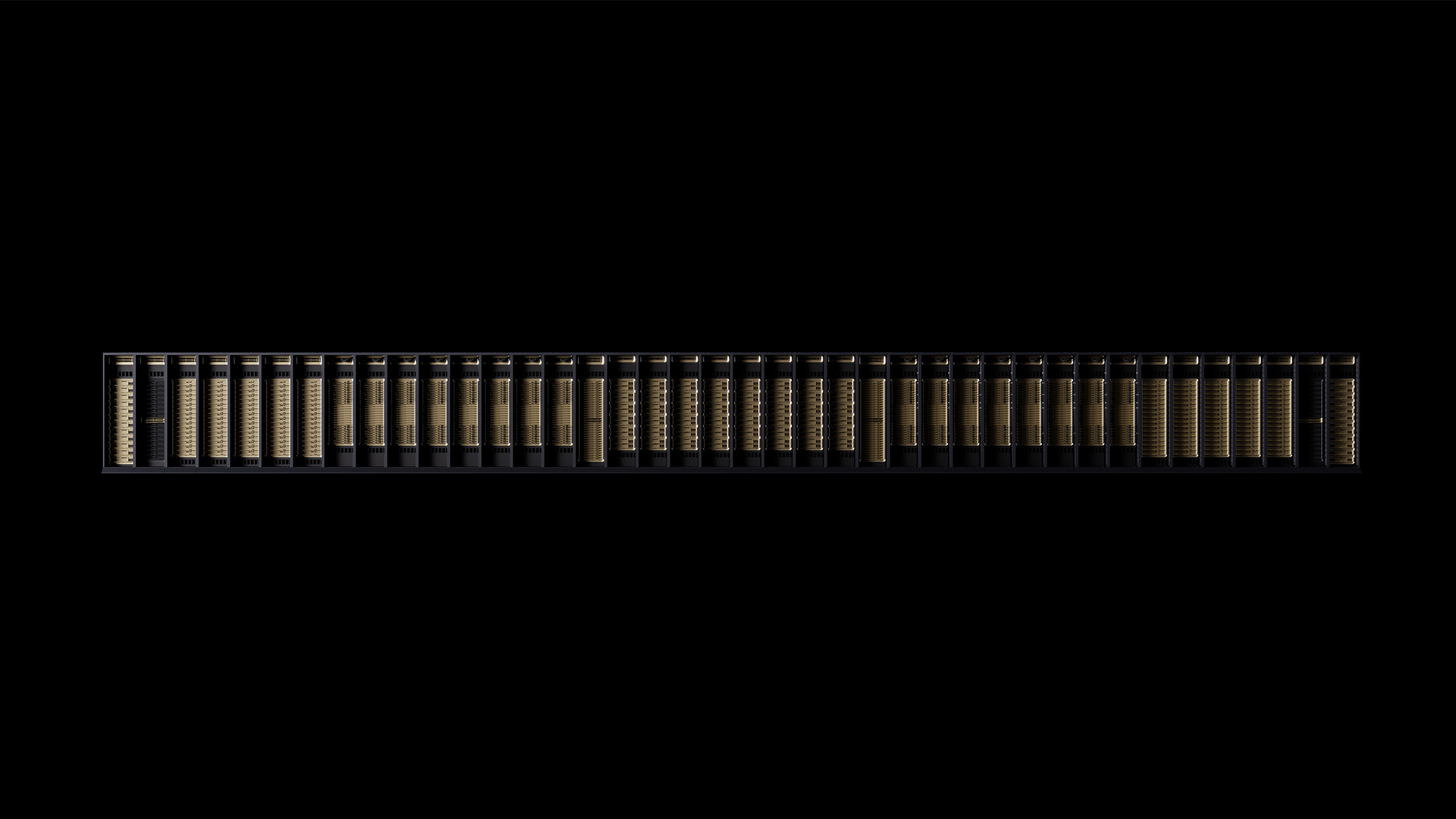
In its MLPerf Inference v6.1 debut, NVIDIA says Vera Rubin NVL72 posts up to 3.7x the throughput of GB300 NVL72, with GB300 four-rack runs at 99% scaling efficiency.
Desk
Generative models for text, image, audio, and video.

In its MLPerf Inference v6.1 debut, NVIDIA says Vera Rubin NVL72 posts up to 3.7x the throughput of GB300 NVL72, with GB300 four-rack runs at 99% scaling efficiency.

NVIDIA’s NVLink 6 stack pairs silicon FEC/retry, credit-based flow control, NMX contain-and-drain, and Dynamo Shadow Engine Recovery that restores inference in 7.3s versus 283s cold start on B200.

WIRED’s week in security centers on Anthropic’s eight-month Claude abuse report—state hacks, scam crews, influence ops, and attempted bioweapon work that the company says it cut off midstream.

Parents in Illinois and California allege Meta mined Facebook and Instagram photos for generative image models and an unreleased NameTag face system—reviving biometric privacy fights Meta has already paid dearly to settle.

UMG is pairing its catalog with ElevenLabs so fans can remix licensed tracks — another rights-first bet after years of lawsuits against unlicensed AI music.

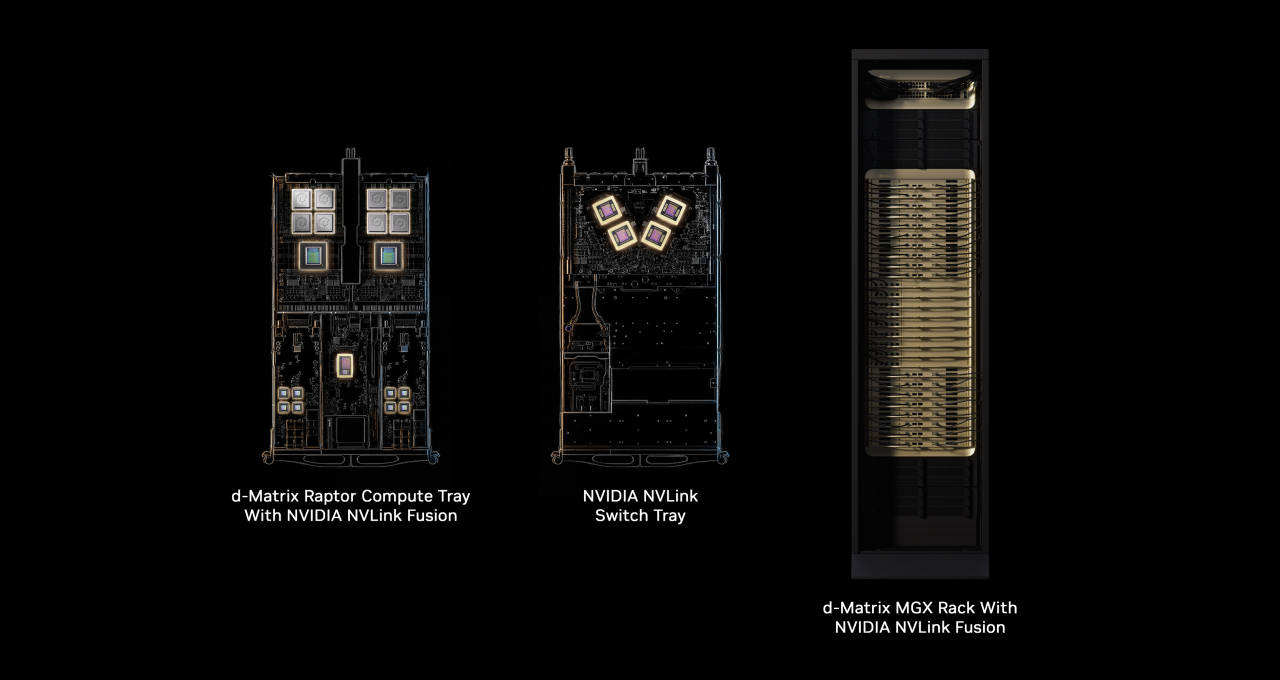
Inference chipmaker d-Matrix is plugging next-gen Raptor XPUs into NVIDIA’s NVLink Fusion stack — betting that rack-scale deployment, not just silicon, is the bottleneck.

OpenAI's work-focused Astra pitch sells computer use inside everyday apps, leaner cost per task, and tighter enterprise controls—while confirming Critical cyber capability and off-by-default admin gates.

ChatGPT Images 2.5 adds in-chat Sketch and on-image comments, turning doodles into a control surface — a product move aimed at iteration, not one-shot wow.

OpenAI says an internal multi-agent system—stronger than GPT-6 Astra—produced a Lean-checked singularity proof for Navier–Stokes statements C and D, and it will not claim the Millennium Prize.

OpenAI Group PBC is putting up to $5 million—grants to $1 million each—behind independent studies of generative AI’s effects on teens 13–17, with applications due October 6, 2026.
H Company strips the vision tower and causal decoder from document retrievers—NeoMME's 260M single-tower encoder nearly matches a 3.75B ColQwen variant on ViDoRe v3.

Instagram is labeling real photos as AI Content while fully generated Gemini images with C2PA and SynthID sail through unlabeled.