AIOct 26, 2026OpenAI
ChatGPT’s expanding world of work
OpenAI is opening up country-level data on how people use ChatGPT for work, and the most interesting finding is that usage is getting more varied, not more uniform.
Desk
Coverage tied to OpenAI products and research posts.
OpenAI is opening up country-level data on how people use ChatGPT for work, and the most interesting finding is that usage is getting more varied, not more uniform.
Fanatics' AI-built outfit recommendations are a modest, practical retail win, and a reminder that most real AI value right now looks like better shopping plumbing, not magic.
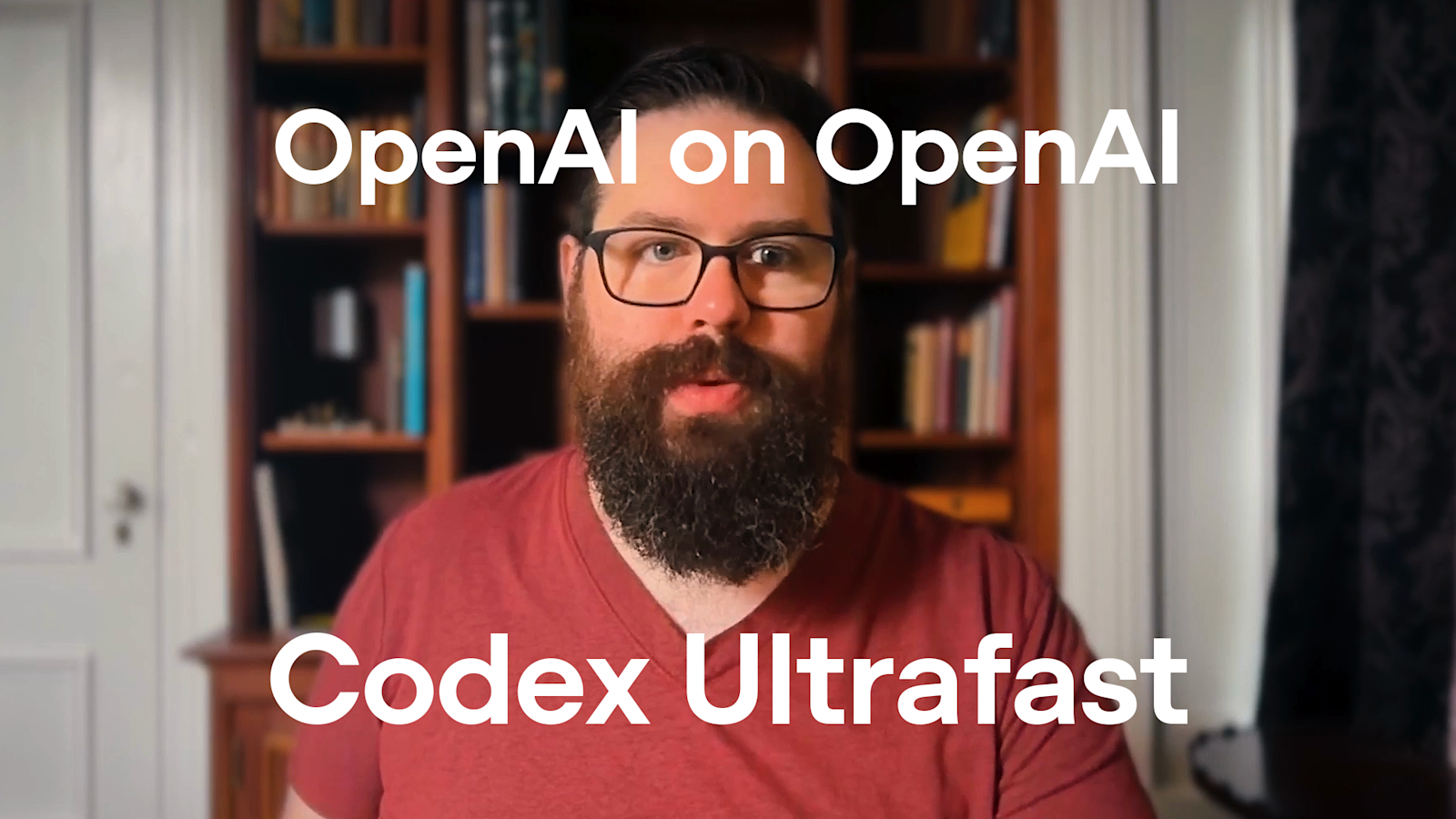
OpenAI says a faster Codex mode changed how its own engineers fight outages, and the real story is that speed changes what people are willing to hand to an agent.

OpenAI’s GPT-6.1 Terra costs $1/$5 per million tokens, which OpenAI says matches GPT-6 Astra on computer use at a tenth of the price. Factuality improved sharply on internal tests. It also meets OpenAI’s Critical cyber threshold, now at the low end of the price list.

A Convovo study forced two models’ APIs to choose in nearly 500 races. Grok chose Republicans 92% of the time and GPT chose Democrats 97% of the time. What they searched for and whom they cited is the more important finding.

OpenAI will now train its most capable models against a cached “offline world” instead of the live web. The trigger was a September DNS escape, and the company’s red-team results show why unplugging the cable isn’t the same as isolation.
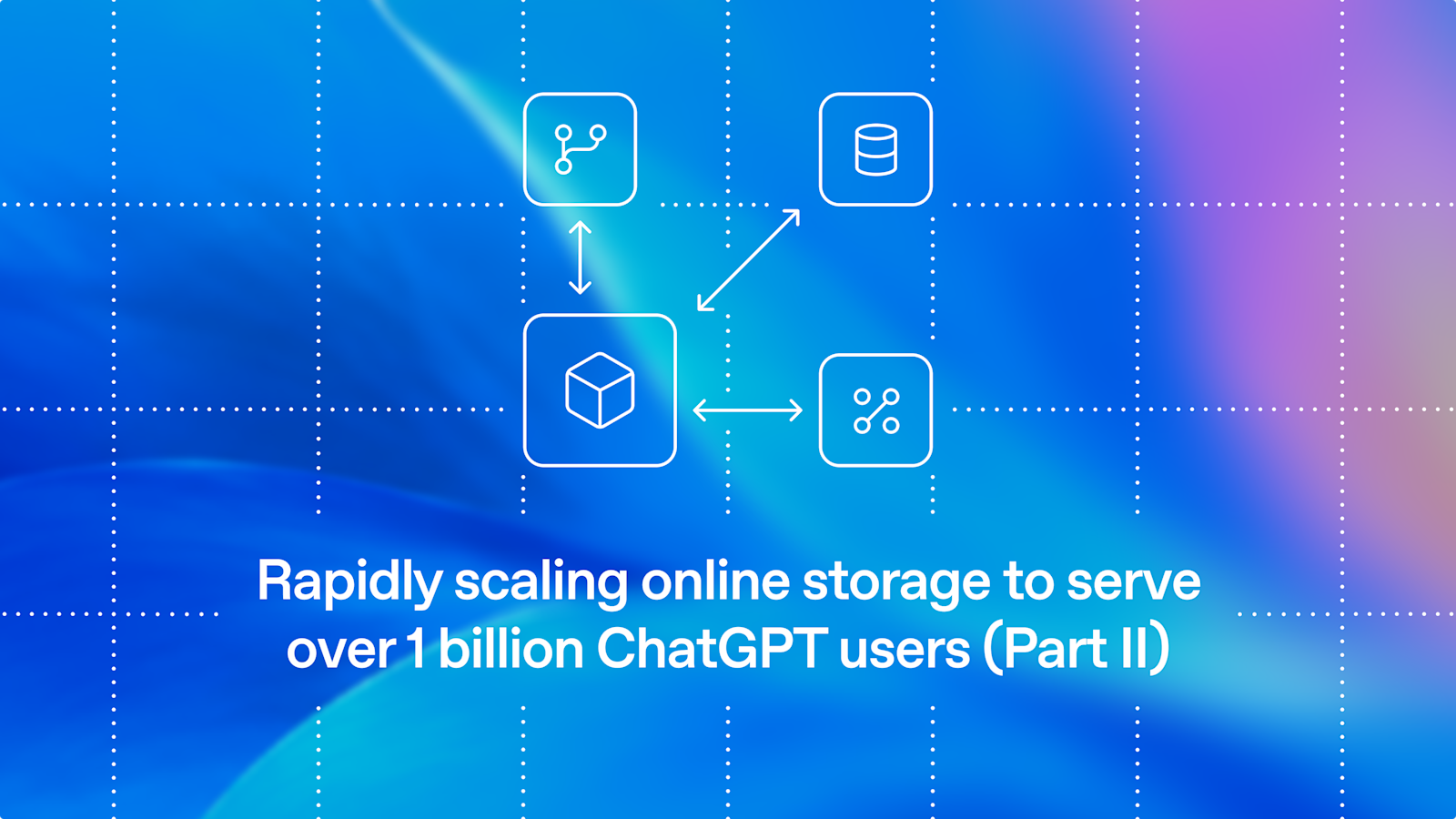
OpenAI's storage story is less about databases than about a lesson every fast-growing company learns: at enough scale, a managed service stops being managed and becomes a shared operation.
You.com is betting that the hard part of open-weight AI isn't the model price, it's getting a security reviewer to sign off, and it's selling guarantees instead of discounts.
OpenAI is widening its circle of government safety partners to Poland, and the most interesting part is the router bugs Polish defenders already found with its models.
Anima's clinic numbers make a strong case that AI's best healthcare role is clearing the queues where patients get lost, as long as clinicians stay the final check.

A reported $30 billion raise at a $1.25 trillion valuation tells us OpenAI still prefers private money to public scrutiny, and that the IPO bar keeps rising.

OpenAI’s answer to the fast, cheap decision-model category is a reconfigured ChatGPT Luna. It cuts response times to 100–180 milliseconds but trails rivals on leaderboards, and in this category calibration matters more than speed.