AIOct 22, 2026MarkTechPost
Gradium Open-Sources Phonon, a 31M-Parameter On-Device TTS Model Under Apache 2.0
A 64.5 MB voice model that talks in milliseconds on a laptop CPU makes cloud text-to-speech look optional, and that is mostly good news.
The file
Sourced AI briefs in publish order — newest first. Citeable originals live on the homepage under From Signal Desk.
A 64.5 MB voice model that talks in milliseconds on a laptop CPU makes cloud text-to-speech look optional, and that is mostly good news.

Microsoft says China state-aligned hackers breached ConnectWise’s cloud backup service, took application credentials linking it to customers, and used AI agents to hit about 2,250 organizations at nearly 3,000 sign-in attempts a minute. Third-party credentials deserve the scrutiny of passwords, and defense must be automated.

Nvidia's KvikIO tutorial is plumbing, but it answers a question many GPU teams quietly get wrong: is your data actually taking the fast path from disk to GPU?

Microsoft Research’s Flint-interactive lets users and AI agents describe chart behavior such as clicking, filtering and linking views with semantic events and operators, while a compiler handles rendering. It targets agents’ costly trial-and-error with interactive charts; reliable interactions don’t make the numbers right.

Eight desk-sized boxes can now hold a 753-billion-parameter open model, and that pushes serious AI work back toward the people who own the hardware.
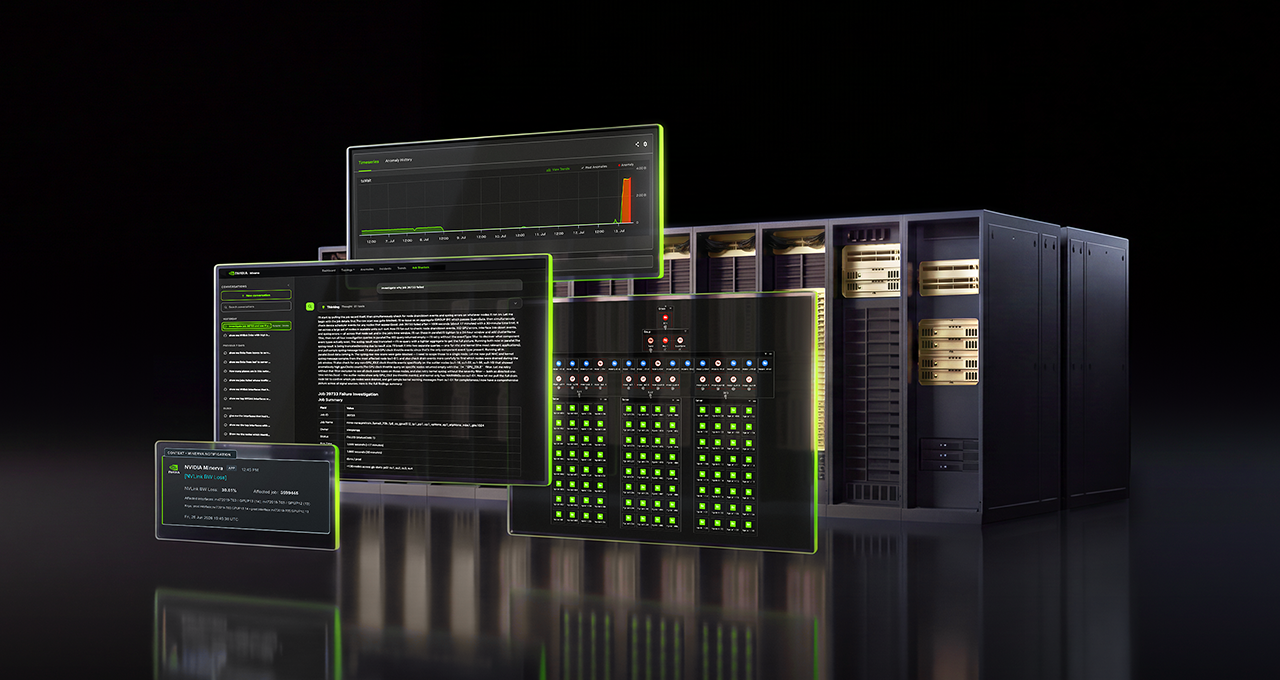
Minerva is Nvidia’s AIOps platform: it correlates telemetry from GPUs, networks, storage, schedulers and jobs, uses ML to predict failures and collapse alert storms, and includes an AI assistant. Adoption intent is strong; measured results aren’t published, and owning ops deepens lock-in.

On Decoder, Bill Gates said society should prepare for roughly 20 tumultuous years of AI transition, called it the most dangerous technology ever, and proposed that highly capable models run only on platforms certifying safeguards stay intact. The diagnosis is strong; the politics are the gap.

Citrini Research and Anthropic used an unreleased Claude model to generate nearly 320,000 candidate proteins in 64 hours, and outside labs found 17 that bound toxins. Experts told The Verge binding is the easy step; neutralizing venom safely in a body has not been tested.

Hugging Face and academic partners released Carbon-X, a 14-billion-parameter open model that reads DNA and plain English together and runs locally. The privacy design and virus exclusion are sound choices; the developers say the model has not been validated in a wet lab.
IBM's new open speech model isn't the most accurate on the board, but small, permissively licensed and able to run on a laptop is a combination businesses can actually use.
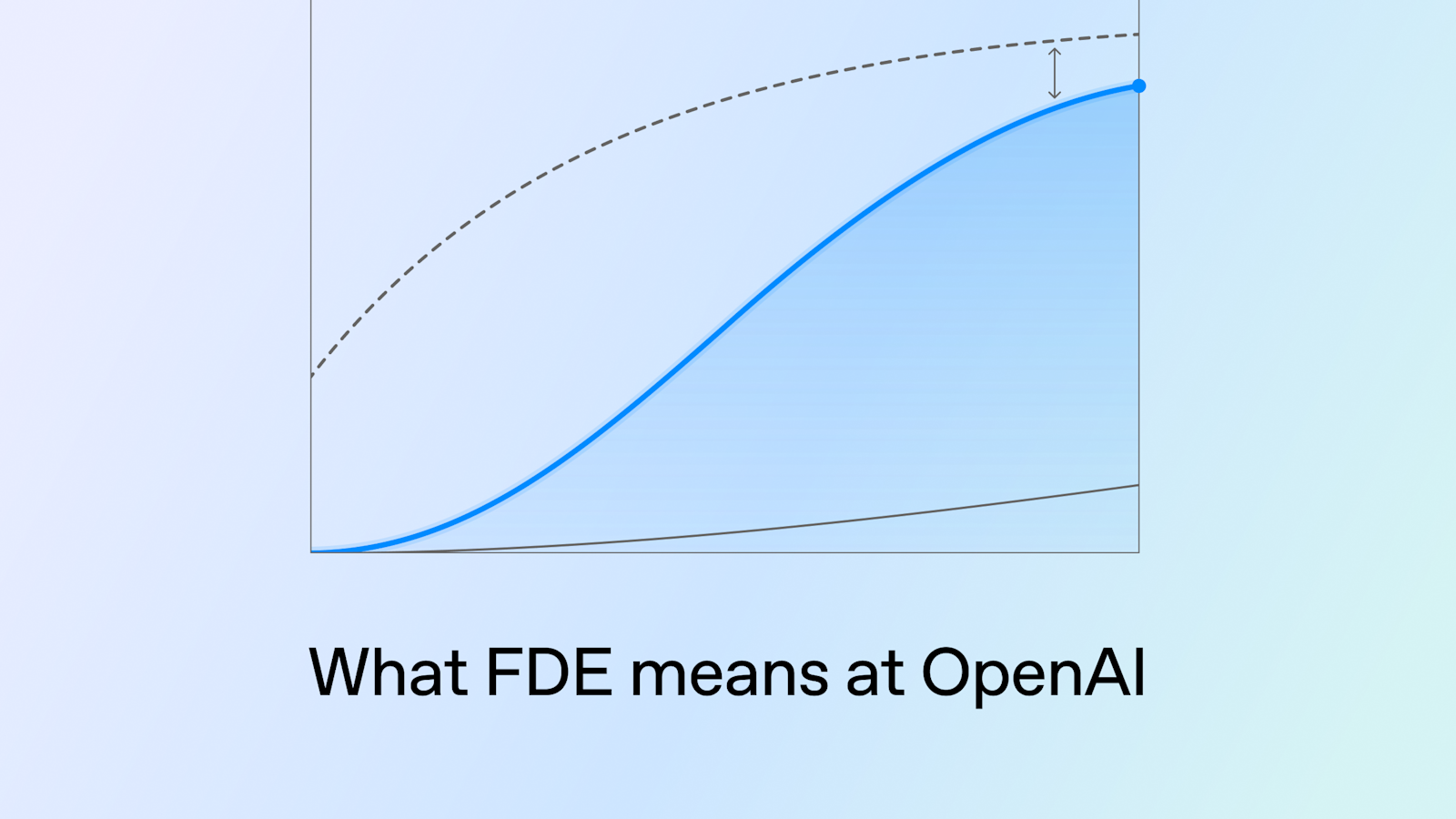
Colin Jarvis, who leads OpenAI’s Forward Deployed Engineering team, describes engineers embedding with customers, shipping hard problems to production, folding reusable work into products and routing unsolved problems to Research. The figures are OpenAI’s own; the structural advantage is real.

At GTC Berlin, Nvidia showcased Revolut, Lloyds, Starling, Santander, bunq, Stripe and others building models on their own data and infrastructure. The push for control suits regulated finance; the performance figures come without methodology, and many of the ‘open’ models are Nvidia’s own.