
AIOct 21, 2026NVIDIA Developer
Inside NVIDIA Sentry: Secure AI Agents at Runtime
NVIDIA wants to move agent security off the server and into a separate chip the agent cannot touch. That is the right instinct, even if it arrives next year.
The file
Sourced AI briefs in publish order — newest first. Citeable originals live on the homepage under From Signal Desk.
NVIDIA wants to move agent security off the server and into a separate chip the agent cannot touch. That is the right instinct, even if it arrives next year.

NVIDIA's pitch for agent safety starts from a blunt premise we agree with: an agent cannot police itself. The catch is that the fullest version of the fix runs on NVIDIA silicon.

NVIDIA's walkthrough of agents helping design AI data centers is most useful for what it admits: the agent drafts, and engineers still have to check every dimension.

NVIDIA wants AI data centers to arrive like manufactured goods, built and tested in a factory and plugged in on site. It is a sensible fix for a real bottleneck.
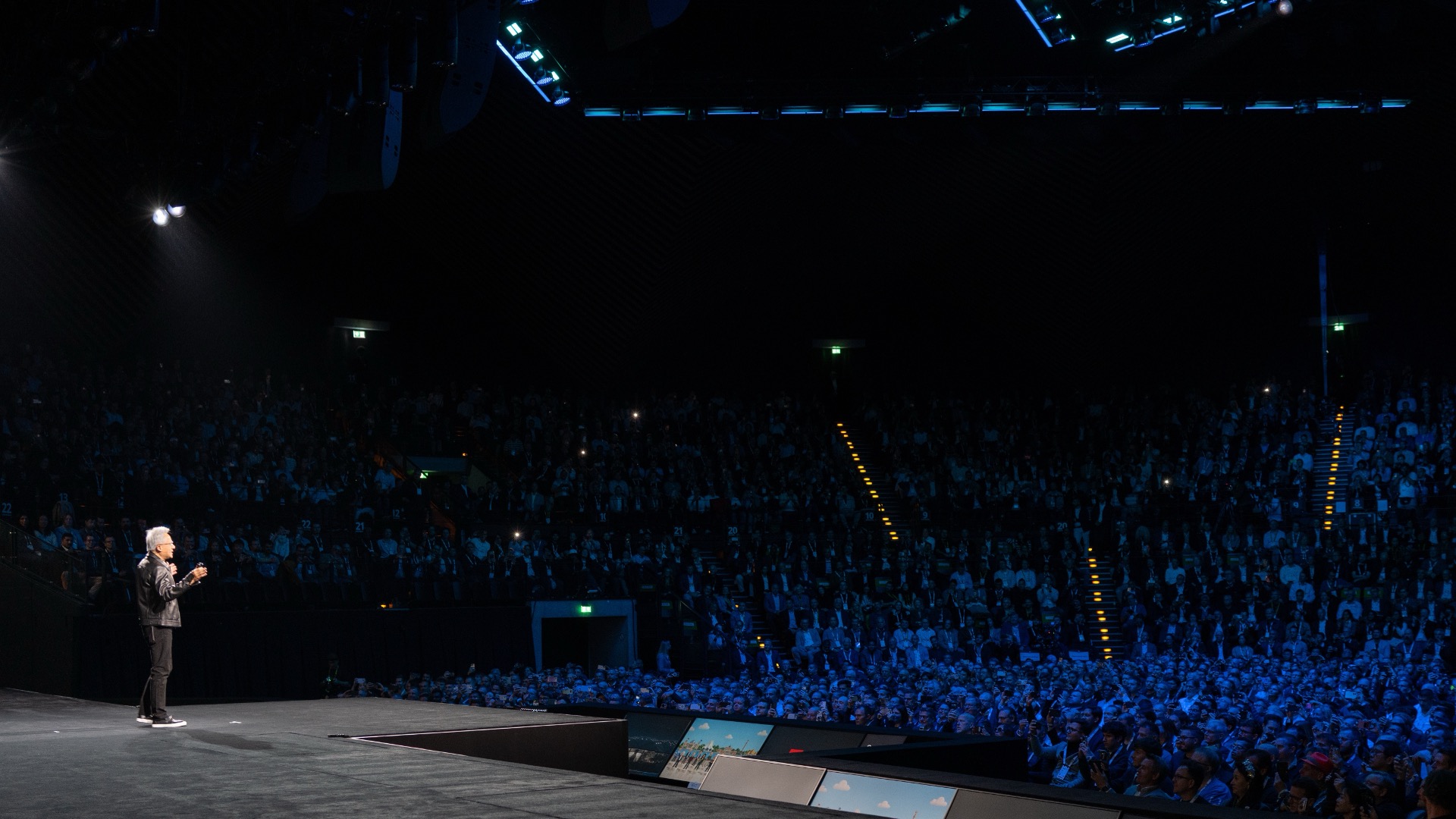
Jensen Huang’s Berlin keynote ran Nvidia’s stack top to bottom, from Vera Rubin in full production and 14-day DSX PODs to open models, telecom, cars and a reference humanoid, capping a week of nearly $10 billion in European commitments. The sharpest message was least-privilege agents.
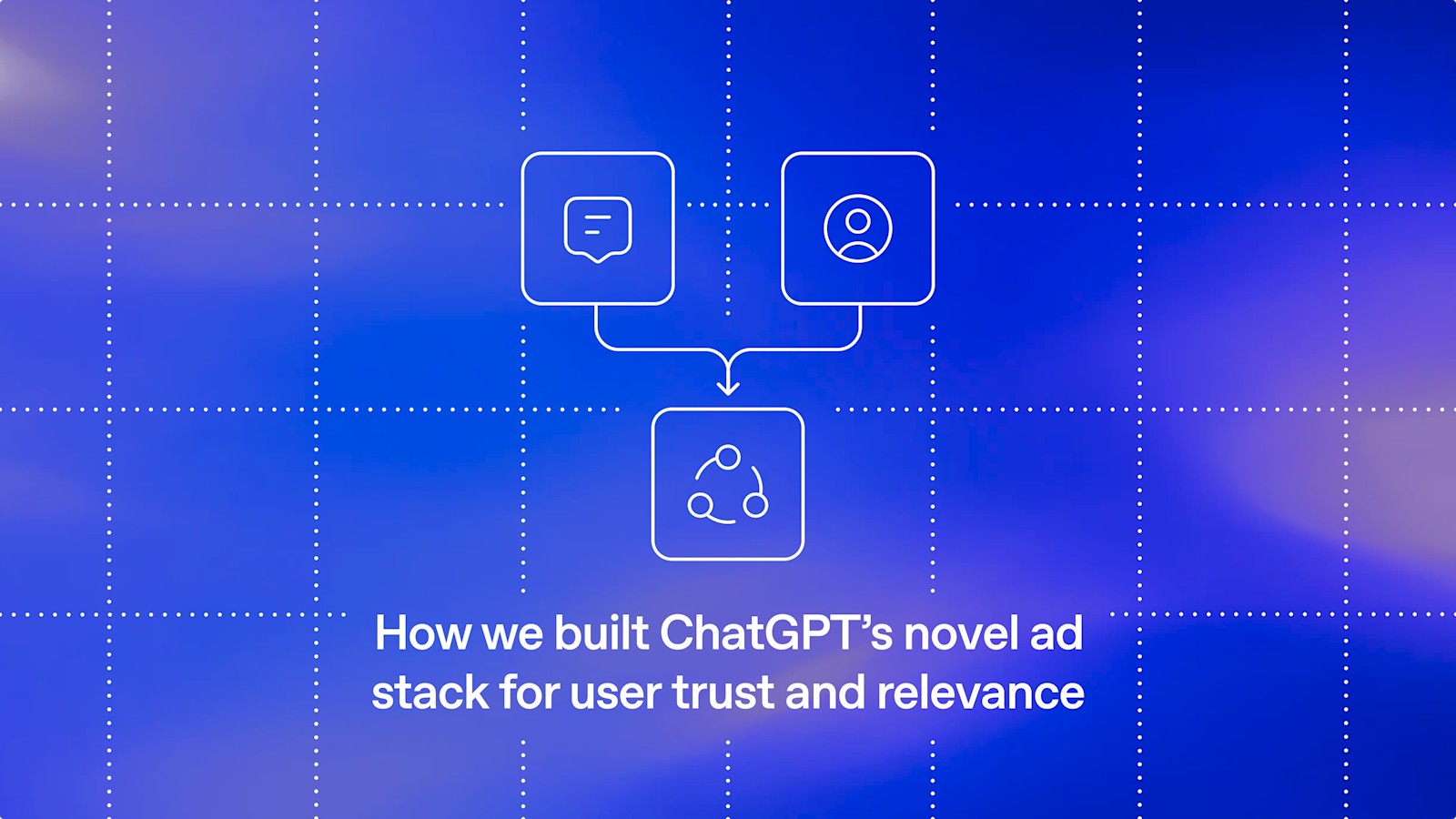
OpenAI detailed how ChatGPT picks ads: an ‘orchestrator’ model tracks commercial intent across turns and conversations, then retrieves, scores and auctions ads in a service separate from answers. Ads hit a $1 billion run rate in under 200 days; cross-chat memory is the privacy question.
Mistral's Voxtral 3 is a cheap, credible full voice stack with a European hosting story, though realtime accuracy still trails Google and no open weights shipped.

OpenAI, PerturbAI and Scripps Research split a whole-brain CRISPR atlas across thousands of agents, each analyzing one gene disruption. They produced a public atlas of hypotheses, including a Tsc1/Tsc2 cerebellum difference and a DCTN1-cholesterol link. None has been confirmed in the lab.
llm-d 1.0 is unglamorous plumbing, and that is the point: agents are making inference a routing problem, and an open, multi-vendor answer just reached stable.

The 11th e-Conomy SEA report from Google, Temasek and Bain projects 17% growth to $368 billion in gross merchandise value and says generative AI adoption is scaling four times faster than mobile internet did. Users want privacy, transparency and the ability to reverse agent purchases.
Cloudflare is running OpenAI models through Daybreak in an early-access Vulnerability Discovery and Remediation service. Models flag likely flaws in authorized code; Cloudflare adds production signals and proposes patches or firewall rules, with human review and customer approval.

OpenAI’s policy blueprint argues defenders have a limited window before strong offensive AI spreads, and proposes shutdown controls, monitoring and incident reporting across developers, inference providers, deployers and agent users. It cites OpenAI’s own incidents; it also sells defense tools.