Microsoft event debuts new AI-friendly hardware and Windows changes
Microsoft is betting the next Windows on local AI and agents that act for you. The sandboxing is the most important announcement, and the one we most need to see work.
The file
Sourced AI briefs in publish order — newest first. Citeable originals live on the homepage under From Signal Desk.

Microsoft is betting the next Windows on local AI and agents that act for you. The sandboxing is the most important announcement, and the one we most need to see work.

OpenAI's latest threat report shows AI helping old-school propaganda fronts reach real newsrooms, and the most effective trick was not deepfakes but fake journalists and unwitting staff.
Hugging Face's ML Intern built six custom models for roughly $103 of compute, a real step toward made-to-order AI, and a reminder that cheap model-making needs careful evaluation behind it.

Nous Research built its name on an open-source agent people actually use. The $1.5 billion question is whether it can sell a private, enterprise version without hollowing out the open project.
Haiku 5.5 makes a capable model with a million-token memory nearly free for everyday work. Cheap intelligence at this price changes what gets automated, and how much.

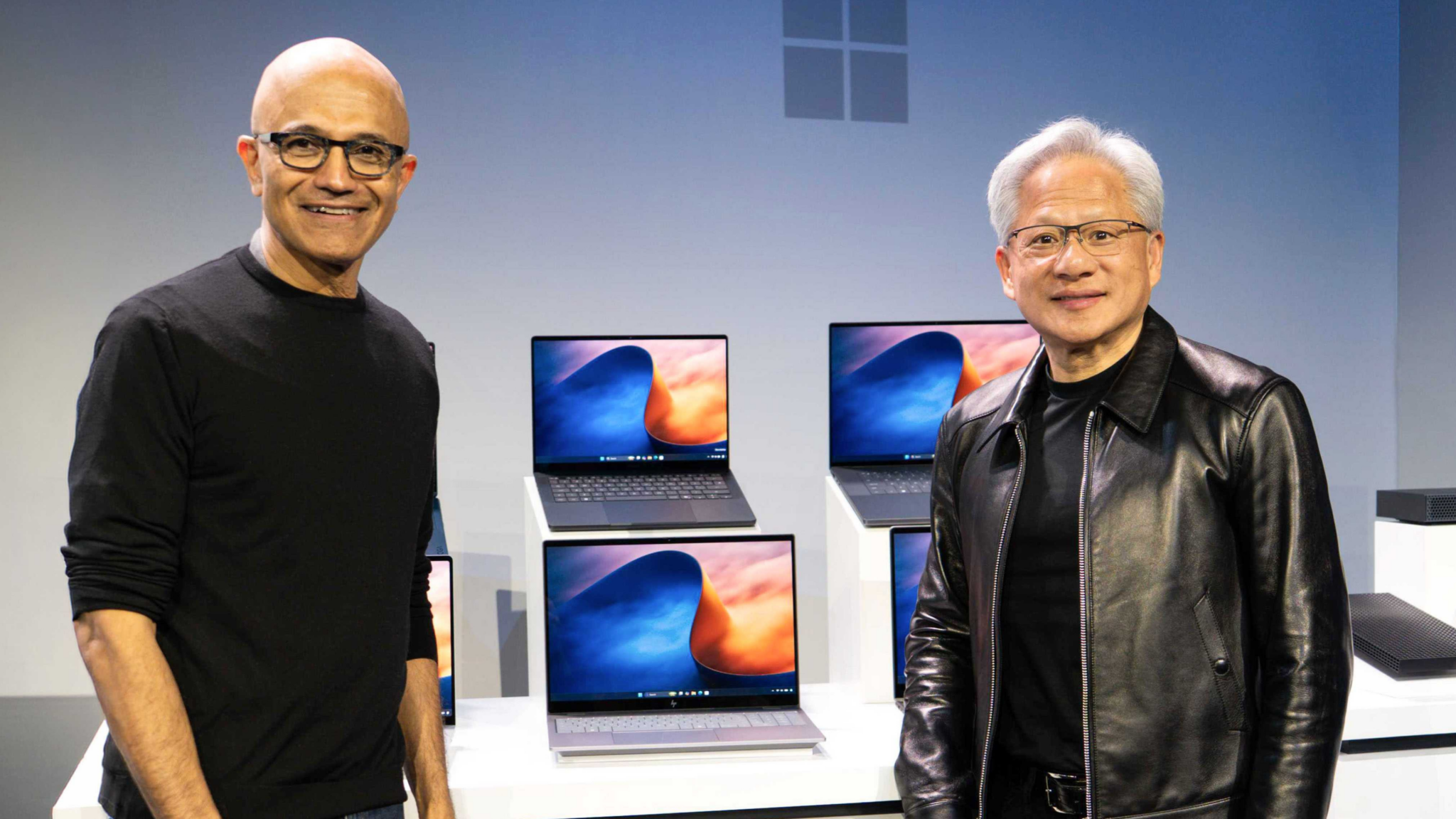
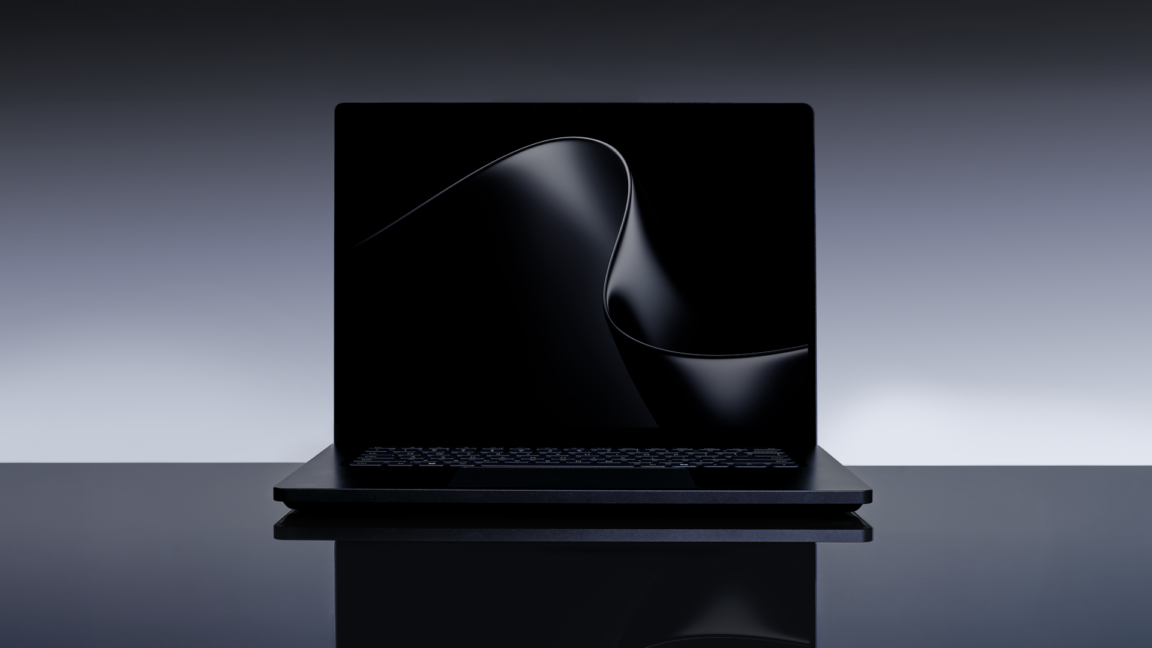
The pricey Nvidia-powered Surface machines are the headline, but the bigger move is a Windows feature to sandbox AI agents, and that one ships to everyone.

NVIDIA and Microsoft are betting that AI agents will live on the PC, not just in the cloud, and the security plumbing matters more than the petaflops in that bet.

A chatbot steering a real Corolla to a drive-thru is a genuine signal about physical reasoning in general models. It is also a reminder that their refusals gave way to careful prompting.
Liquid AI's new models do not chat at all. They answer fixed questions with probabilities in milliseconds, and that unglamorous design may be what makes AI safe enough to run everywhere.

NVIDIA's robotics lab tried to teach robots to assemble its own AI hardware and found that classical engineering often beat end-to-end learning. That honesty is the most valuable part.

ChatGPT's new Intelligent UI swaps walls of text for interactive charts and tools, a genuine usability upgrade that also hands more of how information looks to the model itself.

Microsoft Research wants agents trained in the same harness they ship in. That closes a real gap between lab and deployment, and it makes reward design and safeguards matter even more.