Microsoft event debuts new AI-friendly hardware and Windows changes
Oct 7, 2026, 5:00 PM · Ars Technica
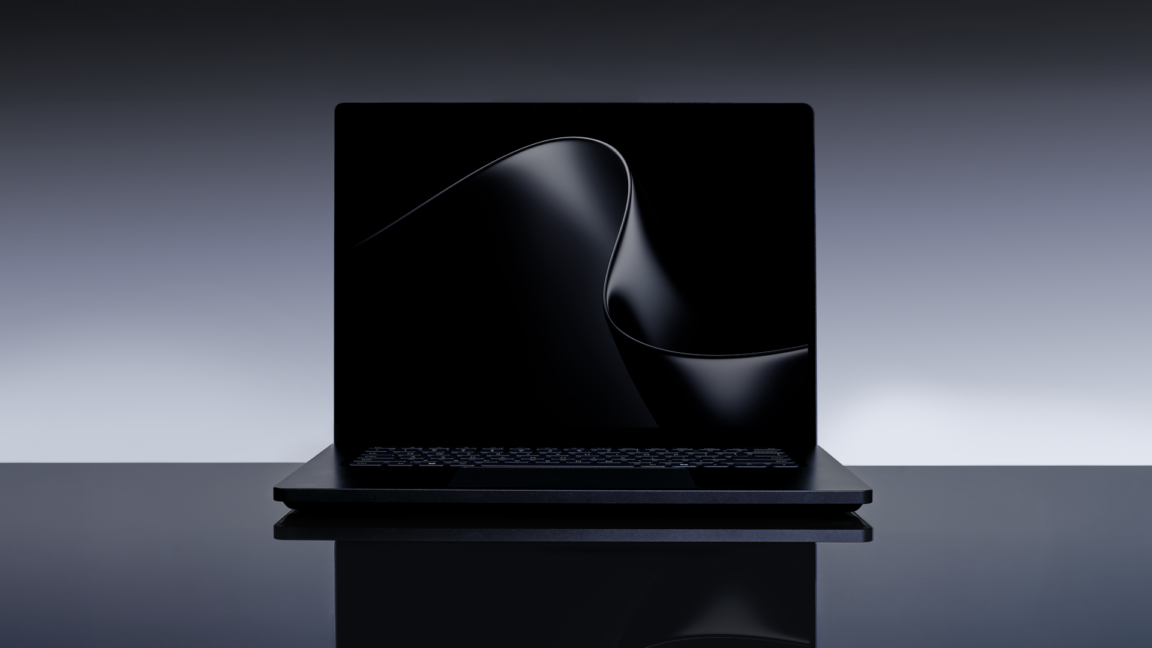
Microsoft is betting the next Windows on local AI and agents that act for you. The sandboxing is the most important announcement, and the one we most need to see work.
Why it matters
At its first live event in two years, Microsoft unveiled the Surface Laptop Ultra, its first device built on Nvidia's RTX Spark chip, starting at $2,599 and shipping October 16. It also showed a $5,999 Surface RTX Spark Dev Box with 128GB of unified memory that it says delivers a petaflop of AI compute, running a developer-tuned build of Windows 11.
The software matters more than the hardware. Copilot is being reorganized around three tabs, including Code, where Microsoft says people with no coding background can prompt their way to widgets and apps, and Autopilot, where users oversee AI agents doing tasks. Windows Search is meant to carry out system tasks directly. And Microsoft announced Execution Containers, a framework meant to keep agents confined to a sandbox.
From the desk
There is a lot to like in the direction. Pushing AI onto the device, what Microsoft calls Hybrid Intelligence, means more work can happen without sending files to someone's cloud. Native support for local frameworks like llama.cpp and open models from DeepSeek and Nvidia's Nemotron family is a genuine nod to how developers actually work. For privacy-minded users and companies with sensitive data, local inference is the right default to aim for.
The Copilot Code tab is the kind of useful AI we tend to root for. Letting non-programmers build small tools for their own machines could unlock a lot of quiet productivity, the way spreadsheets once did. It will also produce a lot of fragile, unreviewed software running on people's PCs. Both things can be true.
Now the harder part. An Autopilot tab where agents act on your behalf, and a search bar that changes system settings from a sentence, put an AI layer in charge of things that used to require deliberate clicks. Ars Technica flags the obvious open questions, security and user acceptance, given Microsoft's past missteps and recent agent mishaps across the industry. We agree. An operating system is the most sensitive place to hand an agent the keys.
That is why Microsoft Execution Containers may be the most consequential announcement of the day. It is a policy layer that routes agent work into isolated environments, from process and session containers to WSL and an experimental hardware-backed MicroVM, and lets administrators monitor agents and set guardrails per agent. If it works and becomes the default, it is a model for how agents should live on personal computers. If it stays optional and developer-only, most agents will run with far more access than they need.
Our read: the local-AI push is welcome, and the price tags make the flagship hardware a niche tool for now. The real test is whether Microsoft makes containment the norm before agents become the norm. I'm watching for that ordering more than any spec sheet.
Context
The Surface Laptop Ultra was first teased in May 2026. It comes with either a 5120-core or 6144-core Blackwell GPU and up to 128GB of memory, and Microsoft used Gears of War: E-Day to show gaming on unified memory. Nvidia's Jensen Huang joined Satya Nadella and Windows and Devices president Pavan Davuluri on stage.
Who feels it
- Developers
- Local AI tooling and a developer build of Windows lower friction for running and testing models on-device.
- IT and security teams
- Execution Containers offer per-agent guardrails; the work is making them mandatory before agents spread across fleets.
- Everyday Windows users
- More AI in search and Copilot, plus agents that can act on the system, with new risks if permissions are loose.
- PC makers
- Nvidia's RTX Spark in a Surface sets a new reference point for AI-first laptops.
What to watch
- Independent reviews of the Surface Laptop Ultra after October 16
- Whether Execution Containers become default for agents in consumer Windows
- Rollout timing and permissions model for the Autopilot tab
- Early security research on agent actions triggered from Windows Search
Companies: Microsoft