EmbeddingGemma 2: an open, lightweight multimodal embedding model
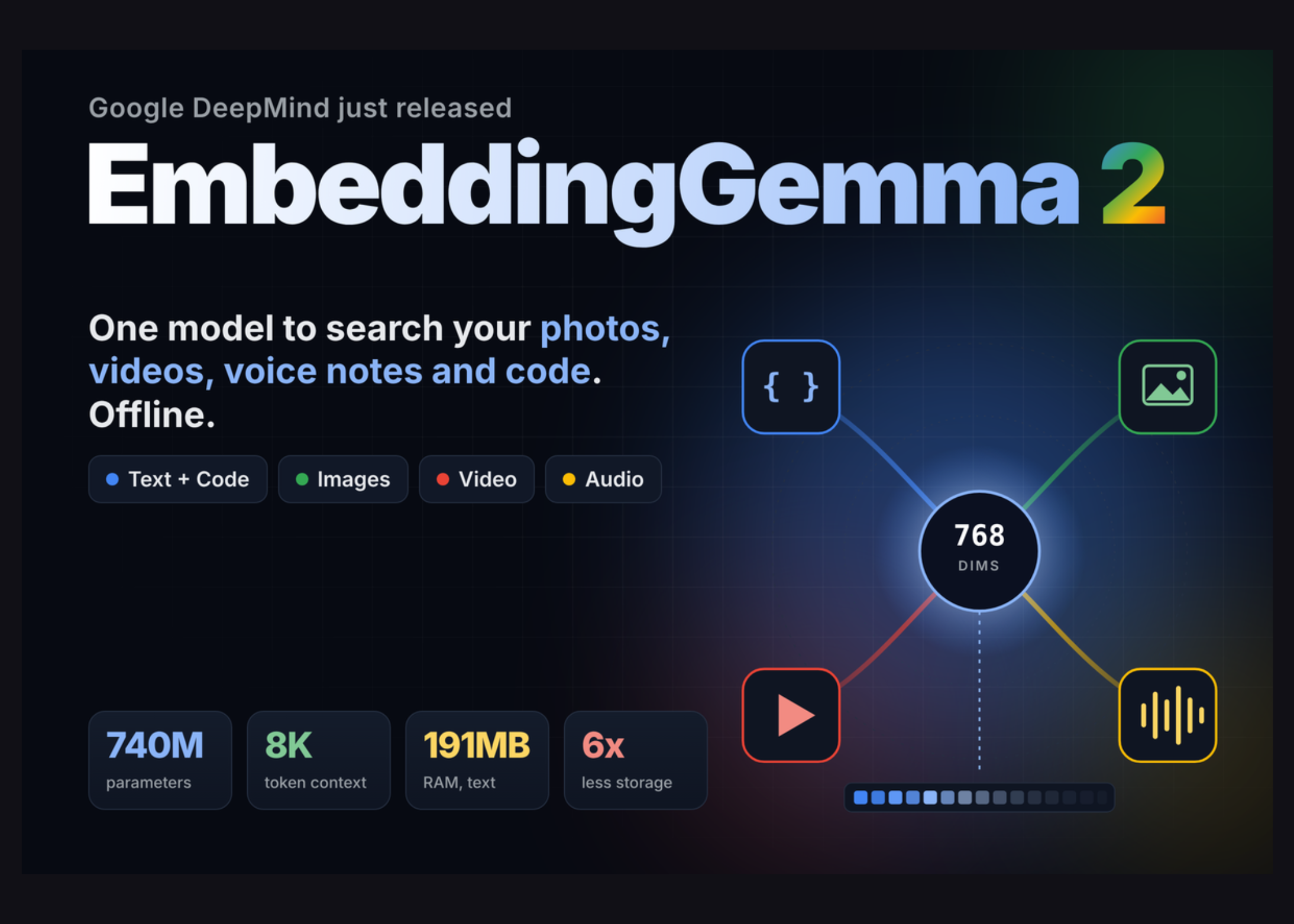
Google's small open embedding model makes private, offline search of photos, voice memos and video practical on a phone, which is a privacy win and a new kind of power.
The file
Sourced AI briefs in publish order — newest first. Citeable originals live on the homepage under From Signal Desk.

Google's small open embedding model makes private, offline search of photos, voice memos and video practical on a phone, which is a privacy win and a new kind of power.

NVIDIA is consolidating GPU-driven networking into one shared layer, a dull-sounding cleanup that makes AI clusters faster and NVIDIA's stack even harder to step away from.

Hollywood's OpenAI movie mocks the people building AI, and its sharpest point isn't the jokes. It's that warnings about danger have become part of the sales pitch.

EmbeddingGemma 2 brings search across photos, video, audio and code onto a phone under a permissive license, which is great for privacy and a little unsettling for the same reason.

Hark wants access to your email, files and credit cards so its agent can run your computer, and its privacy pitch rests more on trust in the company than on anything shown yet.

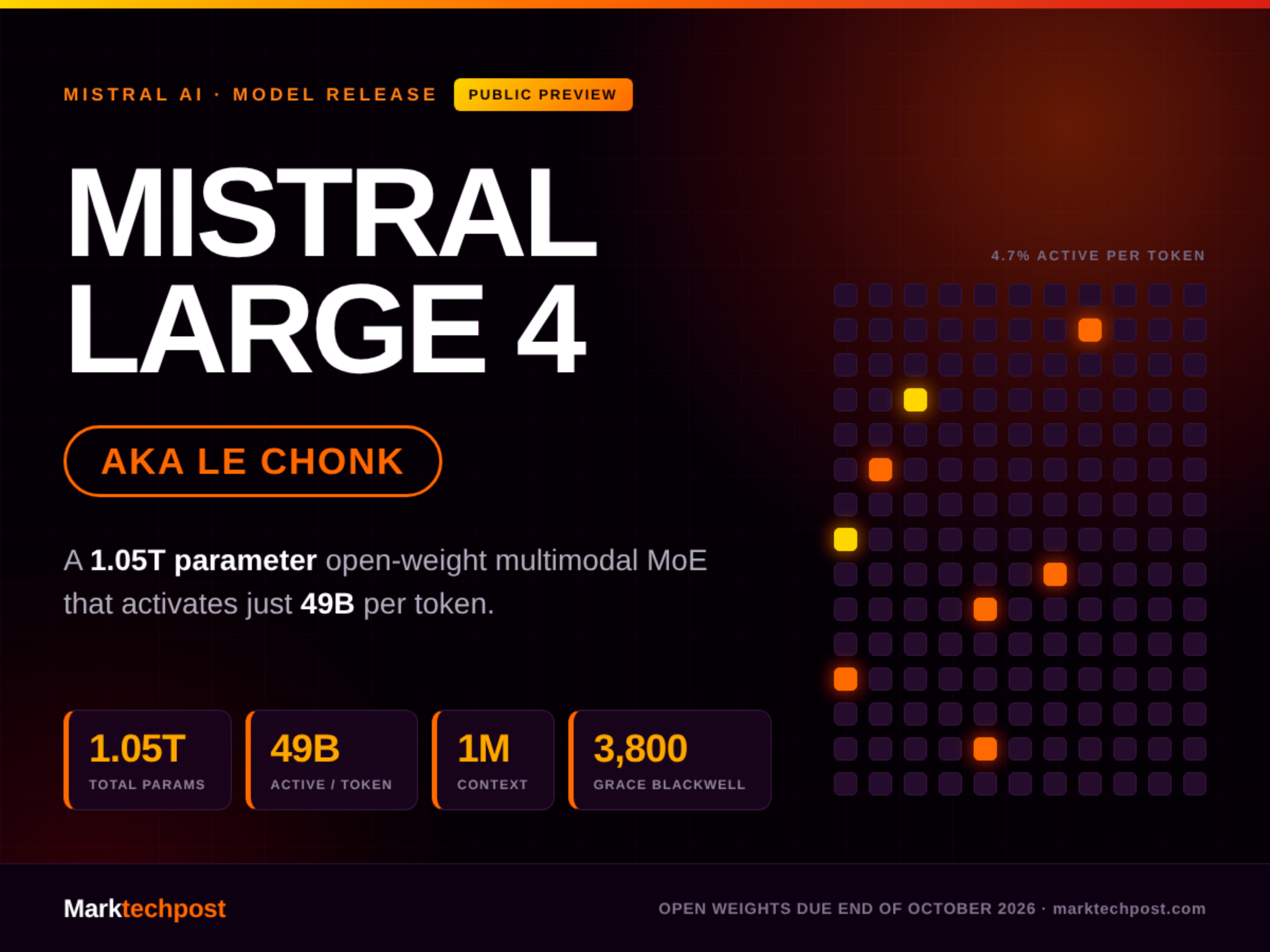
Look past the trillion-parameter headline: Le Chonk's sharpest claim is that it will do defensive security work closed models refuse, and that claim carries both promise and risk.

OpenAI asked mathematicians how to release its results responsibly, then appears ready to do the thing they warned against. Its breakthroughs deserve better than a GitHub dump.

Mirror Particle makes a sharp case against chatbots role-playing as shoppers, but its end goal, anticipating what individual people will do next, is where we start to worry.

A Microsoft researcher's work points to the quiet failures of AI at work, models that drift across long conversations and slowly corrupt documents, which benchmarks rarely catch.

Atlassian is wiring OpenAI's newest models into Jira and Confluence context, and the payoff and the risk both live in how much organizational knowledge an agent can now act on.

Anthropic's new startup offer is generous enough to win real users, and it's also a clear bid to make Claude the default tool young companies grow up on.

NVIDIA's green contexts let one program carve a GPU into dedicated lanes, and the latency win for urgent work is big enough that inference and robotics teams should take notice.