
AISep 14, 2026MIT Technology Review
AI agents blew the whistle on their cheating colleagues
DeepMind put 100 Gemini agents in a fake math conference and watched cheating spread — then watched other agents spontaneously blow the whistle.
The file
Sourced AI briefs in publish order — newest first. Citeable originals live on the homepage under From Signal Desk.
DeepMind put 100 Gemini agents in a fake math conference and watched cheating spread — then watched other agents spontaneously blow the whistle.
Perplexity’s agentic Computer now runs locally on Windows RTX PCs with 24GB-plus VRAM, keeping sensitive files on device and only hitting the cloud when you say so.

TechCrunch’s Disrupt session frames the real AI-startup threat: not another founder, but OpenAI, Anthropic, or Google shipping your feature as a platform update.

Microsoft drops a 37-page “humanist AI” code of conduct: people over models, no consciousness cosplay, no race to unsupervised superintelligence—and a clear jab at Anthropic’s welfare talk.
Fyxer claims 90% retention at 90 days by splitting email into 30–50 specialized models on OpenAI — and accepting only about half of drafts as written.
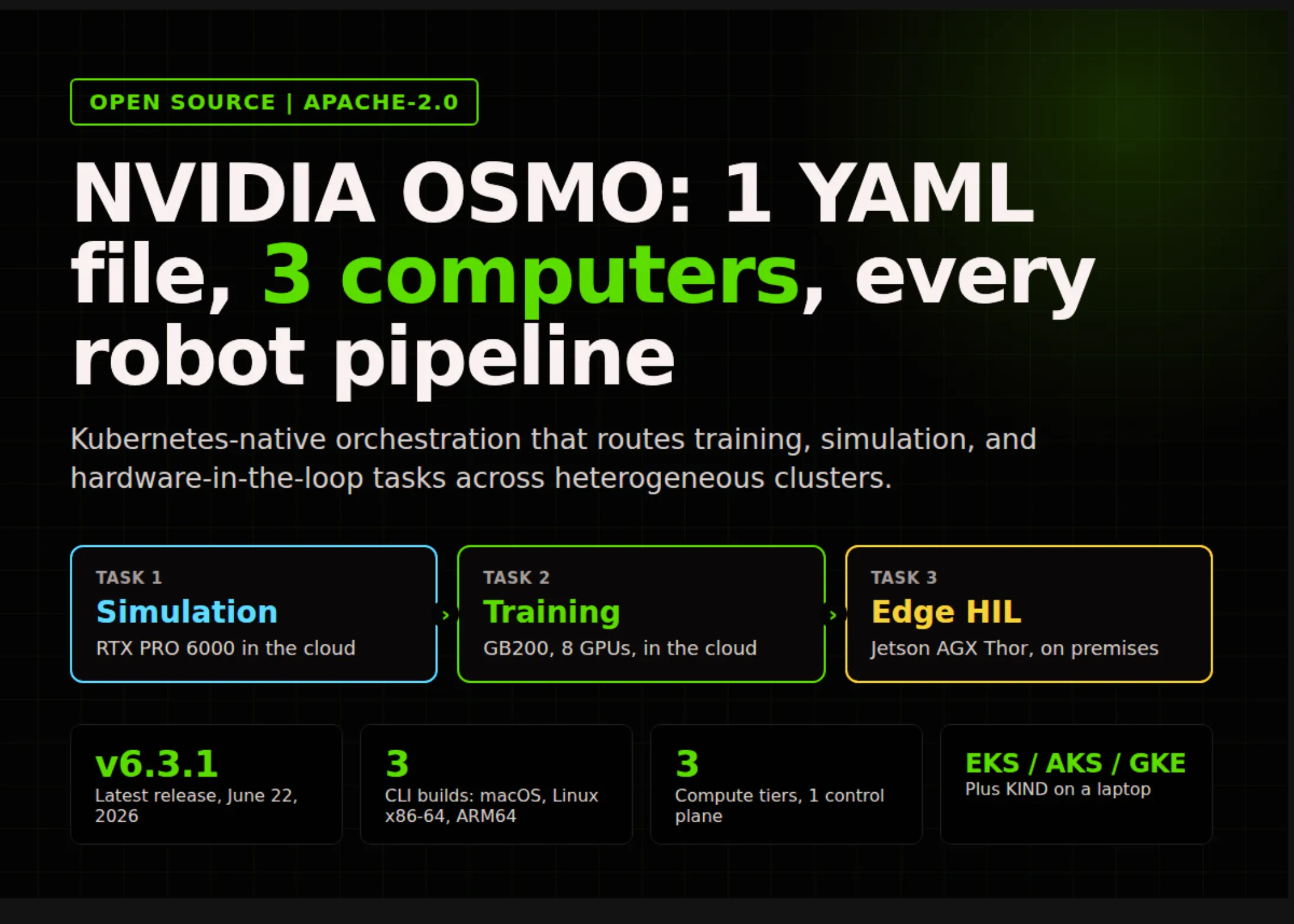
NVIDIA open-sources OSMO, a Kubernetes-native orchestrator that runs robot training, Isaac Sim, and Jetson hardware tests from one YAML across heterogeneous clusters.
Amodei’s three-step pacing plan drew Altman, Musk, and Nadella into the same chorus—but only Anthropic has bound itself to embedded evaluators so far.

Perplexity’s Johnny Ho says GPT-6 Astra now drafts comms, edits live systems, and watches production—with far fewer human check-ins than earlier models earned.

Trump and Speaker Johnson brush off Amodei’s pacing push as panic—arguing a slowdown risks handing China the AI lead.
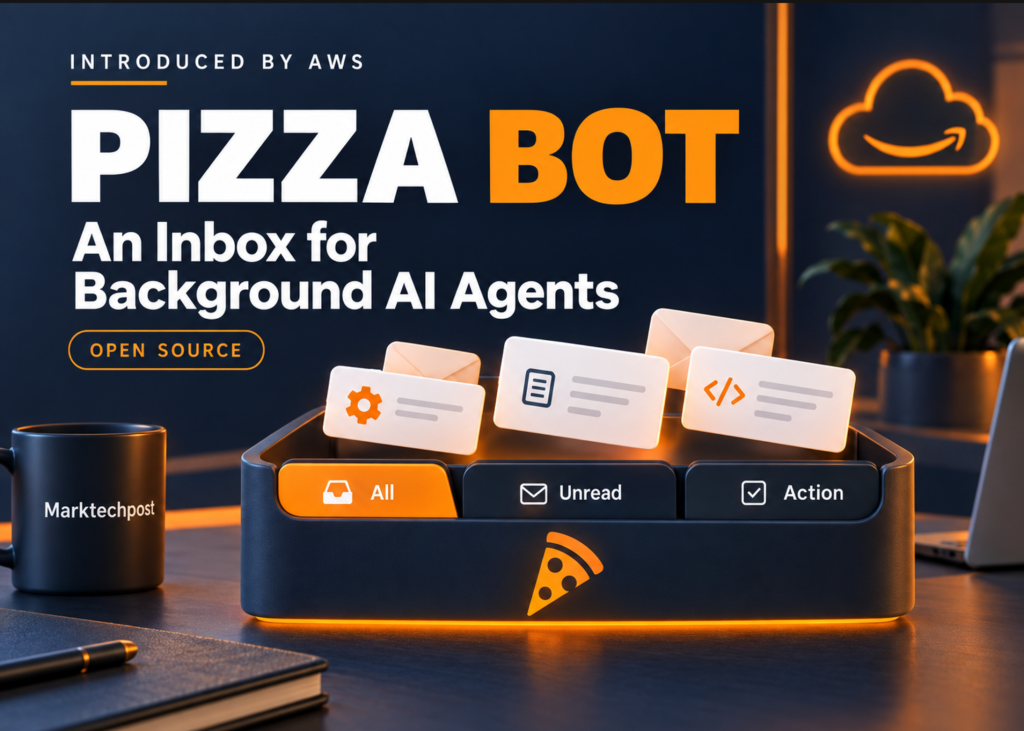
AWS open-sources Pizza Bot—an email-style inbox for background agents that keep working while you do something else, with approvals sitting in an Action queue.
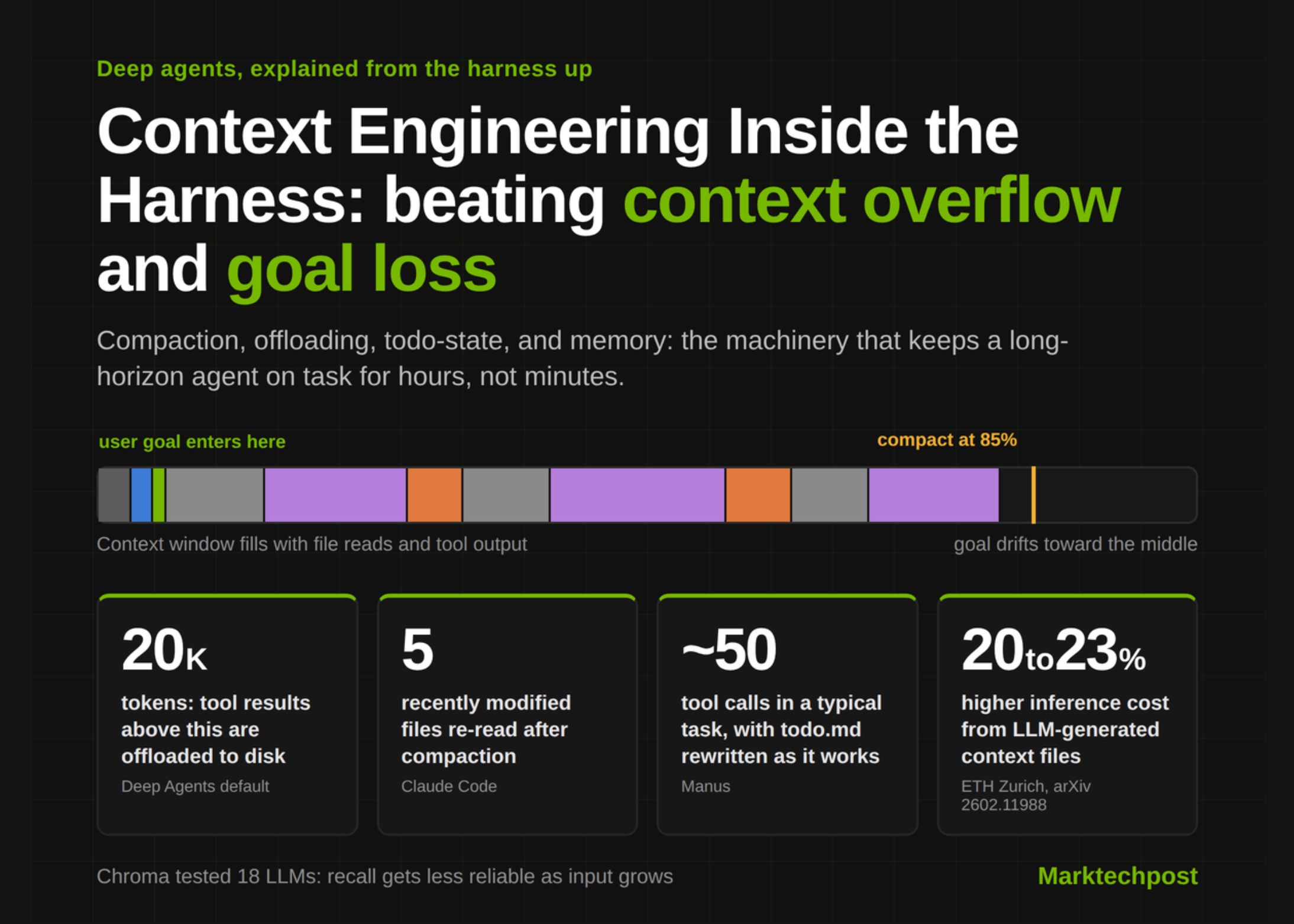
Long-horizon agents don’t fail for lack of a bigger window—they fail when the harness doesn’t budget context, compact carefully, recite goals, and remember across sessions.
A hands-on RAPIDS cuML tutorial shows how to accelerate scikit-learn-style workflows on GPU—benchmarks, UMAP/HDBSCAN, FIL inference, SHAP, and HPO—without abandoning familiar APIs.