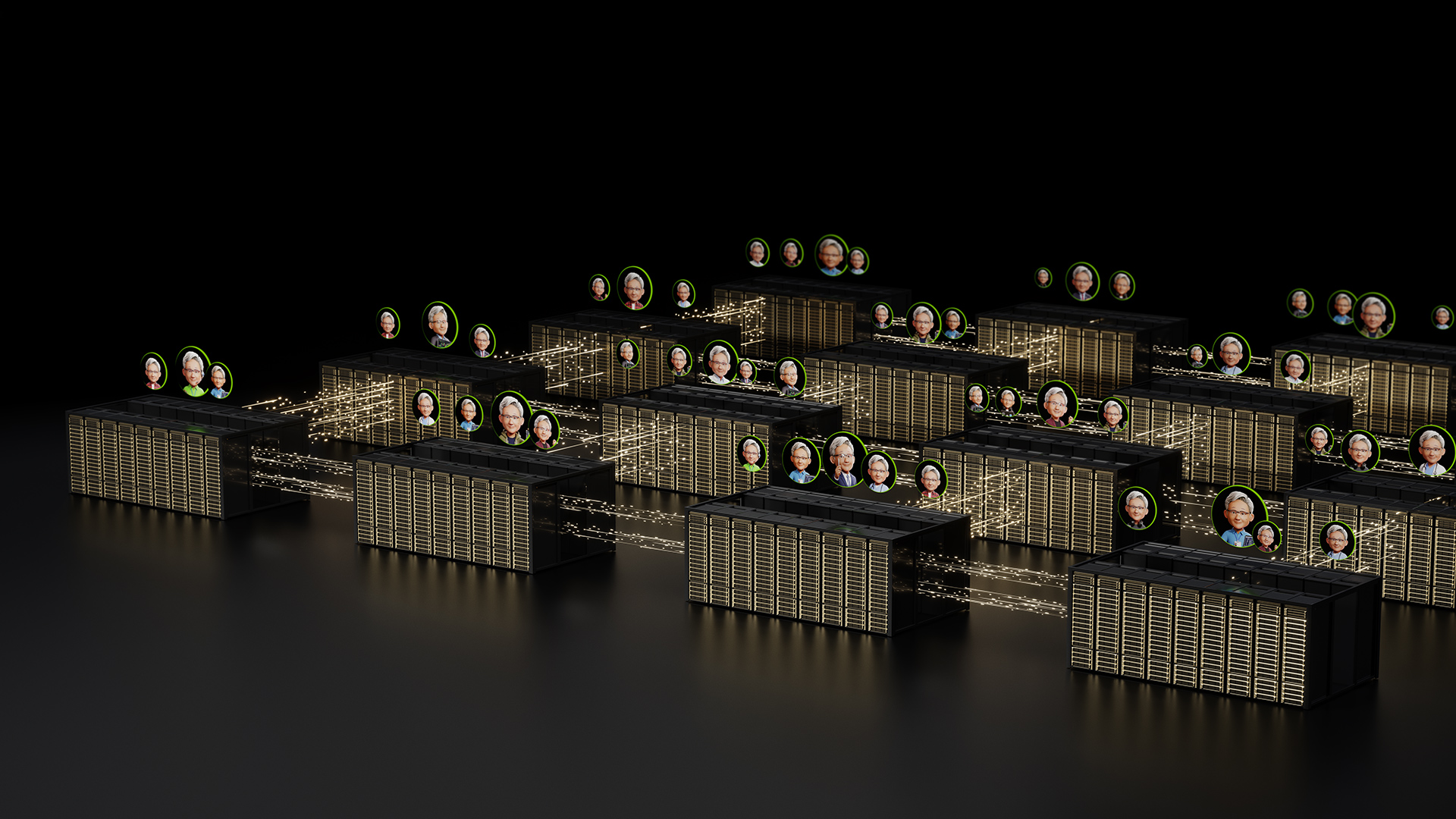
Giga-Scale AI and the Ethernet Evolution: How Spectrum-X Ethernet Rewrites the Rules
NVIDIA’s Spectrum-X case is that synchronized AI traffic needs hardware routing and per-plane failure isolation, not merely faster Ethernet links.
The file
Sourced AI briefs in publish order — newest first. Citeable originals live on the homepage under From Signal Desk.

NVIDIA’s Spectrum-X case is that synchronized AI traffic needs hardware routing and per-plane failure isolation, not merely faster Ethernet links.

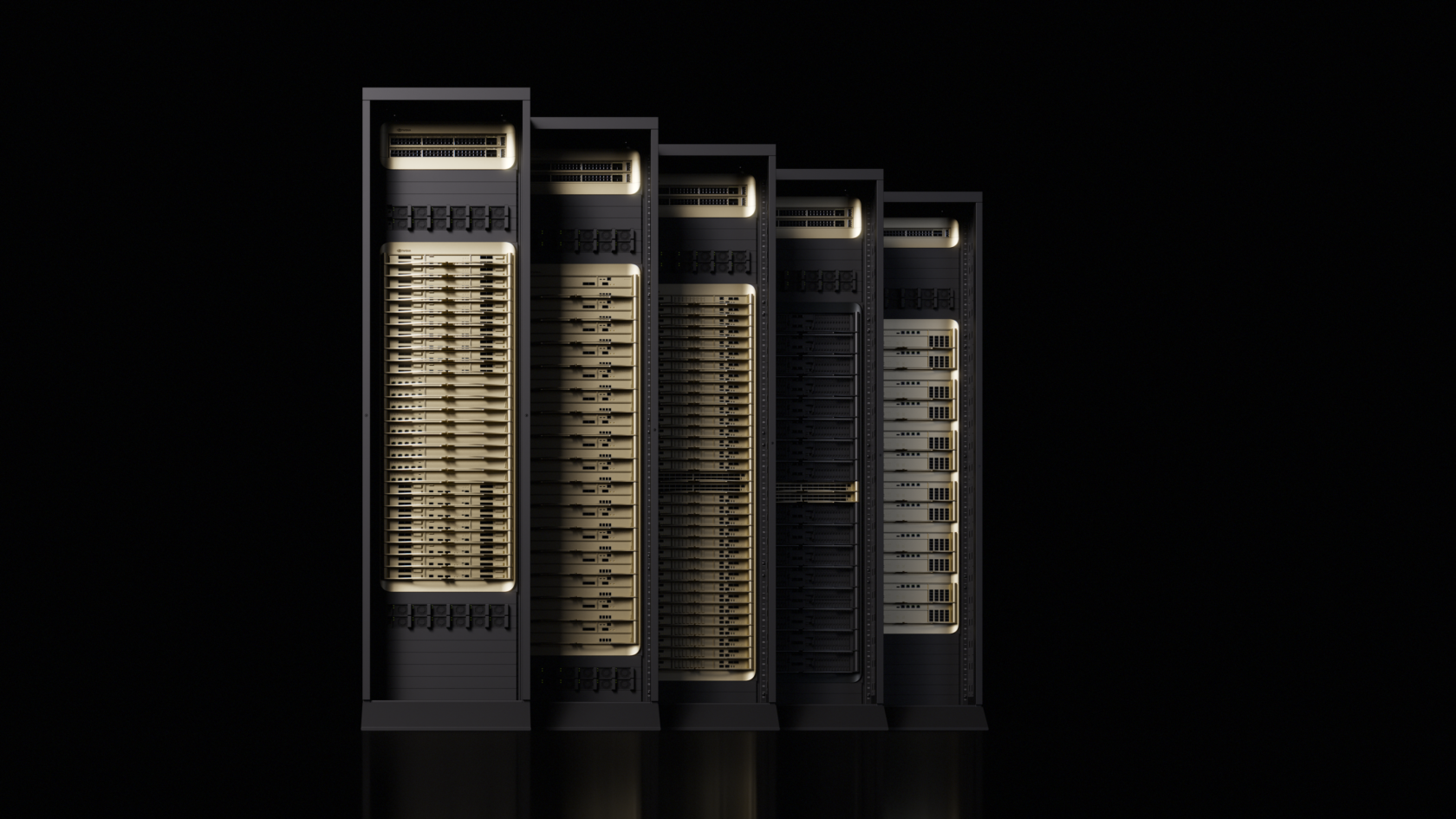
NVLink Fusion is less about custom silicon than letting custom silicon inherit a mature rack, network, cooling and software envelope.

NVIDIA is splitting long-context inference between Rubin GPUs for context work and Groq LPX for decode, treating token latency as a rack-level problem.

NVIDIA’s Vera Rubin efficiency story uses agent-shaped workloads, but its largest comparison is still an internal, pending-review result.

AgentX reframes inference benchmarking around sustained interactive sessions, exposing why fixed-length token tests miss the power and latency problem.

DSX MaxLPS treats stranded rack power and cooling overhead as capacity, aiming for more inference output without a larger grid connection.

BlueField-4 expands the DPU role from packet offload to an independent security, storage and control domain around AI compute.

NVIDIA’s Vera CPU argument is that agent sessions are latency-bound chains with brief parallel bursts, not simply a race for core count.

Specialized decode hardware turns long-context latency into a compiler and networking contest rather than merely a model contest. The limits of the evidence are as important as the headline announcement.

A school’s traffic-light rules offer practical governance by making acceptable AI assistance explicit for each assignment rather than pretending prohibition is enforceable.

The data-efficiency gap points toward embodied, active and social learning rather than indefinitely larger text corpora. The limits of the evidence are as important as the headline announcement.

Memory, supervision and feedback can matter as much as the foundation model in long-horizon agent results. The limits of the evidence are as important as the headline announcement.