5 Companies Using NVIDIA AI for Clean Energy
Sep 21, 2026, 3:00 AM · NVIDIA Blog
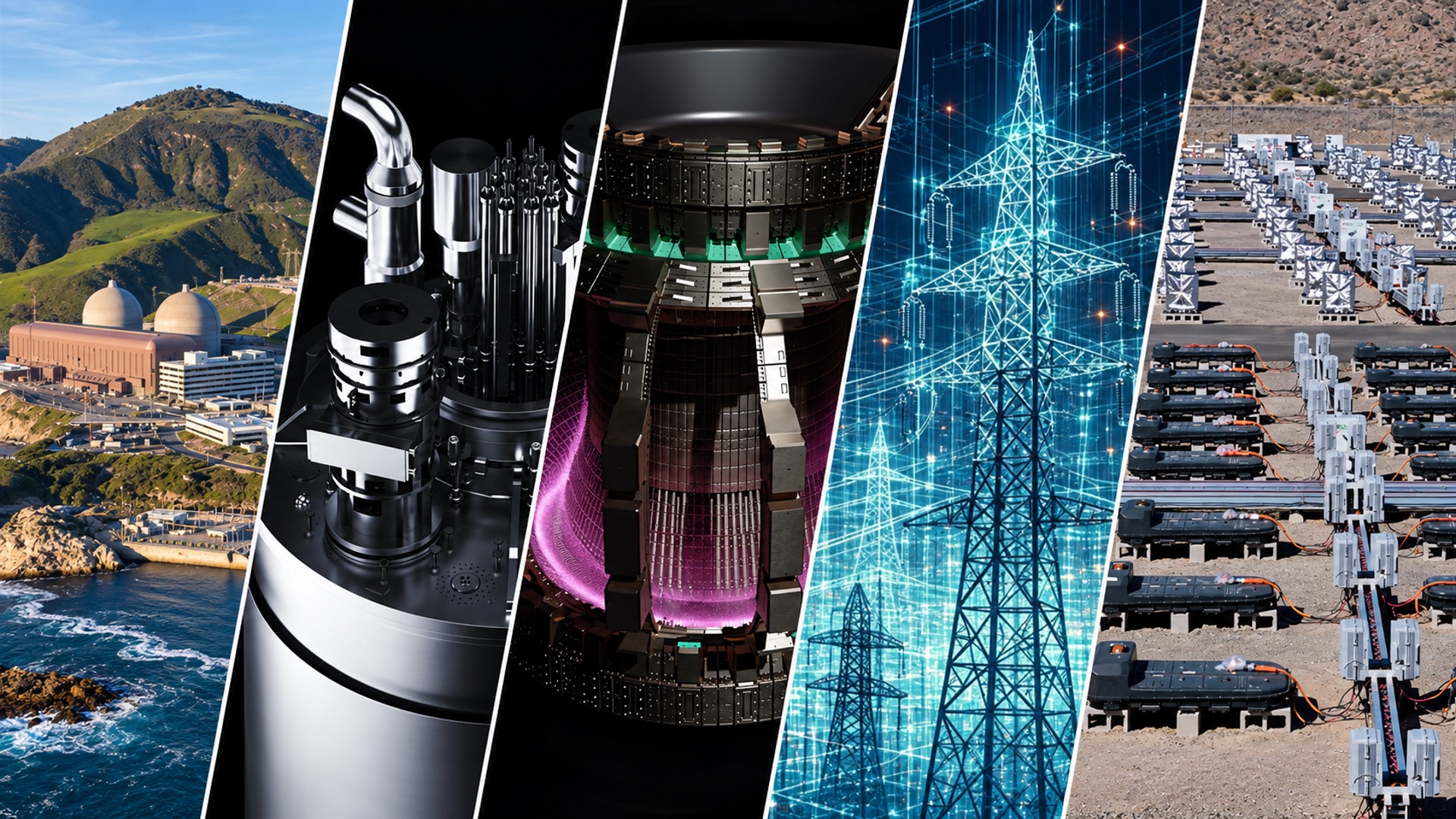
At Climate Week, NVIDIA is selling a clean-grid pitch that also solves its own power problem — and a few of the numbers are hard to ignore.
Why it matters
Clean energy scale-up has been stuck on old infrastructure, long R&D cycles, and capital. NVIDIA’s Climate Week showcase frames AI as the accelerator: digital twins for grid interconnection, nuclear ops knowledge layers, recycled EV batteries for AI factories, advanced reactors, and fusion design compression.
We’re watching because the story cuts both ways. The same industry driving electricity demand is funding tools that might ease interconnection and plant delivery. If those tools work at utility scale, the bottleneck moves from computation to permitting and capital. If they don’t, the marketing outruns the megawatts.
From the desk
The sharpest claim on the page is operational, not aspirational. Southern California Edison used ThinkLabs software — digital twins and agents on NVIDIA CUDA — to cut interconnection application review from 30–45 days to about two minutes. That is the kind of bottleneck that keeps solar and storage from plugging into a stressed grid. If utilities can trust the simulations, interconnection stops being a paperwork graveyard.
Atomic Canyon’s Neutron and NIVA push the same logic into nuclear: procedures, licensing, operating experience, and design records as a queryable knowledge layer for operators. Nuclear already supplies about 20% of U.S. electricity. The bet is that AI assistance can help the fleet scale without inventing new physics — which is useful if the outputs stay auditable and operators stay in the loop.
Redwood Materials is the most self-interested piece of the package, and we’re fine saying so. AI factories need power faster than new transmission arrives. Repurposed EV batteries plus an NVIDIA Blackwell control layer as onsite storage is a pragmatic workaround: months instead of years, fewer transformers and inverters in Redwood’s telling. Useful AI here means matching training load spikes without waiting for a substation. The risk is lock-in — data centers that “solve” power with private storage while public grid upgrades still lag.
TerraPower’s Natrium (sodium-cooled, atmospheric pressure, passive cool-down) and Commonwealth Fusion’s SPARC/ARC timeline sit further out. Omniverse digital twins for siting and design compression — CFS talks about years of experimentation into weeks, SPARC magnets enabling a much smaller machine, ARC aimed at Chesterfield County, Virginia in the 2030s — are serious engineering stories. They are also still pre-grid. We’re not treating Climate Week slides as operating capacity.
Our read: advocate the interconnection and ops tools hard when utilities publish before-and-after metrics. Stay skeptical of fusion-and-reactor marketing until first electrons hit the wire. The honest trajectory if this becomes normal is a grid that plans in probabilities and agents, which helps renewables and nuclear — and also lets AI demand grow even faster. Both can be true.
Context
NVIDIA is highlighting five Inception and partner companies at New York Climate Week: ThinkLabs AI, Atomic Canyon, Redwood Materials, TerraPower, and Commonwealth Fusion Systems. The post ties CUDA, Blackwell, Omniverse, and OpenUSD into grid twins, nuclear assistance, battery systems, reactor digital twins, and fusion design.
Who feels it
- Utilities and grid operators
- Interconnection automation and probabilistic twins could shrink review queues — if regulators accept the method and error rates stay visible.
- AI infrastructure buyers
- Onsite recycled-battery storage is a near-term hedge against slow grid builds, not a substitute for transmission policy.
- Nuclear and fusion developers
- Digital twins may compress design and siting timelines; licensing and public trust still set the pace.
- Climate advocates
- Useful when AI shortens clean interconnection; harmful if it mainly green-lights more AI load without shared grid investment.
What to watch
- Whether more utilities publish ThinkLabs-style interconnection time cuts beyond Southern California Edison.
- Atomic Canyon / NIVA adoption across the U.S. nuclear fleet and any regulator guidance on AI-assisted ops.
- Redwood Materials AI-factory deployments moving from months-claim to named megawatts online.
- CFS SPARC milestones and TerraPower Natrium siting progress versus the 2030s ARC narrative.
Companies: NVIDIA