
AIOct 16, 2026NVIDIA Developer
Code, Test, and Deploy on One Machine with NVIDIA RTX Spark
NVIDIA’s RTX Spark pitch: GB10 SoC, up to 128GB unified memory, and local coding agents that don’t need a cloud VM for every loop.
Company file
NVIDIA designs GPUs and software used to train and serve large models.
Tools: NVIDIA NIM
NVIDIA’s RTX Spark pitch: GB10 SoC, up to 128GB unified memory, and local coding agents that don’t need a cloud VM for every loop.

Ex-NVIDIA robotics marketer Amulya Vishwanath says we’re in robotics’ “Lego era” — blocks first, ChatGPT moment later.

Same Equity conversation, wider lens: Vishwanath’s Techable bets treat physical AI as robots plus materials and life sciences.

The Verge’s early RTX Spark laptop tour: NVIDIA’s new SoC is in Windows machines from six makers — and the local-AI pitch is finally on metal.
MarkTechPost’s take on Nemotron 3.5 Super VL: 120B open multimodal MoE, 12B active, 1M context, NVFP4 weights aimed at agents.

NVIDIA’s serving note: Muse Spark Open trained on GB300 NVL72, NVFP4 for Blackwell, claims up to 50K tok/s per GPU for agentic coding.
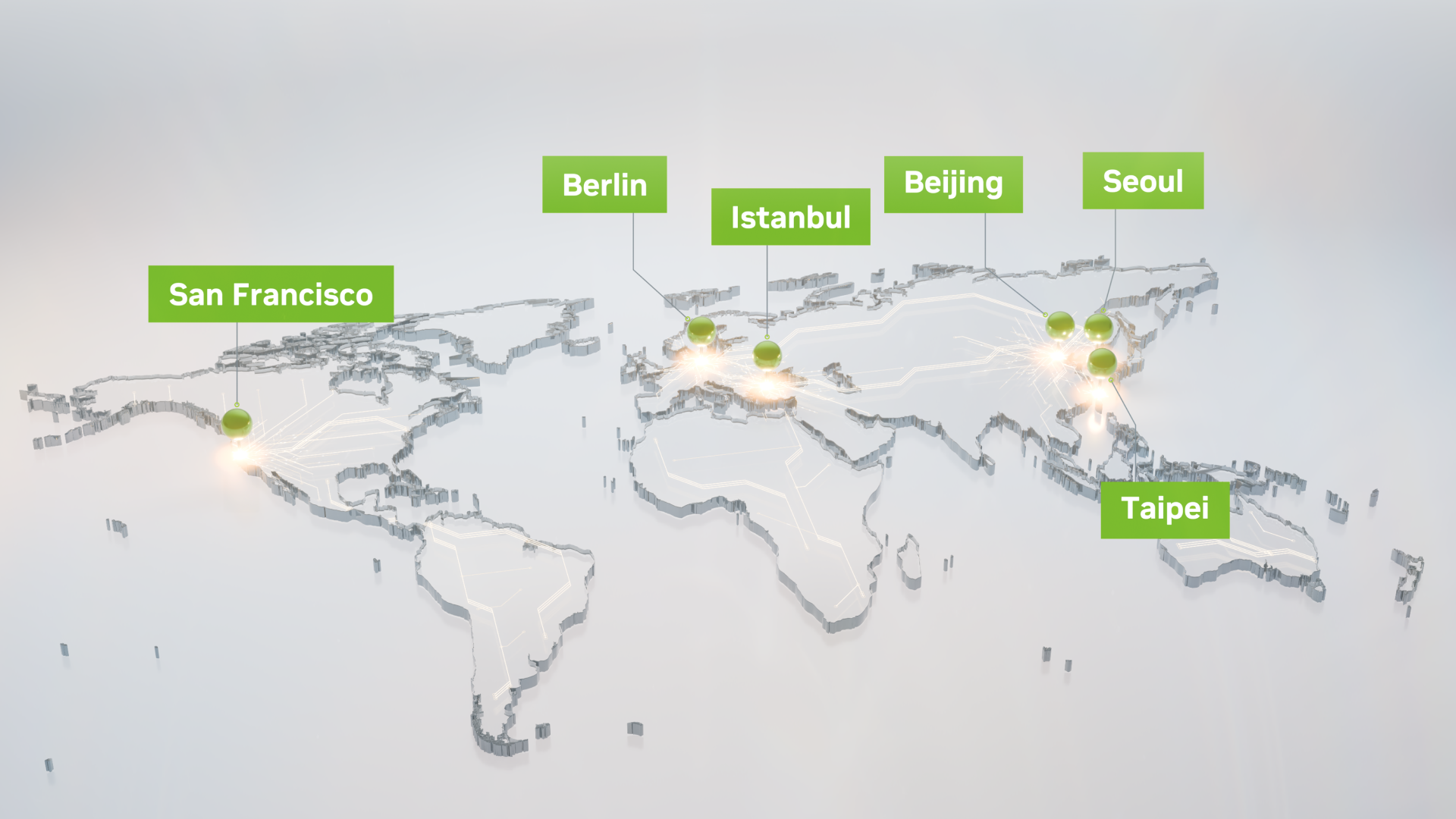
NVIDIA’s launch-day invitation: RTX Spark Windows PCs for creators, gamers, and agents — plus #ShareYourSpark and world events.
NVIDIA’s Nemotron 3.5 Super VL (120B open) plus Bolt edge models aim to cover always-on agents from server rack to RTX laptop.

NVIDIA folds vision, documents, video and tool use into one open 120B mixture-of-experts model, betting enterprises would rather post-train a single agent brain than stitch several together.

Microsoft's prep for Nvidia's Arm-based RTX Spark laptops shows where the AI PC is heading: two-click local agents, tuned emulation, and a delayed Recall.
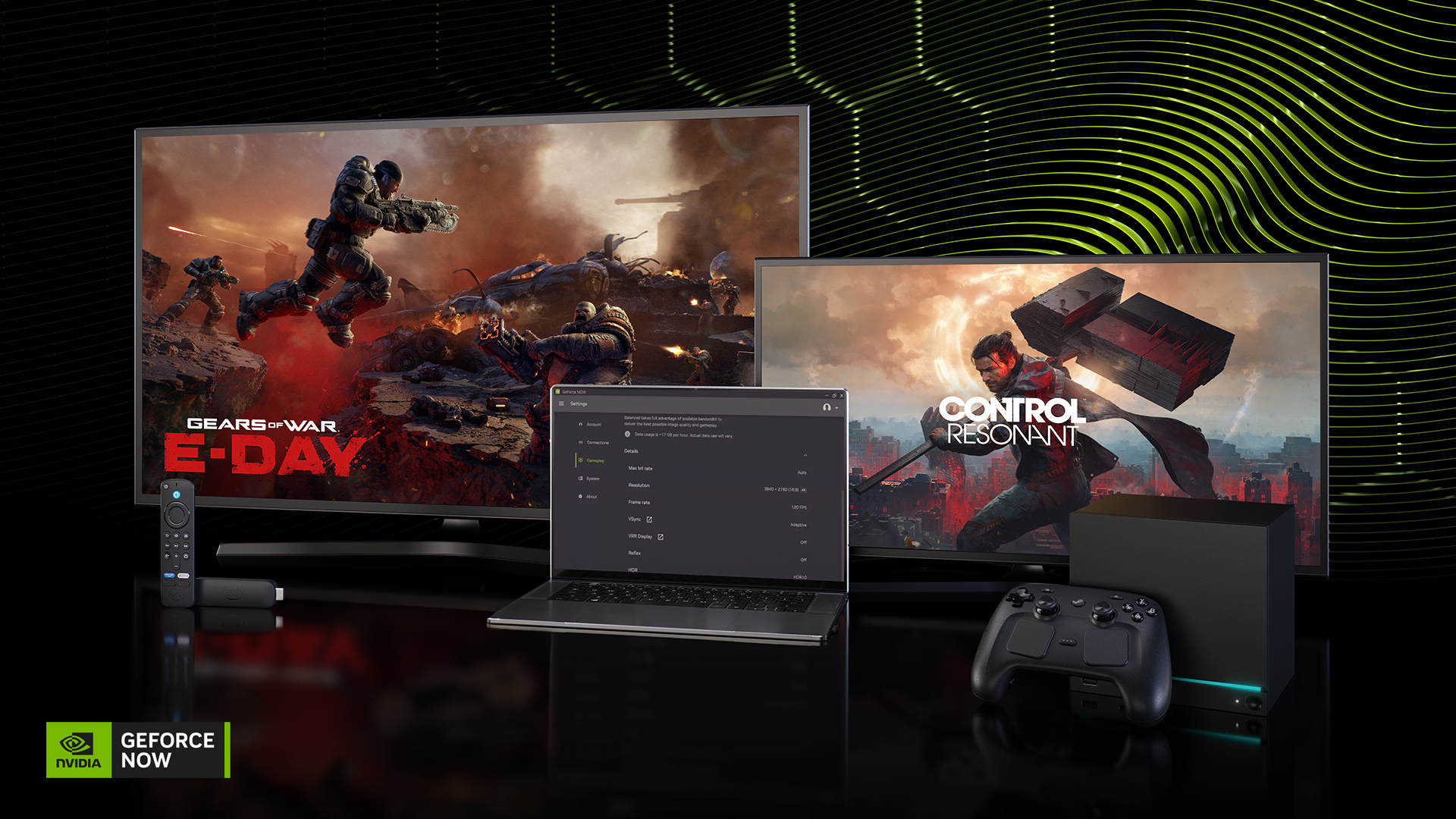
GeForce NOW hands members DLSS 4.5 controls, letting cloud gamers tune AI upscaling and frame generation without owning the latest hardware.
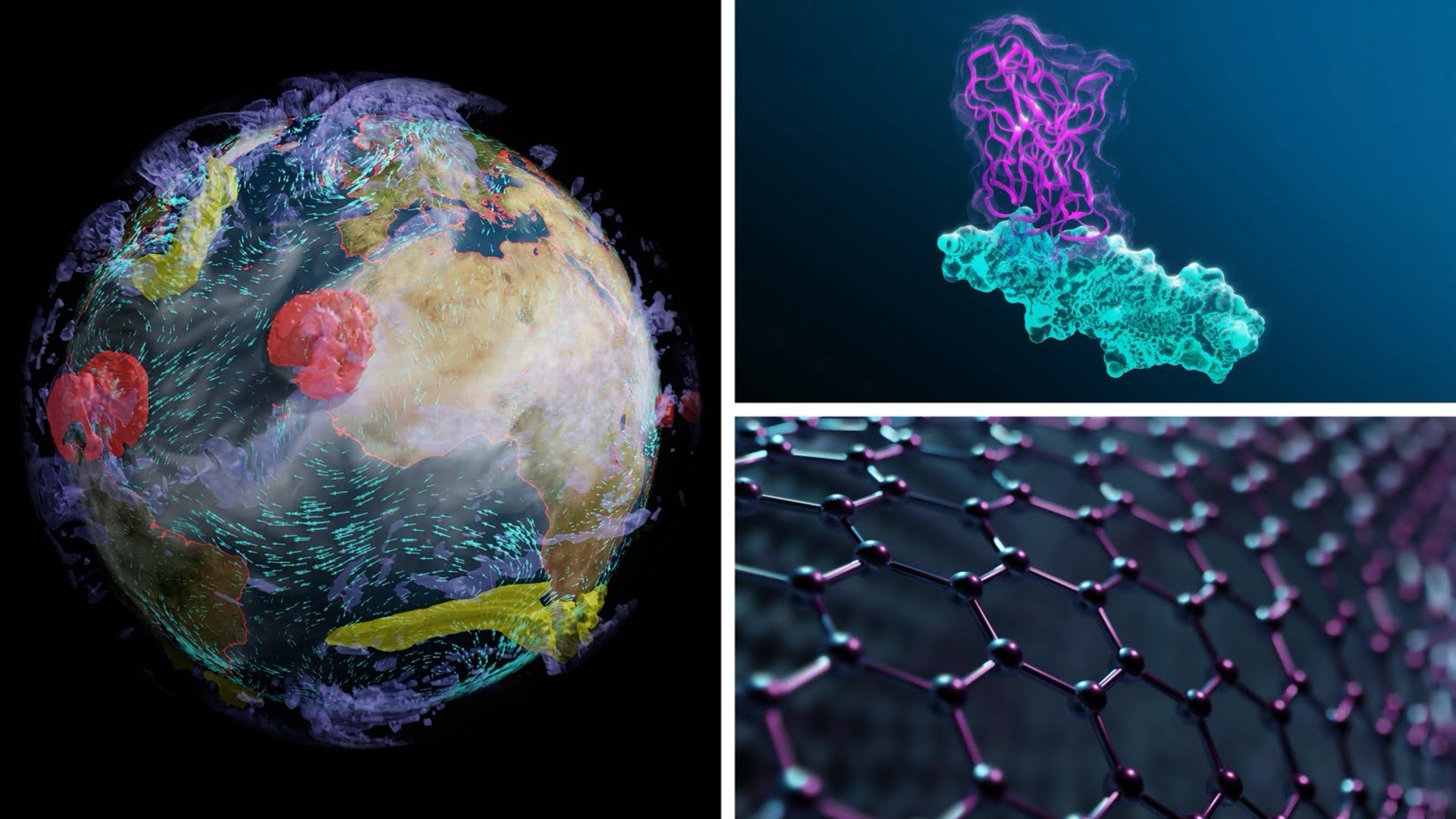
NVIDIA joins the EU's new AI in Science Enablers push, pledging open models, free courseware and startup compute routes through Europe's national AI factories.

NVIDIA's Nordic roundup — a shared Swedish supercomputer, open-model startups, autonomous trucks — reads as a pitch for regional AI built on its stack.

Siemens EDA lifted its chip-characterization agent from about 55% to 95% on a verified benchmark by grading final artifacts, not individual steps — a lesson for every engineering agent.
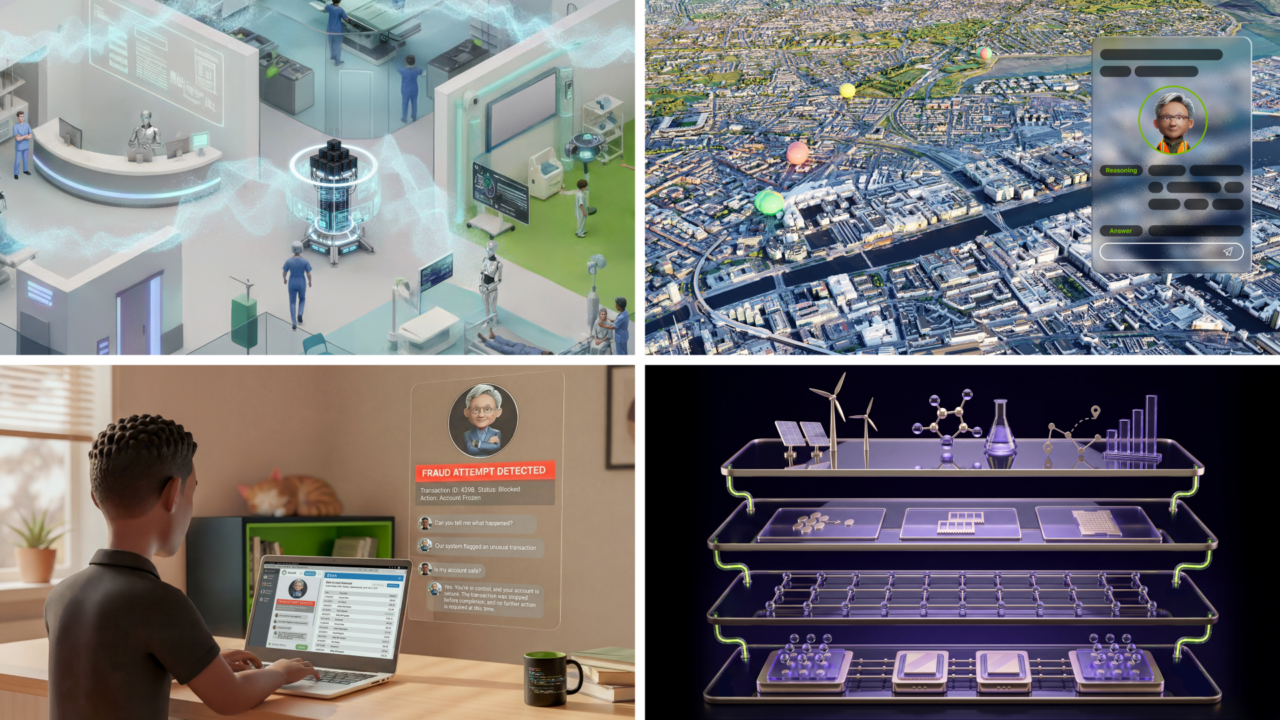
NVIDIA’s UK tour is less about one model and more about a full stack landing in hospitals, banks, cities, and climate prizes—with a $250 million compute pledge attached.
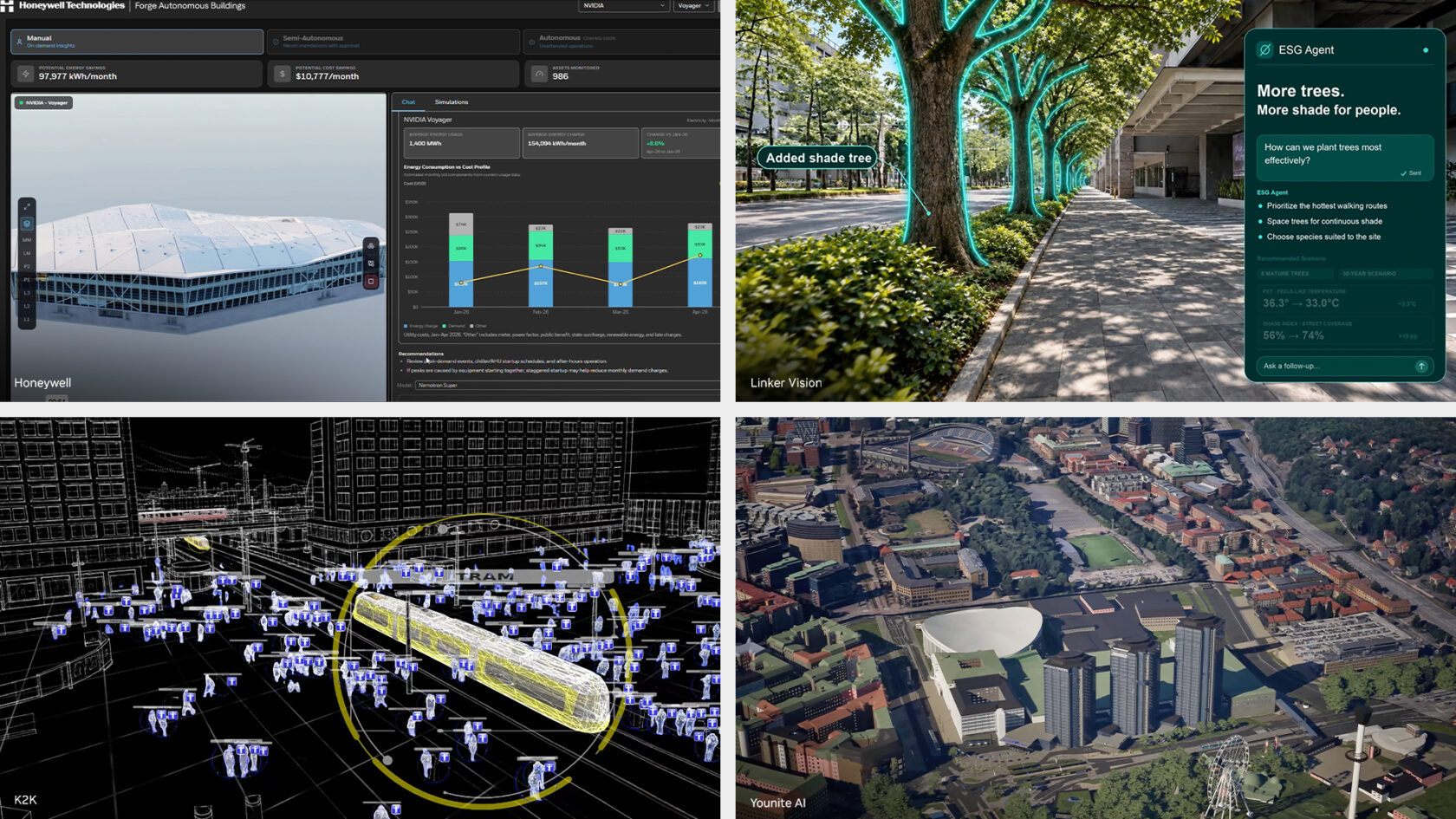
From Liverpool to Côte-d’Or to Milan, NVIDIA is wiring city operations to Cosmos, Nemotron, and local AI factories—useful if the pilots survive procurement and privacy reality.

NVIDIA’s cuDF Spark skills turn UDF rewrites into an agent loop—and one production example cut operator time from 274.55 hours to 12.78 on a 600-billion-row job.

NVIDIA is open-sourcing the full Run:ai stack as the orchestration layer for DSX AI factories — and eight cloud and platform partners are already wiring it in.

Nvidia's new Hogwarts Legacy comparisons show a quieter DLSS 5 — subtler faces, lighter environments — after the March demos turned into a meme.
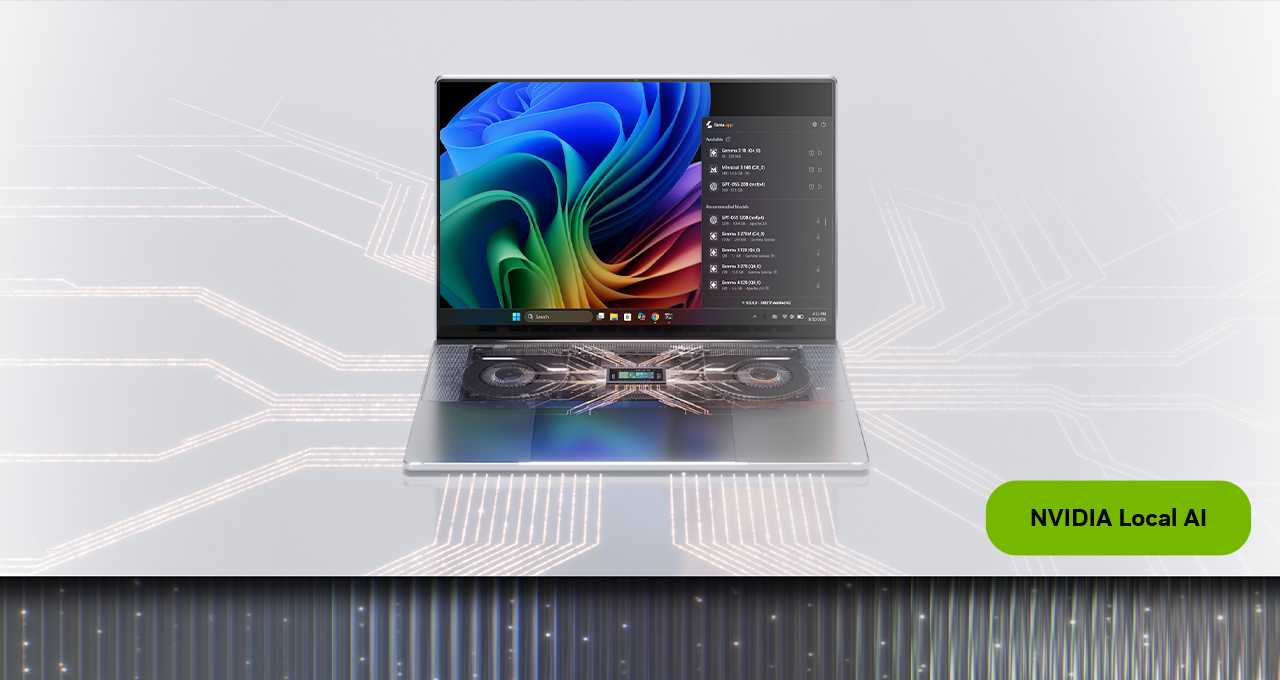
Three days before RTX Spark laptops ship, NVIDIA is lining up the software story, and the real bet is that local agents, not games, become the reason people buy the machine.

NVIDIA's roundup of French AI deployments reads like a sales deck, but underneath it is a real story about Europe trying to own more of its AI stack.

NVIDIA and Princeton’s Dao lab cache SSM inputs instead of full state, cutting decode traffic roughly in half and making speculative decoding work for hybrid models that were stuck on bandwidth.
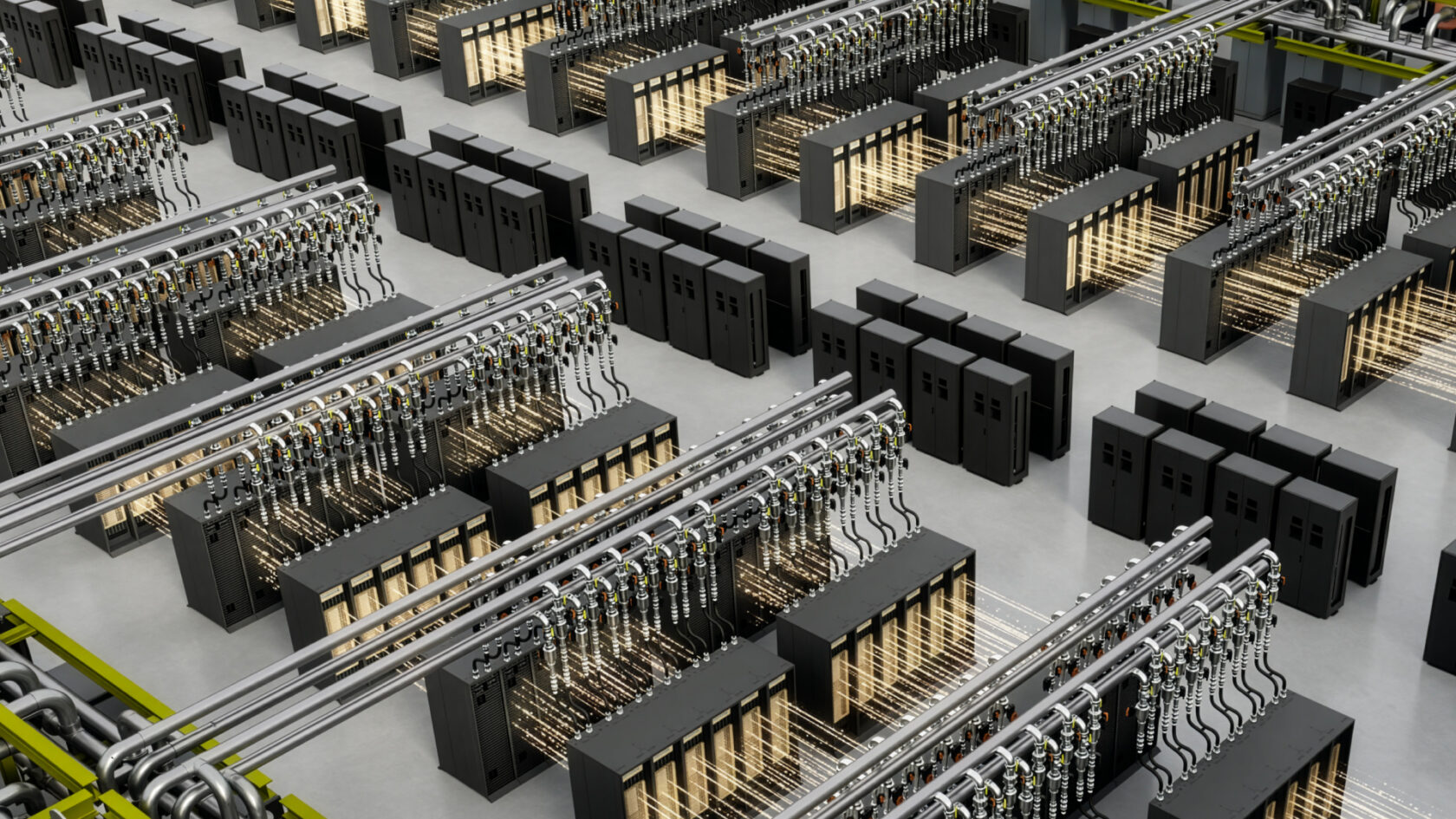
NVIDIA is handing its Vera Rubin rack blueprints to the open hardware world, and the real story is power, cooling and grid behavior becoming shared rules instead of private deals.

Microsoft says its Maia 300 chip will become the main engine behind its own AI services from 2027, a serious bet that owning silicon beats renting it from Nvidia.
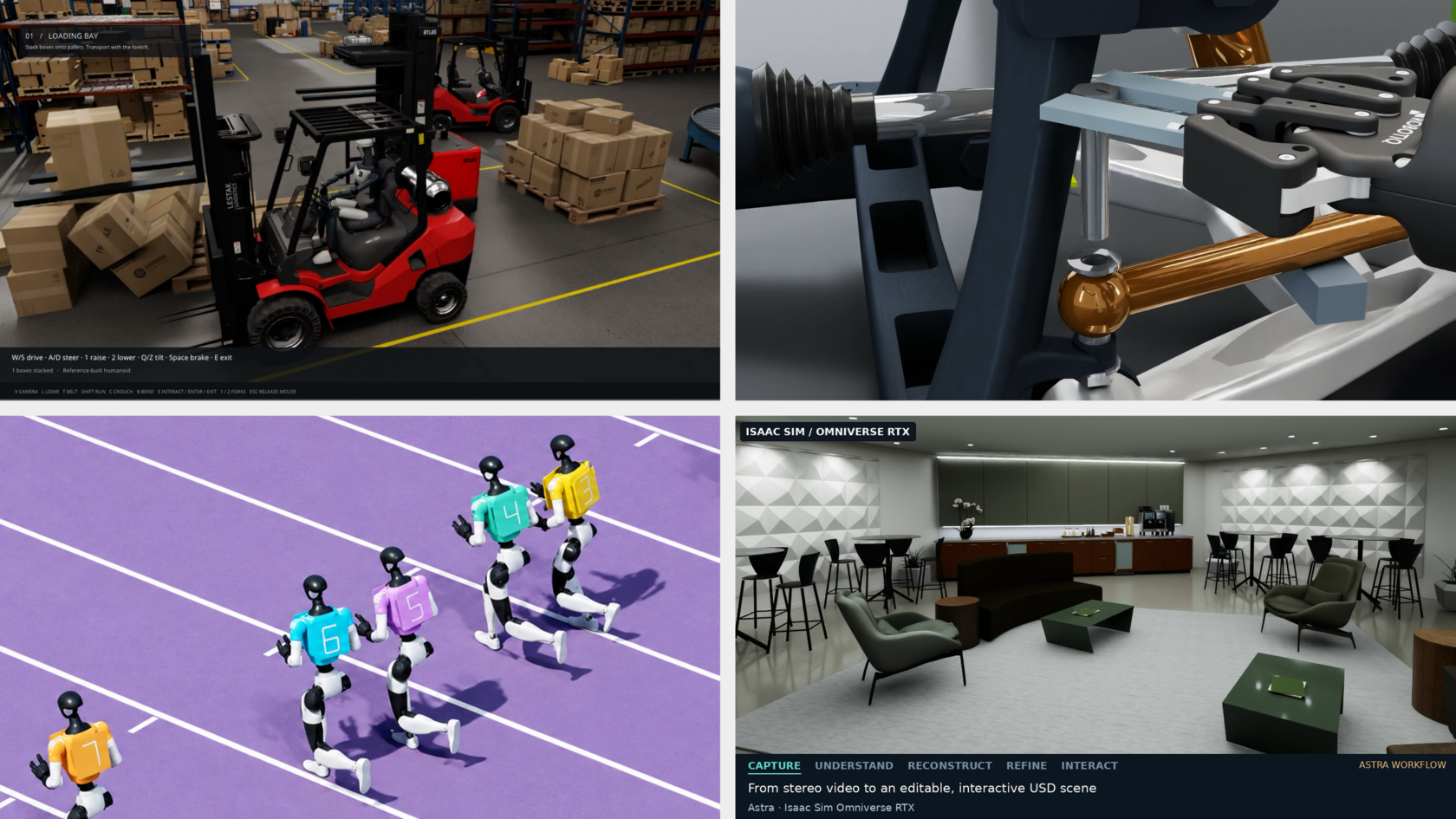
NVIDIA's showcase of agents building robot and driving simulators is genuinely useful, but every example comes from its own staff, and simulation is only as honest as the gap to reality.

NVIDIA's SimReady walkthrough shows AI agents doing the grunt work of turning CAD files into simulation-ready robots, and it is refreshingly upfront that simulated success is not real-world proof.

NVIDIA's second-place KDD Cup team made a small model reliable by shrinking what the agent could do, and that lesson matters more than any leaderboard spot.
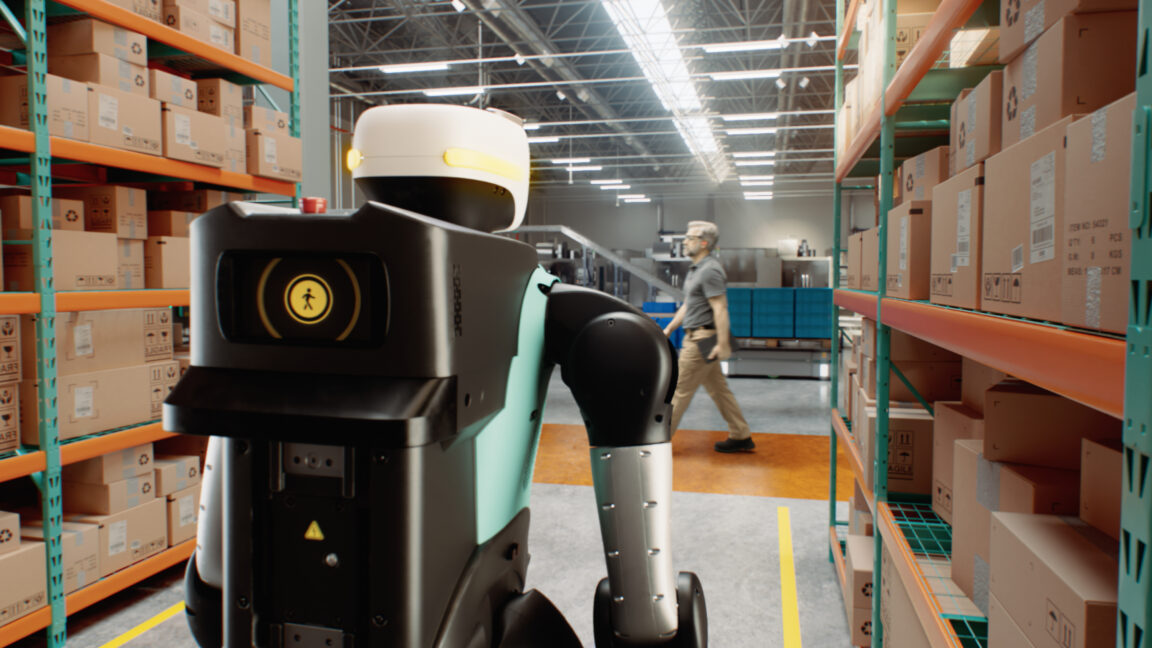
Nvidia wants to sell the safety layer for robots working beside people. That could speed up careful deployments, and it could also make one company the default arbiter of what safe means.
NVIDIA-led research finds most failed agent runs hinge on one early wrong turn, and shows agents can be trained to climb back out. That is the reliability problem worth solving.

The pricey Nvidia-powered Surface machines are the headline, but the bigger move is a Windows feature to sandbox AI agents, and that one ships to everyone.