European Cities Deploy NVIDIA-Powered AI Agents to Run Smarter Urban Operations
Oct 13, 2026, 11:00 PM · NVIDIA Blog
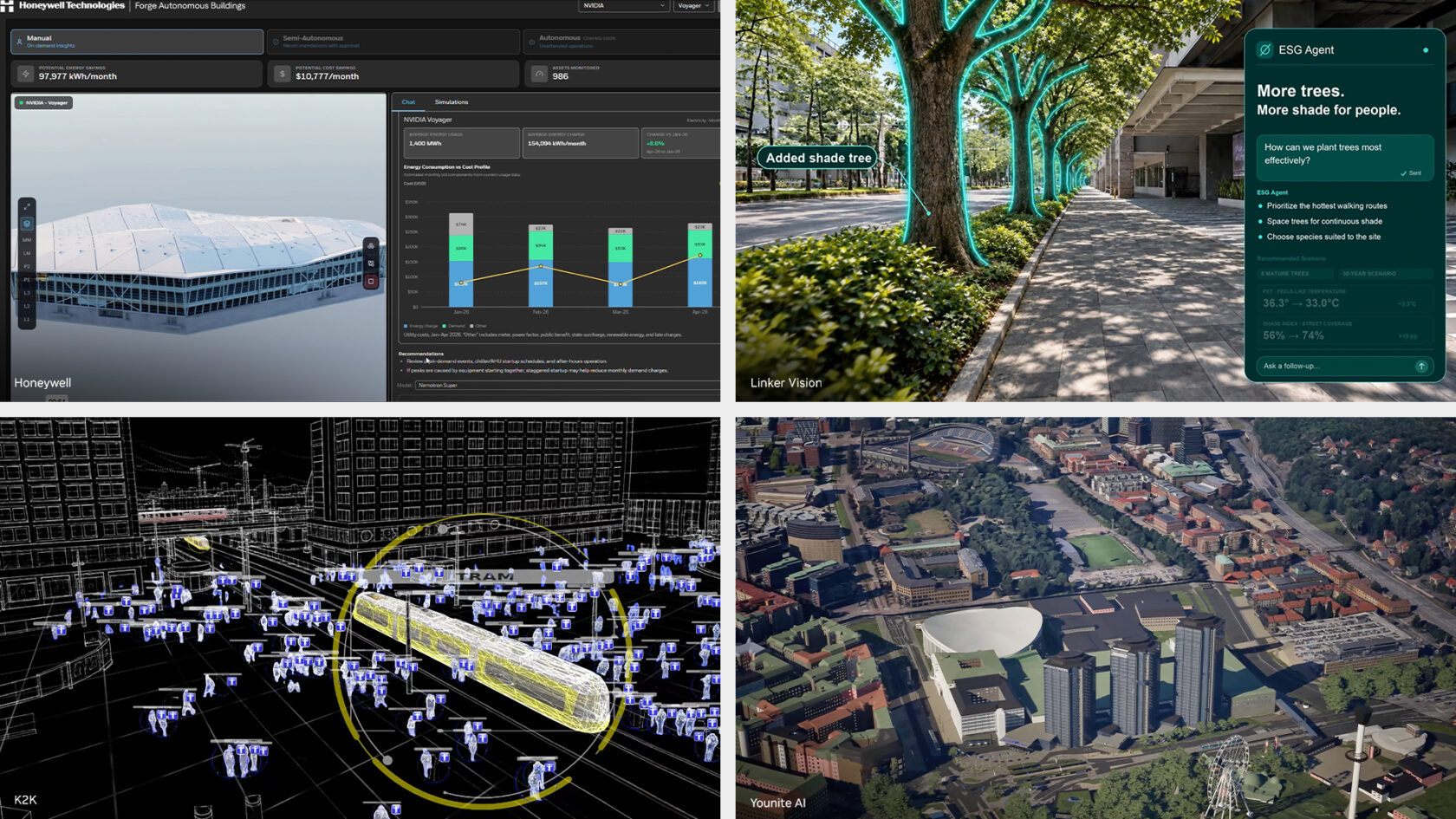
From Liverpool to Côte-d’Or to Milan, NVIDIA is wiring city operations to Cosmos, Nemotron, and local AI factories—useful if the pilots survive procurement and privacy reality.
Why it matters
NVIDIA says cities and partners across EMEA are building physical AI agents and digital twins on its accelerated computing, Cosmos open models, Metropolis video search blueprint, Nemotron models, and Omniverse libraries. Named efforts span the UK’s Liverpool City Region, Jersey, and Belfast; France’s Côte-d’Or department and Port Sud de France; Italy’s Milan-area municipalities; Belgium’s Port of Antwerp-Bruges; and Gothenburg’s Citiverse work in Sweden.
One concrete claim: in Côte-d’Or, agents built with Akila and ThinkDeep across more than 500 public buildings cut document search time from weeks to minutes and reduced total operating costs by 10%, with a 30% target at scale. Milan-area deployments with Galene.AI emphasize local operation, citizen chatbots, and faster access to municipal data.
System builders including Cisco, Dell, HPE, Lenovo, and Supermicro are packaging local AI factories so cities can customize models while keeping data on premises. NVIDIA points attendees to Smart City Expo in Barcelona, November 3–5.
From the desk
City IT has heard every smart-city promise of the last decade. What feels different here is the stack: video-understanding agents, digital twins, and on-prem “AI factories” sold as sovereignty rather than a cloud chatbot bolted onto a 311 line.
We’re open to that if the numbers hold. Cutting building-operations document search from weeks to minutes is the unsexy win that actually changes a facilities team’s week. Port agents that flag hazardous-cargo handling or oil-spill scenarios with synthetic training data sound like the right use of scarce real incident footage. Local governance of data is the non-negotiable—especially in Europe.
The failure mode is familiar. Pilots multiply, dashboards glow, and then the integration budget dies. NVIDIA’s partner list is long; accountability for bad alerts, biased enforcement tooling, or surveillance creep still sits with the city. Video agents that spot “safety hazards” can slide into policing functions without a public debate. We’re for maintenance and energy agents. We’re wary of quiet mission creep into resident monitoring.
Net: this is one of the clearer pictures of agentic AI leaving the demo and entering municipal ops. We’ll judge it on published KPIs, open procurement, and whether residents get a say before the cameras and twins become permanent.
Context
Municipalities are under pressure to cut costs and improve services while meeting European data-protection expectations. Vendors are pitching on-prem agentic systems and digital twins as a path that keeps sensitive city data local.
Who feels it
- City governments
- Operational agents may cut costs and response times, but demand clear limits on surveillance and vendor lock-in.
- Residents
- Better services are the upside; opaque video analytics and data practices are the risk.
- Integrators and ISVs
- A growing market for vertical city agents—if they can prove repeatable deployments beyond pilots.
- Infrastructure vendors
- Local AI factories become the hardware story attached to every smart-city pitch.
What to watch
- Whether Côte-d’Or’s 10% operating-cost cut and 30% target are validated publicly
- How Liverpool, Belfast, and Jersey pilots define success for mobility and safety agents
- Procurement and privacy reviews as cities scale from pilot to production
- Announcements at Smart City Expo World Congress in Barcelona
Companies: NVIDIA