European Leaders Turn to NVIDIA Vera CPUs to Build Local Infrastructure
Oct 20, 2026, 3:30 AM · NVIDIA Blog
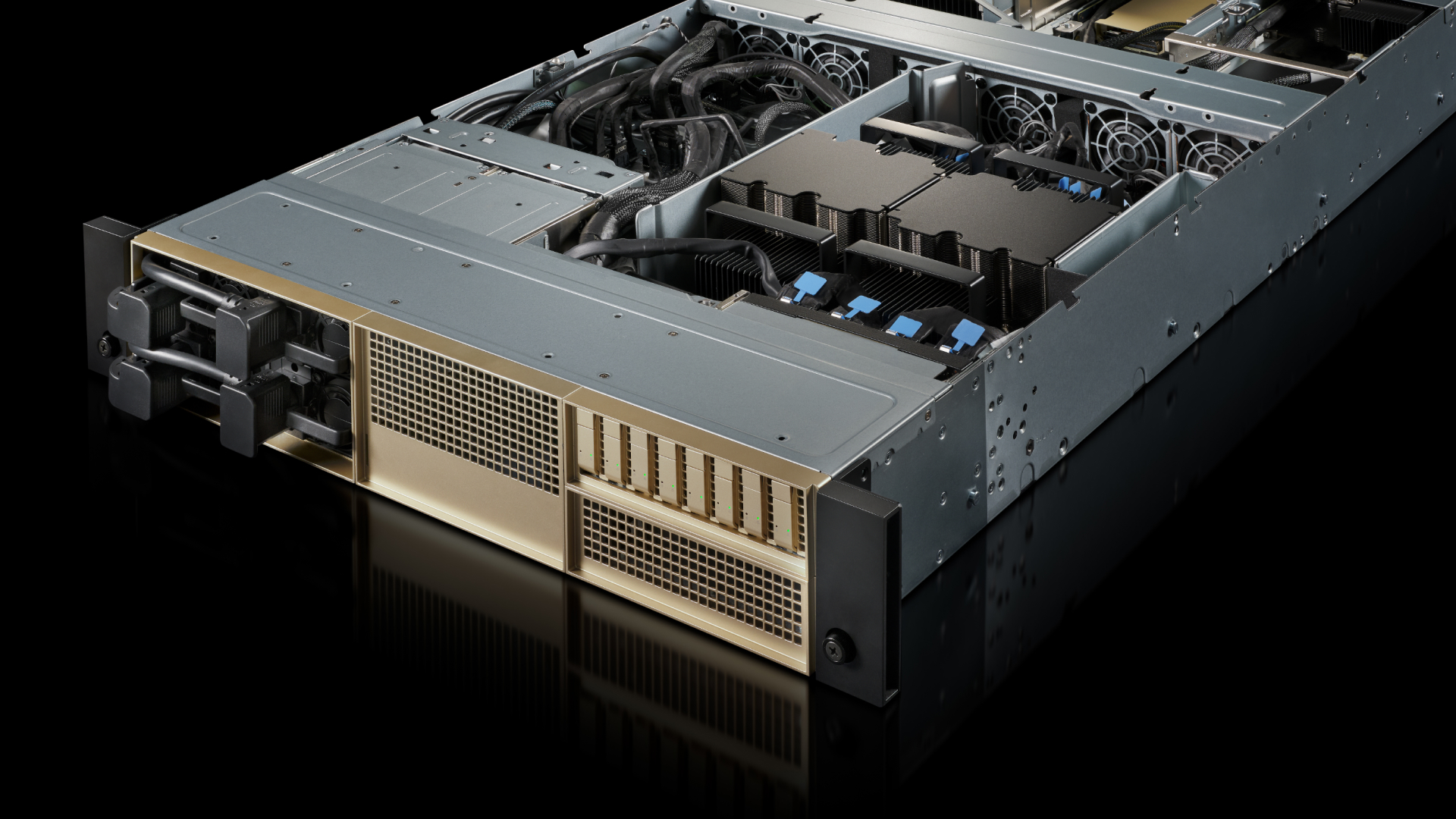
Agents spend much of their time running code and tools, not generating text, and NVIDIA is pitching its Vera CPU as the engine for that work, with a long list of partners behind it.
Why it matters
At GTC Berlin, NVIDIA named a wide set of companies building with its Vera CPU: AI clouds Nebius, Nscale and Verda; sovereign infrastructure provider Aleria; server makers Bull, Dell, HPE, Lenovo and Supermicro; data companies including ClickHouse, Elastic, Polars, SAP and Starburst; and agent sandbox providers such as Daytona, E2B, Modal and Vercel.
The argument underneath is the important part. Agents do not just produce answers; they retrieve information, execute code, call tools and check results, and every one of those steps runs on a CPU. As agent fleets grow, that CPU work becomes a real bottleneck.
From the desk
We think NVIDIA is right about the bottleneck, and it is a useful correction to the idea that AI infrastructure is only about GPUs. Sandboxes for agents spin up constantly, and NVIDIA says they do so millions of times a day across providers. When startup time compounds at that scale, per-core speed and memory bandwidth matter. It is notable that sandbox companies are lining up here, because they live or die on exactly this.
Two details stood out. Nous Research says it uses Vera to authenticate agent identities and validate each action before it runs. That is the kind of control layer we want to see grow alongside agent autonomy, and it is good to see compute spent on safety checks rather than only on throughput. And the data companies' results, several of which link to their own benchmark posts, give this more substance than a pure partner list.
Still, this is a vendor announcement, and "strong results in early testing" is not a number. We would like to see head-to-head comparisons against established server CPUs on cost and power, not just speed.
The bigger theme is the Europe framing. NVIDIA is pitching Vera as part of local and sovereign infrastructure, with European clouds and Aleria in the mix. There is a tension there. Sovereignty usually means control over where data lives and who operates the systems, and on that front local providers are a real gain. But if the CPUs, GPUs, networking and software all come from one US company, sovereignty over the stack itself is limited.
Where this leads if it scales: NVIDIA moving from the accelerator in the data center to the whole computer, including the general-purpose chips that run everything else. That is efficient for buyers in the short run and concentrating in the long run. We are watching whether Europe's sovereign AI push builds real alternatives or simply hosts the same vendor locally.
Context
NVIDIA says Vera can run in standalone CPU servers or alongside its GPUs, and credits its per-core performance, LPDDR5X memory bandwidth and Scalable Coherency Fabric for the early gains. Atlassian plans to use it for building semantic search indexes; Inherent is evaluating it for agent-assisted scientific research. No pricing or availability dates were given in the post.
Who feels it
- Agent platform builders
- Faster sandbox startup and tool execution could cut latency and costs for agent workloads.
- European cloud providers
- Vera gives them an NVIDIA-aligned CPU story for sovereign offerings, at the cost of deeper single-vendor reliance.
- Incumbent server CPU makers
- NVIDIA is now targeting the general-purpose compute market directly, with major server makers on board.
- Security teams
- Using compute to verify agent identity and validate actions is a pattern worth adopting as agents gain permissions.
What to watch
- Independent cost and power comparisons between Vera and established server CPUs
- Availability and pricing of Vera systems from Dell, HPE, Lenovo and others
- Whether European sovereign providers pair Vera with non-NVIDIA alternatives
- Broader adoption of pre-execution checks on agent actions
Companies: NVIDIA