Firebird Launches CIS Region’s Largest AI Factory in Armenia
Aug 8, 2026, 3:24 AM · NVIDIA Blog
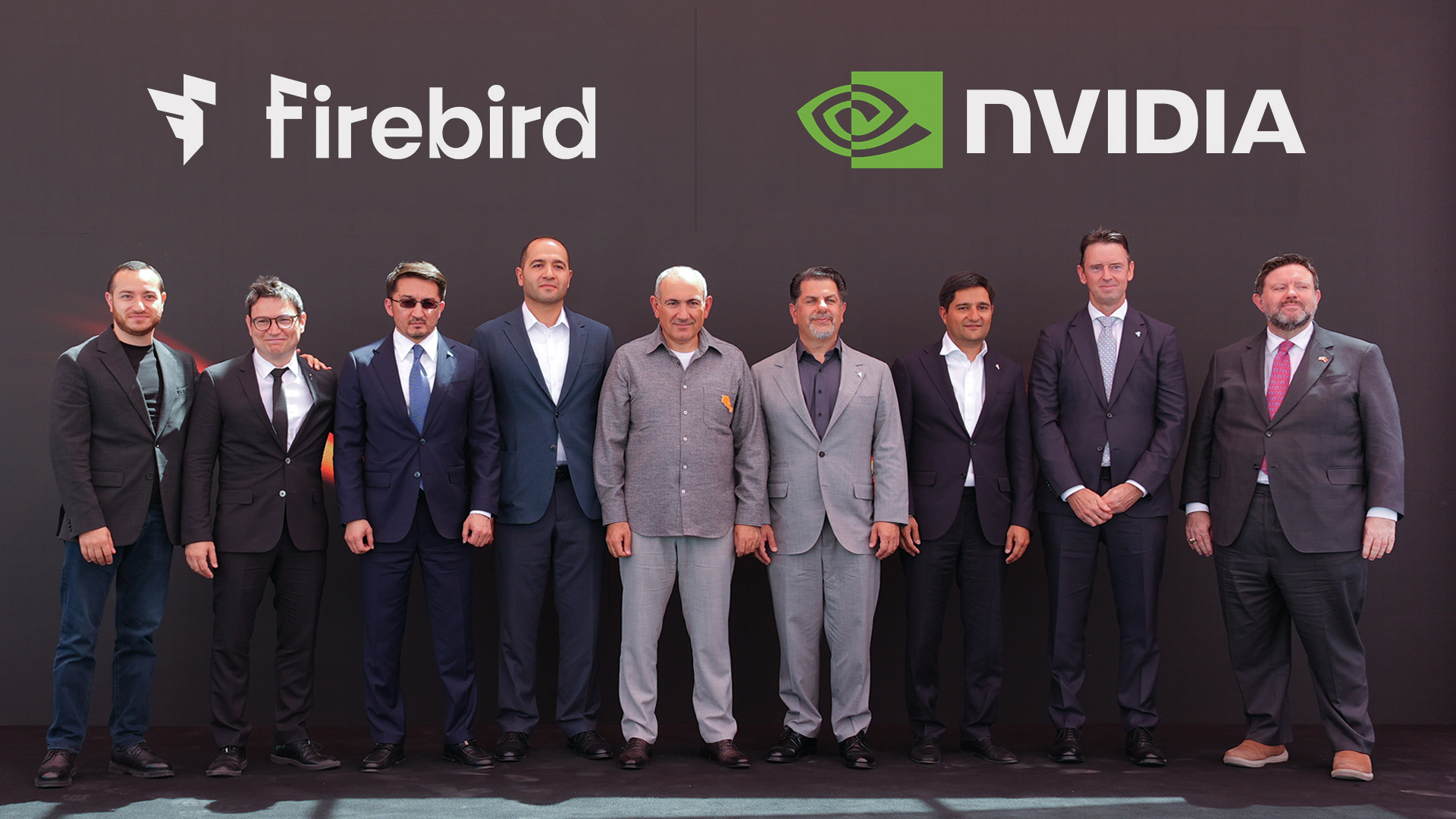
Armenia’s new compute hub is a sovereignty play wrapped in an export ambition, but the announced 2027 scale far exceeds the operating proof disclosed.
Why it matters
Firebird opened what NVIDIA calls the CIS region’s largest AI factory in Armenia, using NVIDIA accelerated computing and Dell infrastructure. Firebird plans more than 70,000 Rubin and Blackwell GPUs and 300 megawatts of capacity in Armenia by the end of 2027.
The company’s broader roadmap targets roughly two gigawatts across Armenia, Kazakhstan and other markets. NVIDIA intends to invest, following an investment by CoreWeave, and Perplexity is identified as an early customer. The first facility was delivered in just over six months, with Schneider Electric supplying power equipment and Vertiv cooling.
The build gives local developers, universities, businesses and public bodies access to domestic compute while seeking international workloads.
From the desk
The project combines two theses that do not automatically align: sovereign capacity for national priorities and globally fungible capacity sold to major AI customers. Local benefit depends on allocation and pricing, not simply on where servers sit.
Signal Desk's read: the 300-megawatt, 70,000-GPU target should be treated as a financing and execution test rather than present capacity. Power delivery, equipment supply and contracted demand must scale dramatically by the end of 2027. One named early customer is useful validation, but not enough to establish utilization for that footprint.
This is a vendor-authored NVIDIA post about a customer and prospective investment, making it both promotional and financially interested. Capacity, efficiency and economic-development claims are vendor-reported; project cost, current GPU count, customer commitments and investment terms are not disclosed.
Armenia could still gain strategic leverage if the site creates durable engineering, operations and research capability around the hardware. A compute enclave serving mostly foreign demand would produce a narrower development payoff.
Context
Countries increasingly treat domestic AI compute as infrastructure for language models, research and public services. Firebird’s design uses NVIDIA’s DSX reference platform and Dell servers, with power and cooling supplied by specialist infrastructure vendors.
The project’s geopolitical pitch is strongest if local institutions receive predictable access, training and research partnerships rather than merely co-located servers. Otherwise, national compute sovereignty risks becoming a hosting proposition with limited spillover into the domestic economy.
Who feels it
- Armenian developers
- Domestic capacity could reduce reliance on distant clouds, provided access and pricing favor local users.
- Infrastructure investors
- The project offers frontier-market growth with substantial construction, power and utilization risk.
- Regional governments
- A successful hub could prompt competing sovereign-compute programs across nearby markets.
What to watch
- Current operating capacity and utilization disclosed separately from the 2027 plan
- Permits, power milestones and equipment deliveries needed for 300 megawatts
- Investment terms and contracted customers beyond Perplexity
Companies: NVIDIA