From Chips to Skills, NVIDIA and Korea Expand Sovereign AI Collaboration
Nov 8, 2026, 9:00 PM · NVIDIA Blog
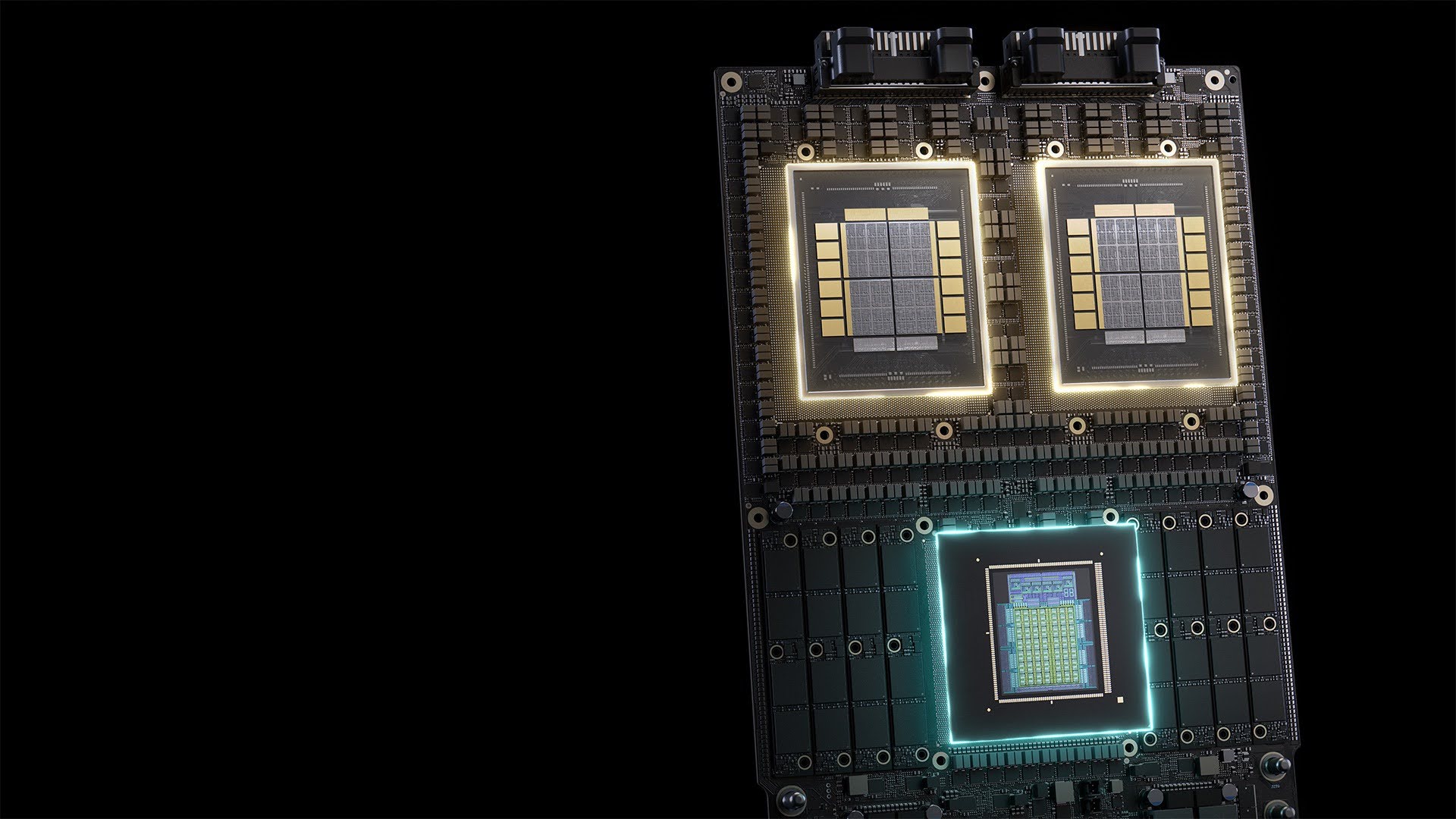
Nvidia is wrapping Korea's sovereign AI push in its own stack, from interconnect to training, and the open question is how sovereign that leaves the country's homegrown chip makers.
Why it matters
Nvidia and Korea's Ministry of Science and ICT are widening their partnership to cover nearly everything: chips, data centers, talent, startups, models, agents and security. That is not a single deal. It is a national AI strategy with one vendor threaded through every layer.
The most interesting piece is the invitation for Korean NPU and XPU makers to explore joining the NVLink Fusion ecosystem. Korea has its own accelerator ambitions, and this is the moment those companies decide whether to compete with Nvidia's platform or plug into it.
From the desk
We think this is a smart, pragmatic move for Korea in the short run. Training programs, certifications, hackathons and seminars aimed at getting more out of GPUs are the unglamorous work that actually turns hardware purchases into capability. Plenty of countries buy chips and then struggle to use them well. Investing in people is the useful part here.
The Dynamo piece fits the same pattern. Nvidia says it will work with three selected consortia and four Korean foundation model builders under the country's AI for All initiative to optimize and scale inference. Serving models cheaply is where national AI programs often stall, so help there is real.
But I'm watching the word sovereign. NVLink Fusion is Nvidia's interconnect. If Korean accelerator companies build to it, they gain access to a huge ecosystem, and they also anchor their roadmaps to a rival's standard. A separate collaboration with SK Telecom and Rebellions, supported by the ministry, points the same direction. That can be a ladder for domestic chip makers, or it can turn them into component suppliers inside Nvidia's house.
The downside if this scales globally is concentration. When governments each pursue sovereign AI through the same American vendor, the result looks less like many independent stacks and more like one platform with national branding. That raises exposure to export rules, pricing power and supply shocks that no single ministry controls.
Our read: good for Korean developers and model builders today, and an open bet for Korean chip independence tomorrow. The details of what participation in NVLink Fusion actually means for Korean silicon will tell us which way it breaks.
Context
Sovereign AI has become the industry's term for countries building domestic AI capacity, models and infrastructure. Nvidia has pitched it heavily to governments. NVLink Fusion is Nvidia's program for letting other companies' processors connect into its high-speed interconnect fabric. Nvidia's announcement was brief and pointed to a separate press release for the SK Telecom and Rebellions details.
Who feels it
- Korean chip makers
- NPU and XPU companies such as Rebellions face a strategic choice between building into Nvidia's interconnect ecosystem and pursuing a fully independent path.
- Korean model builders
- Four foundation model builders get inference optimization help through Dynamo, which could lower serving costs and speed deployment.
- Developers and students
- Training, certification and hackathon programs widen the pool of engineers who can use GPU infrastructure efficiently.
- Policymakers elsewhere
- Korea's template, one vendor across chips, talent and models, is likely to be pitched to other governments pursuing sovereign AI.
What to watch
- Which Korean NPU or XPU companies formally commit to NVLink Fusion, and on what terms
- Concrete outputs from the SK Telecom and Rebellions collaboration
- Names and results of the three consortia under AI for All
- Whether Korea pairs this with funding for fully independent accelerator efforts
Companies: NVIDIA