Heart of the Matter: How a Major Children’s Hospital Uses Open Source NVIDIA AI for Cardiac Care
Sep 15, 2026, 2:00 AM · NVIDIA Blog
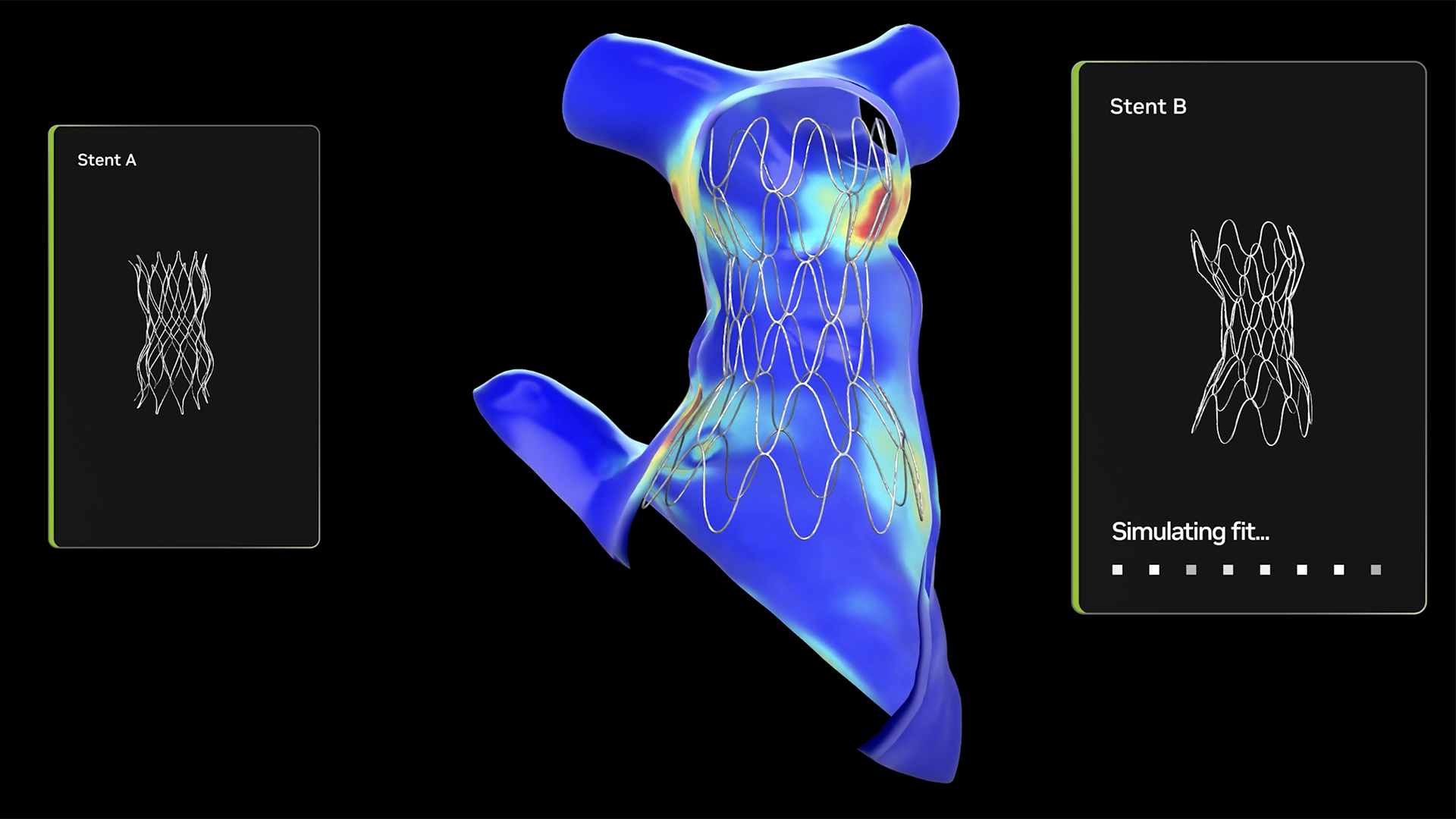
CHOP turned hours of pediatric heart modeling into seconds with MONAI — and is pushing GPU physics toward same-day device-fit decisions for congenital heart disease.
Why it matters
Children’s Hospital of Philadelphia uses open-source stacks — MONAI, 3D Slicer/SlicerHeart, and NVIDIA tools — to turn CT, MRI, and 3D ultrasound into anatomically precise heart models in seconds. A workflow that once took a skilled researcher about four hours now fits routine clinical use.
About 1% of live births involve a congenital heart defect, each unique. More than 20 U.S. children’s hospitals run related modeling programs; Boston Children’s uses modeling in more than half of cardiac surgeries (~500/year). CHOP expects about 200 modeled cases this year.
We’re watching open medical AI do something the market underserves: tools for rare, diverse pediatric anatomies.
From the desk
We’re at our most pro-tech when the evidence looks like this. Dr. Matthew Jolley’s line — one-of-a-kind kid, off-the-shelf device — is the whole problem. Modeling before the cath lab or OR is how you stop guessing with a child’s heart.
Machine learning on MONAI Label and Auto3DSeg did not invent pediatric cardiology; it collapsed the bottleneck after the lab had image-model pairs. Early wins on complex ventricular septal defects — including a child with two failed repairs until the 3D model clarified the hole — show why CHOP calls this standard of care for some cases.
The next step is physics: Newton on NVIDIA Warp aiming to cut device-deployment simulation from hours or overnight runs toward near real time, with paths into Omniverse/OpenUSD and VR plus vision-language queries. Useful AI that keeps clinicians in the loop and publishes open tools is the trajectory we want. The downside if this scales without rigorous validation is over-trust in a pretty model. I’m watching multi-center outcome data and how fast Warp/Newton biomechanics leave research and enter same-day decisions.
Context
Roughly 2.4 million people in the U.S. live with congenital heart disease — historically too rare and diverse for traditional device-company tooling at the needed scale. CHOP’s IDEA Lab aims to extend the approach beyond cardiac care. Jolley joined CHOP in 2015 as 3D echo was arriving.
Who feels it
- Pediatric cardiac teams
- Seconds-scale modeling makes pre-op planning practical for more cases.
- Open-source medical imaging
- MONAI/SlicerHeart show clinical pull when hospitals contribute workflows upstream.
- Device planners
- Near-real-time fit simulation could change same-day device selection if validated.
What to watch
- Published outcome comparisons for modeled versus traditional planning.
- Clinical deployment of Warp/Newton simulations beyond early closure-device work.
- Adoption growth across the 20+ hospital modeling network.
Companies: NVIDIA