How Open Science Can Help Researchers Prepare for the Next Pandemic
Sep 24, 2026, 7:00 AM · NVIDIA Blog
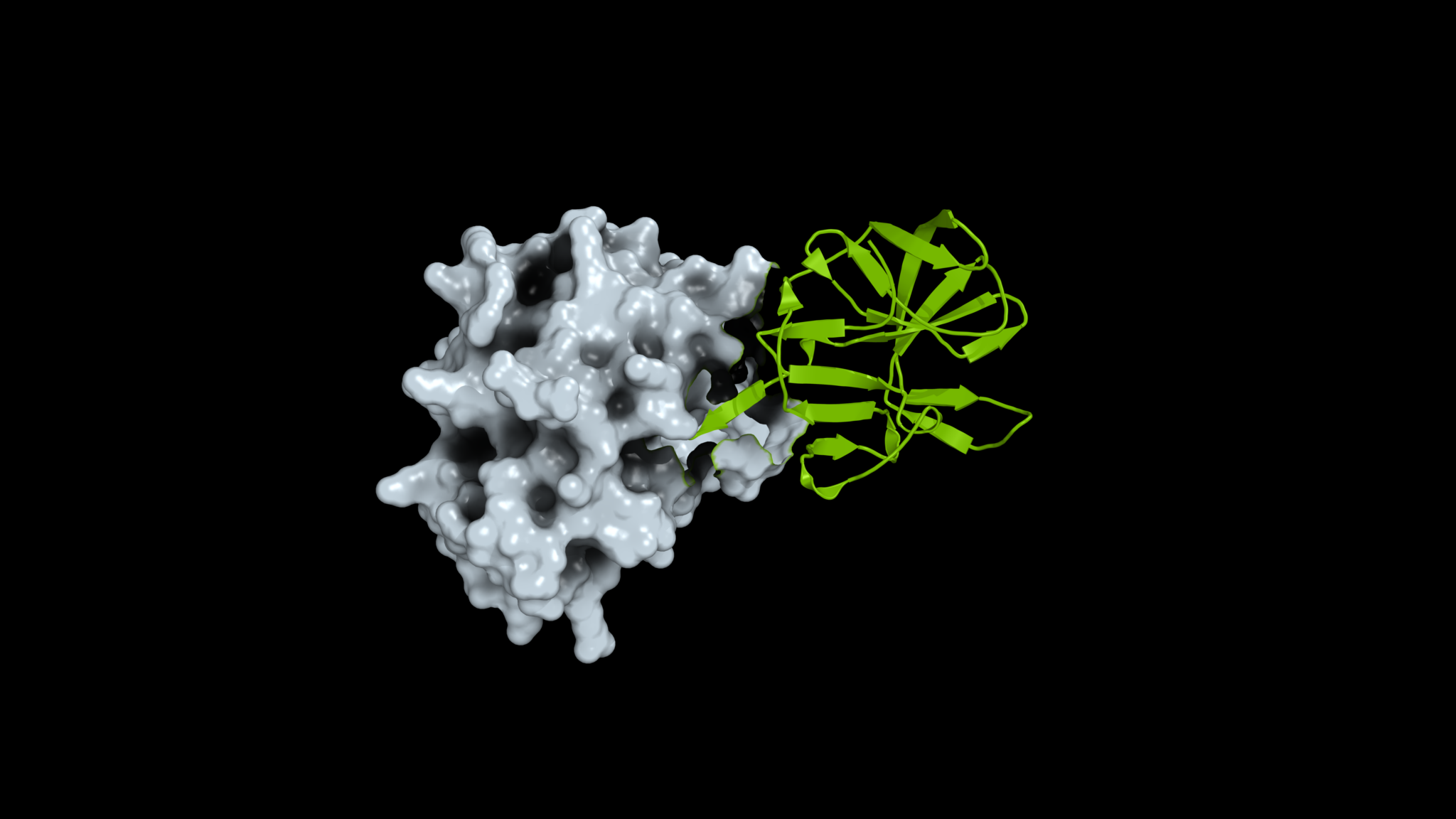
NVIDIA, DeepMind, and EMBL-EBI open predicted structures for 2,800-plus viral protein complexes — stockpiling structural knowledge before the next outbreak, not after.
Why it matters
A coalition including NVIDIA, Google DeepMind, and EMBL-EBI is releasing predicted 3D structures for protein complexes from more than 2,800 viruses into the AlphaFold Database, timed with UN/World Economic Forum pandemic-preparedness meetings in New York.
COVID vaccines moved fast partly because coronaviruses were already well studied. Joe Grove at the University of Glasgow’s Centre for Virus Research puts the worry plainly: the next pathogen may arrive without that head start. This dataset is an attempt to stockpile structural knowledge in advance.
About 30% of the protein interactions being added are new to science relative to the Protein Data Bank. That’s not a press-release flourish — it’s a hypothesis engine for labs that used to guess in the dark.
From the desk
We’re cheering this one with eyes open, because this is useful AI doing the job we keep saying we want.
AlphaFold2, run with NVIDIA BioNeMo Inference Runtime optimization, scaled inference across thousands of viral proteomes to predict complexes — groups of interacting proteins — not just single folds. Traditional crystallography can take years and thousands of dollars per structure; these predictions come in minutes and in bulk, then high-confidence hits can be verified experimentally. NVIDIA is also open-sourcing the BioNeMo Structure Prediction Pipeline so other groups can run sequence-to-structure on their own targets.
The Center for Global Development’s rough 50% chance of a COVID-scale pandemic by 2050 is the stakes frame the coalition is using. Whether that number holds, the direction is right: prepare structure libraries for human-infecting viral families — common colds through Mpox — while there’s time.
Jo McEntyre at EMBL-EBI stresses open access for lesser-studied viruses and scientists in low-resource settings who meet outbreaks first. Predictions are confidence-labeled, which matters: these are maps of what complexes may look like, not wet-lab gospel. Risha Patel at DeepMind frames the AlphaFold Database’s ambition as democratizing foundational biology at scale; Chris Dallago at NVIDIA calls the release an engine for hypothesis generation across complexes.
The downside isn’t the open science — it’s pretending prediction replaces experiment, or that a dataset alone is preparedness. Vaccines and antivirals still need wet labs, manufacturing, and politics. Dual-use biology always sits in the background when viral structures go public; confidence labels and responsible-use norms have to travel with the files.
I’m watching uptake in outbreak labs, how many high-confidence predictions get experimental confirmation, and whether BioNeMo pipeline users outside the founding coalition actually ship follow-on datasets. This is the rare AI story where “for good” isn’t branding — it’s the product.
Context
NVIDIA Blog by Anthony Costa, Sep 24, 2026, on the open viral protein-complex dataset built with AlphaFold2 and BioNeMo, contributed to the AlphaFold Database (now 260M-plus predictions) with partners including CEPI, EMBL-EBI, DeepMind, Seoul National University, Sungkyunkwan University, Swiss Institute of Bioinformatics, and University of Glasgow.
Who feels it
- Virologists and vaccine researchers
- Bulk complex predictions for 2,800-plus viruses give targets that used to take years of crystallography to even sketch.
- Labs in low-resource settings
- Open AlphaFold Database access and confidence labels lower the cost of forming structural hypotheses during outbreaks.
- AI-for-science builders
- The open BioNeMo Structure Prediction Pipeline is a reusable sequence-to-structure workflow, not a one-off dump.
- Pandemic-policy community
- Structural stockpiles are complementary to CEPI-style vaccine platforms — neither substitutes for the other.
What to watch
- Experimental confirmation rates for high-confidence novel interactions (~30% claimed new vs. PDB).
- Adoption of the open BioNeMo pipeline by labs outside the founding coalition.
- Whether UN/WEF pandemic meetings translate open structure data into funded preparedness programs.
- Follow-on releases covering additional viral families or bacterial pathogens.