Introducing Quine: An AI research system designed for the complexity of biology
Sep 29, 2026, 7:00 AM · Microsoft Research
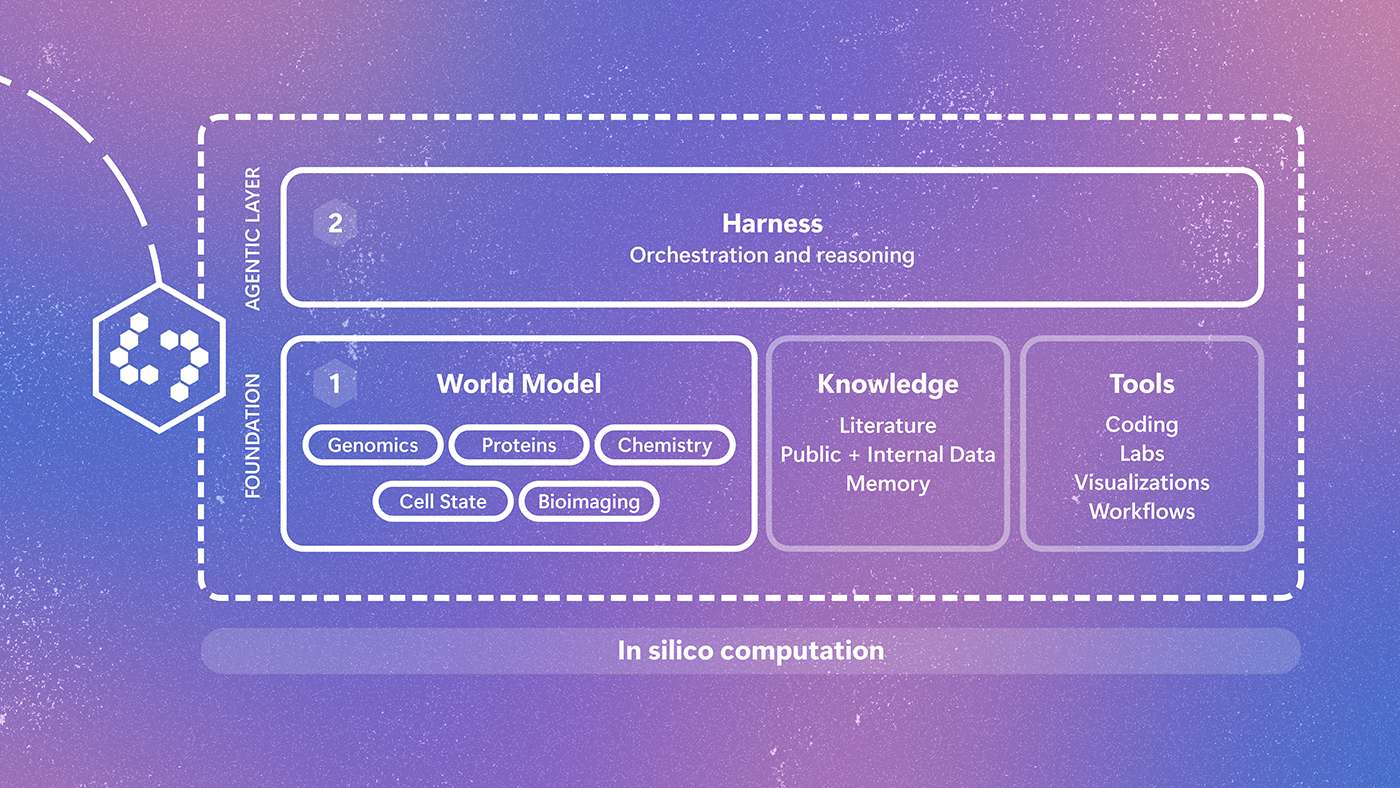
Microsoft Research’s Quine pairs a multimodal biology world model with a harness linking tools, literature, wet labs, and scientists—already prioritizing tumor-state compounds with the Broad.
Why it matters
Microsoft Research introduced Quine, a research effort to build a multimodal world model of biology plus an interactive harness connecting models, scientific tools, literature, and researchers. With Broad Institute collaborators, the system prioritized compounds predicted to drive therapeutic tumor-state shifts; several top-ranked candidates were validated across multiple wet-lab assays.
A Quine Fellows program will give a cohort of scientists access to accelerate their research and feed scientific feedback. Microsoft stresses Quine is experimental research technology—not for clinical or medical use—with outputs that may be incomplete or inaccurate and require qualified review. Longer term, access may expand through products like Microsoft Discovery.
From the desk
We’re cheering the ambition and keeping the clinical disclaimer in bold. A world model that predicts how biological state evolves under intervention is exactly the kind of useful AI science should want—if wet-lab validation stays in the loop.
Biology does not respect neat dataset boundaries. Genes, proteins, cells, tissues, and the next experiment all talk to each other. Quine’s bet—connect modalities, reason over evidence, participate in the iteration—is the right problem statement. Prioritizing compounds and confirming some in assays with the Broad is a serious early signal, not a press-only demo.
I’m watching claim hygiene after a week when Anthropic’s “discovery” language drew biologist backlash. Microsoft’s “research only, validate everything” framing is healthier. Keep it. The downside if Quine-class systems scale without that humility: automated candidate ranking that outruns experimental skepticism and ships false confidence into drug pipelines.
Fellows access is how you earn trust. If working scientists can poke holes and improve the harness, this becomes infrastructure. If it stays a Microsoft Research showcase that funnels only into Discovery upsell, the science community will treat it accordingly.
Context
Microsoft Research Blog, September 29, 2026. Builds on two-plus decades of MSR work across immunology, genomics, imaging, and protein engineering.
Who feels it
- Computational biologists
- Watch Fellows applications and whether compound-ranking methods are published with enough detail to critique.
- Drug discovery teams
- Interesting prioritization aid—not a clinical system; keep human experimental gates.
- Microsoft Discovery buyers
- Quine is the research tip of a productization spear—ask what transfers when.
What to watch
- Quine Fellows cohort details and publication norms
- Peer-reviewed writeups of the Broad tumor-state validation
- What subset of Quine reaches Microsoft Discovery and when
Companies: Microsoft