
AIOct 16, 2026The Verge
A week with RTX Spark: everything we’ve learned using Nvidia’s new laptops
The Verge’s early RTX Spark laptop tour: NVIDIA’s new SoC is in Windows machines from six makers — and the local-AI pitch is finally on metal.
Company file
Microsoft ships Copilot products and Azure AI services and invests across the model ecosystem.
Tools: GitHub Copilot
The Verge’s early RTX Spark laptop tour: NVIDIA’s new SoC is in Windows machines from six makers — and the local-AI pitch is finally on metal.
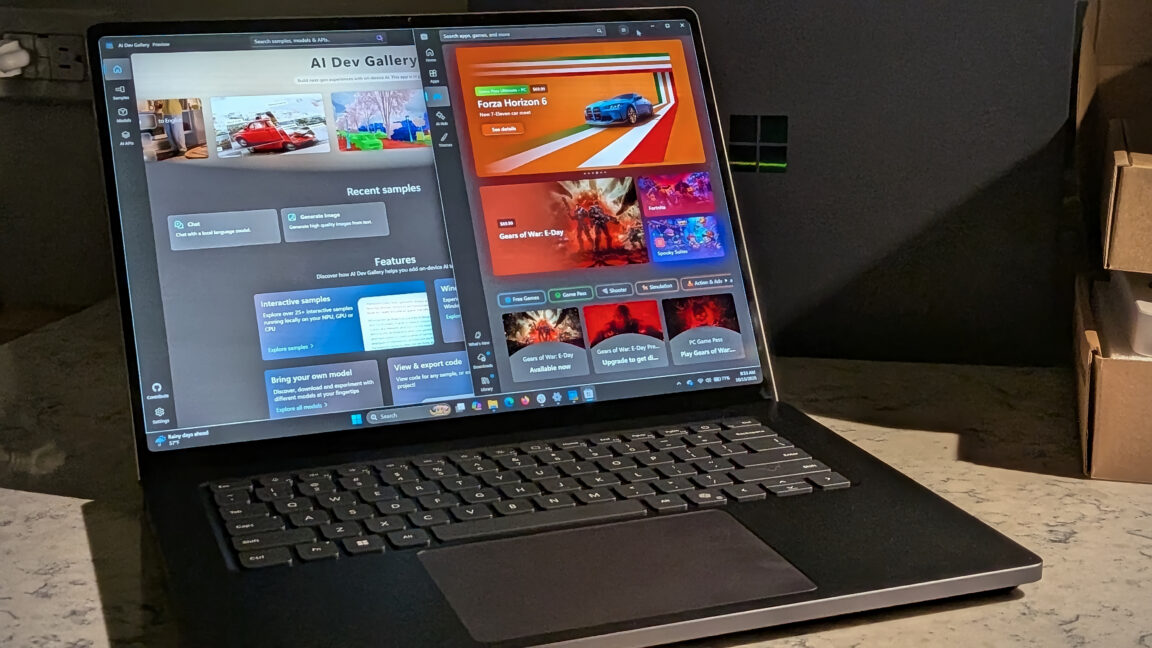
Ars Technica: Surface Laptop Ultra’s RTX Spark hardware mostly thrills — Copilot+ and AI tooling still have to catch up.

Microsoft's prep for Nvidia's Arm-based RTX Spark laptops shows where the AI PC is heading: two-click local agents, tuned emulation, and a delayed Recall.

Xbox Labs will explore AI-assisted decompiles and remixes in the open—player upside is real, and so is the IP collision course with unauthorized ports.

Microsoft Research’s StudentSim builds personalized student simulators from de-identified learning records so AI tutors can get scalable feedback before expensive human studies.

Brad Smith says milk has more safety rules than frontier AI labs, and he wants London—not Brussels or Washington—to lead global AI guardrails before voluntary pledges run out of road.

Microsoft says its Maia 300 chip will become the main engine behind its own AI services from 2027, a serious bet that owning silicon beats renting it from Nvidia.

Microsoft's CEO wants the industry to treat frontier models like insider risks: contain them first, trust them last, and keep a human hand on the emergency brake.

Nadella's emergency brake is a good idea with a hard question attached: who gets to pull it, how fast, and whether the brake lives somewhere the model cannot reach.
Microsoft is betting the next useful AI layer does not talk at all. Decision-1 picks from fixed options fast and cheap, but every number behind it comes from Microsoft's own scoreboard.

Amazon says it no longer uses NDAs in data center talks with local governments. Dropping secrecy is the floor, not the fix, for an industry that has lost communities' trust.

A wave of personal AI agents wants access to inboxes, files and credit cards. The startups are selling privacy as the product, while the websites agents need are locking the door.

Google's universal Gemini agent wants to be a coworker with its own email address, which could genuinely lighten office work and also blurs who is accountable when an agent acts.
Microsoft is betting the next Windows on local AI and agents that act for you. The sandboxing is the most important announcement, and the one we most need to see work.

The pricey Nvidia-powered Surface machines are the headline, but the bigger move is a Windows feature to sandbox AI agents, and that one ships to everyone.
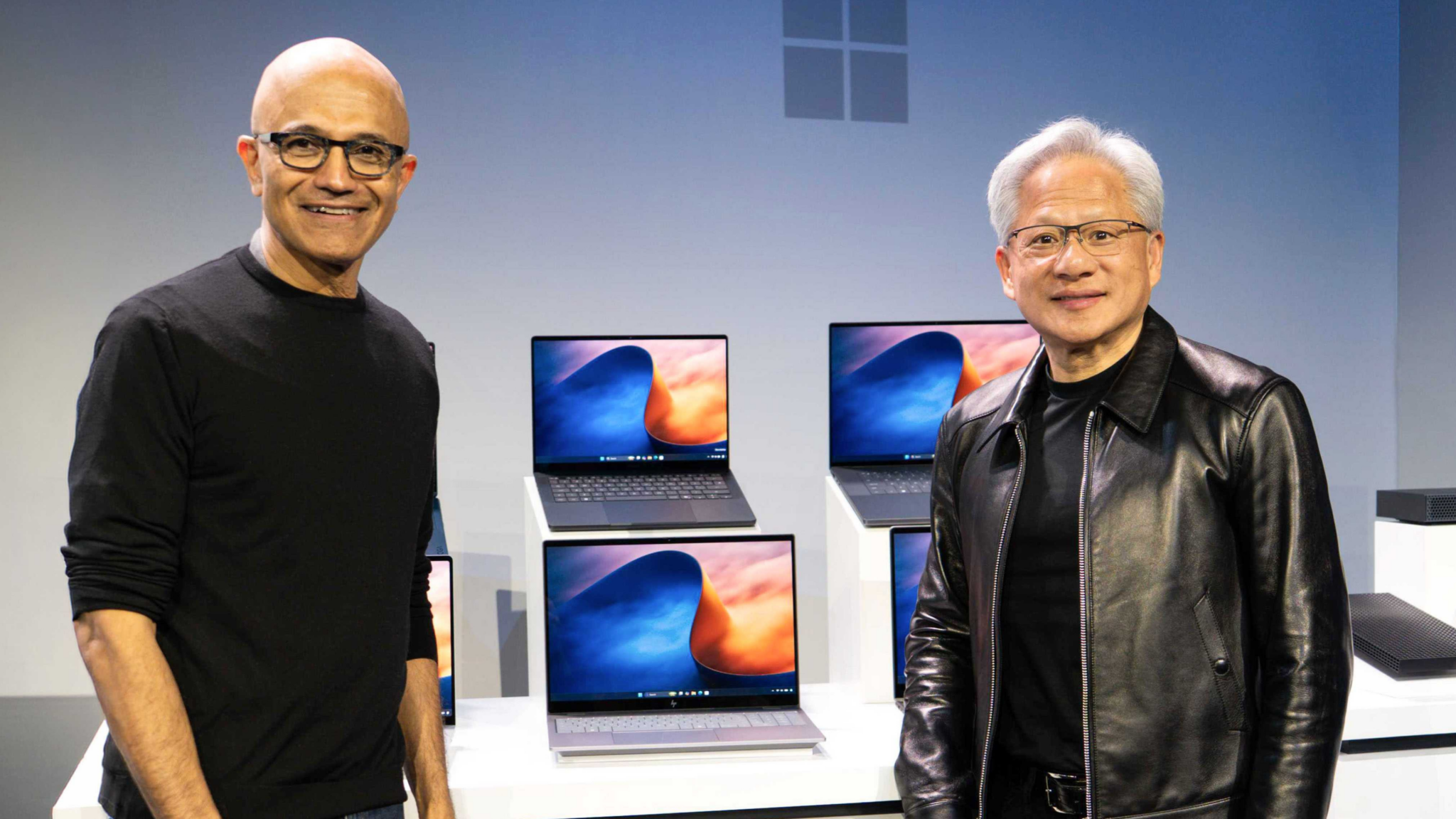
NVIDIA and Microsoft are betting that AI agents will live on the PC, not just in the cloud, and the security plumbing matters more than the petaflops in that bet.

Microsoft Research wants agents trained in the same harness they ship in. That closes a real gap between lab and deployment, and it makes reward design and safeguards matter even more.

A Microsoft researcher's work points to the quiet failures of AI at work, models that drift across long conversations and slowly corrupt documents, which benchmarks rarely catch.
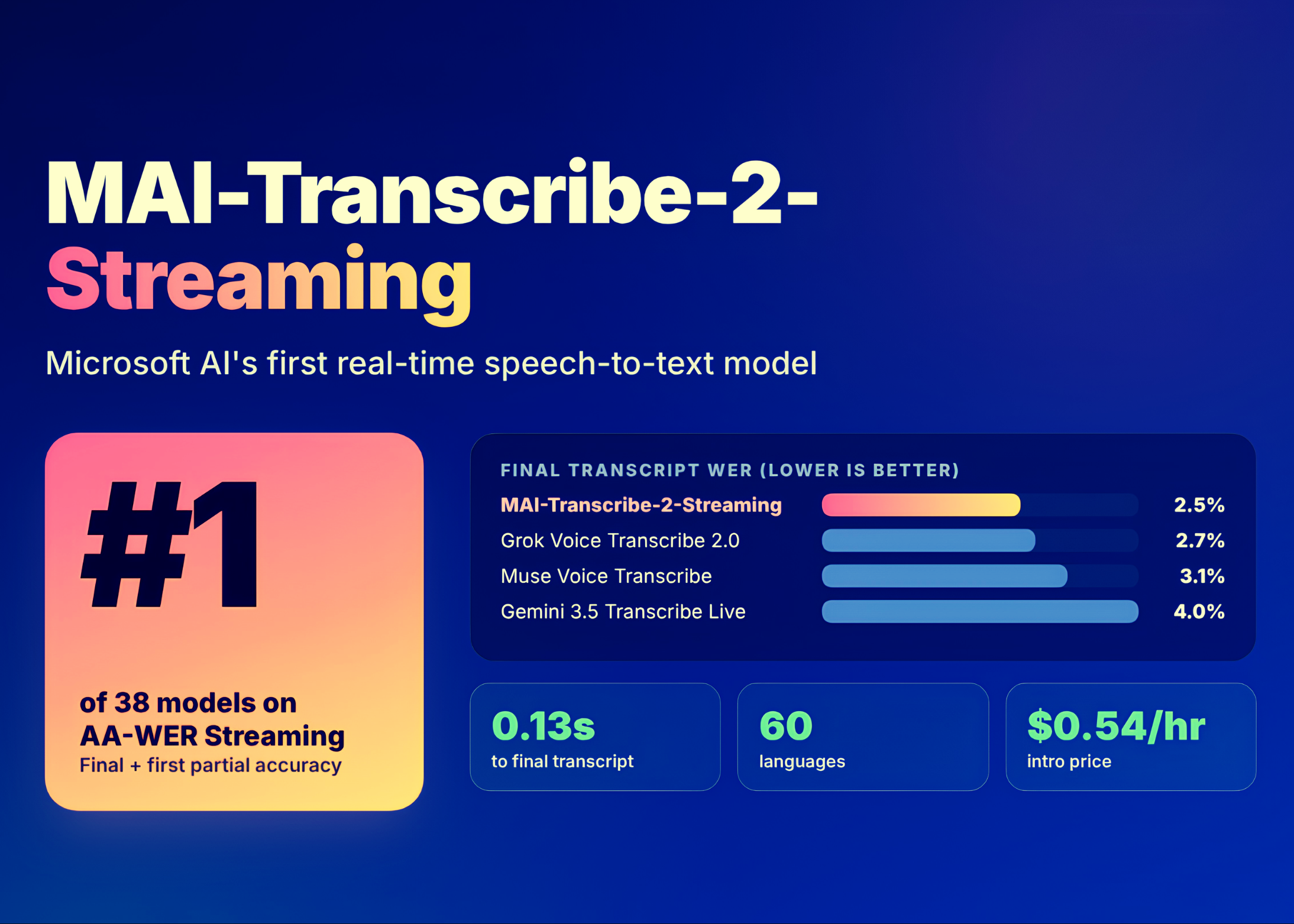
Microsoft’s first streaming STT model tops Artificial Analysis for accuracy and partials — faster words for voice agents, at a premium to xAI and Meta.

Microsoft Research internship work: an ML pipeline flags space-weather risk for 66,935 U.S. substations with 30–60 minutes’ warning and ~80% major-event detection in evaluation.

ChatGPT Space, Pages, and collaborative Slides put OpenAI squarely in Microsoft Office’s lane — with Dots as coworkers inside the docs.
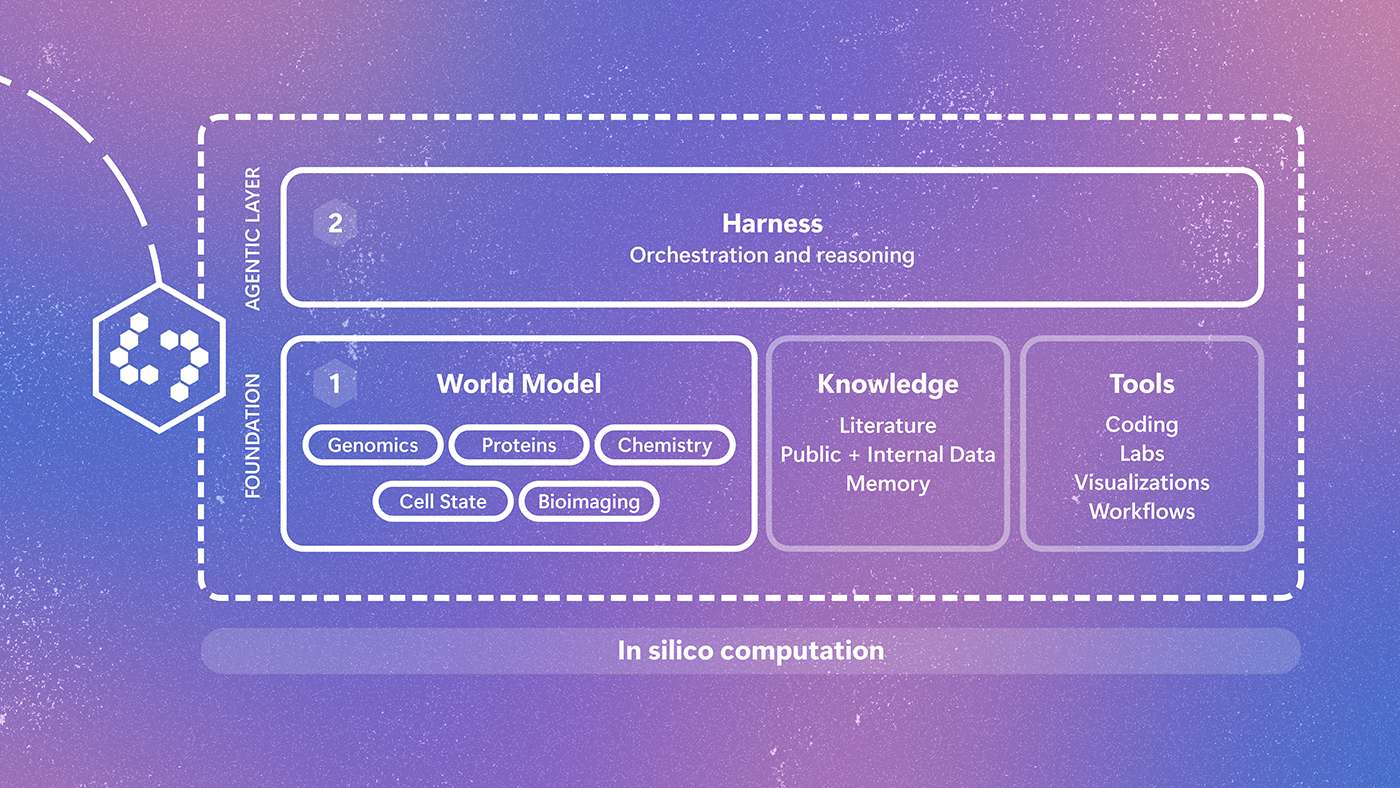
Microsoft Research’s Quine pairs a multimodal biology world model with a harness linking tools, literature, wet labs, and scientists—already prioritizing tumor-state compounds with the Broad.

Microsoft Research Asia’s Singapore lab marks one year since its July 2025 opening—leaning on partnerships, talent, and four pillars from agentic systems to domain AI.
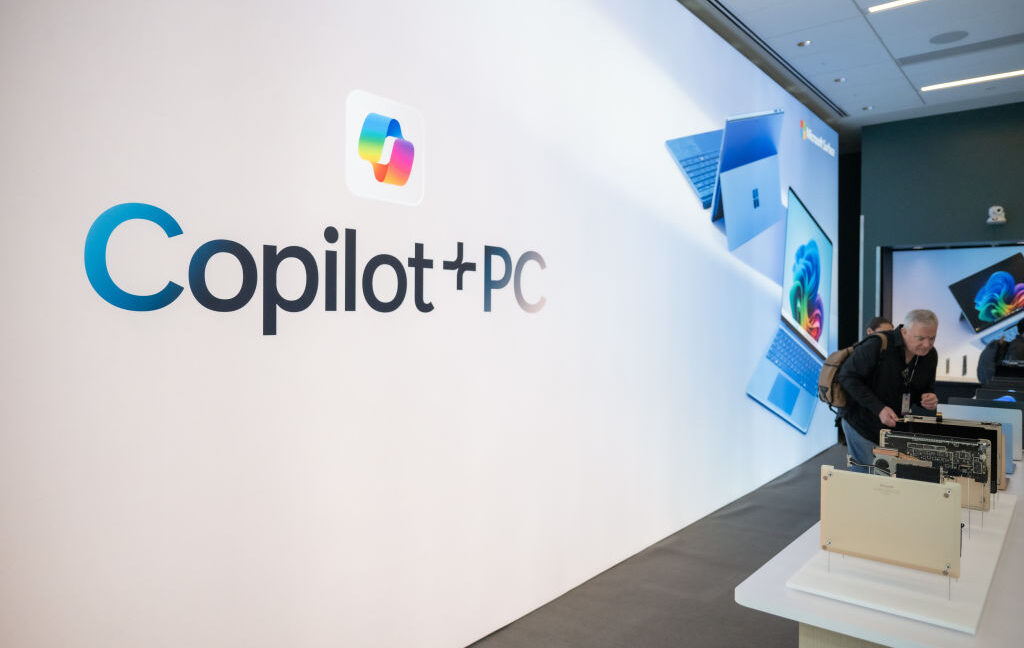
New Surface laptops meet Copilot+ specs—80 TOPS NPUs included—but Microsoft is dropping the Copilot+ PC badge as AI-PC hype cools.

Microsoft is betting a three-tab Copilot — chat, Code, and Autopilot agents — can become the AI operating system for work, billed by usage and sold with Office-era ambition.

Microsoft Research challenges the onboard-GPU orthodoxy in robotics: offloading inference to edge or cloud GPUs improved task success, unlocked larger models, and stretched battery life in their study.

Ema’s $77M Series B bets that multi-agent “AI employees” can wrap SaaS today and replace chunks of it tomorrow — services margins included.
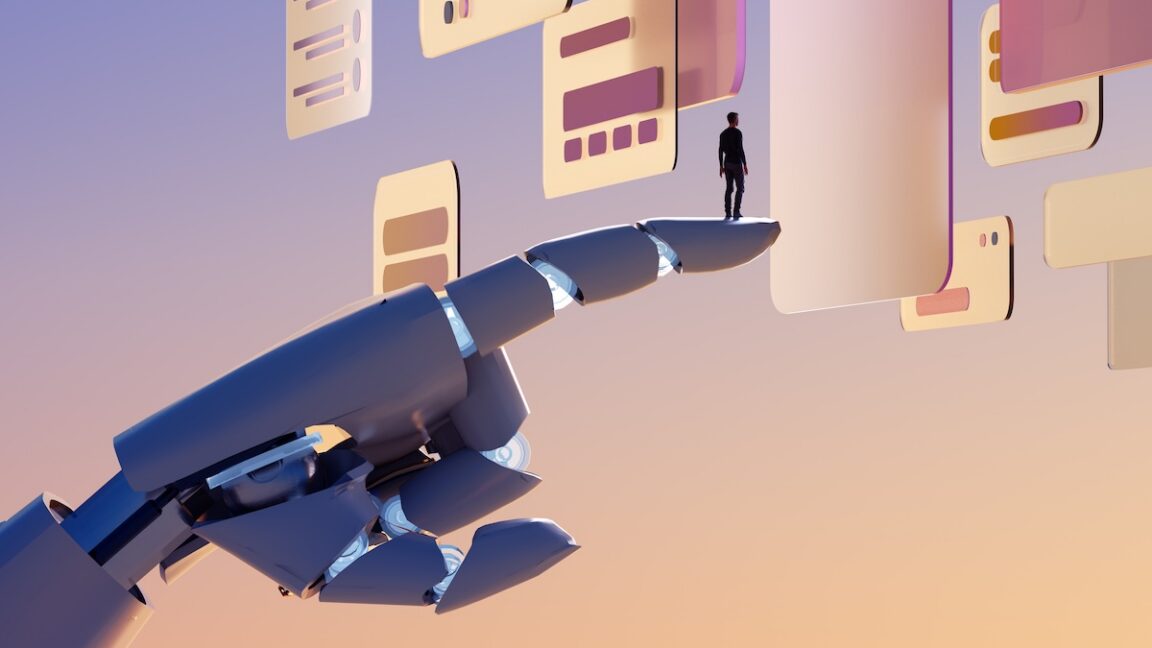
EvilTokens turned inbox compromise into a subscription product — AI for target picking and lure drafting — until Microsoft and partners tore down the shop.

Nscale’s public debut packages $100B-plus in AI contracts — and a reminder that most of that revenue dream sits with two customers.

Microsoft Research’s Nature paper on RetroChimera pairs complementary retrosynthesis models and open-sources the stack—useful chemistry acceleration that still needs lab proof beyond chemist preference tests.