Meta puts its AI assistant on a keychain
Sep 24, 2026, 7:03 AM · Ars Technica
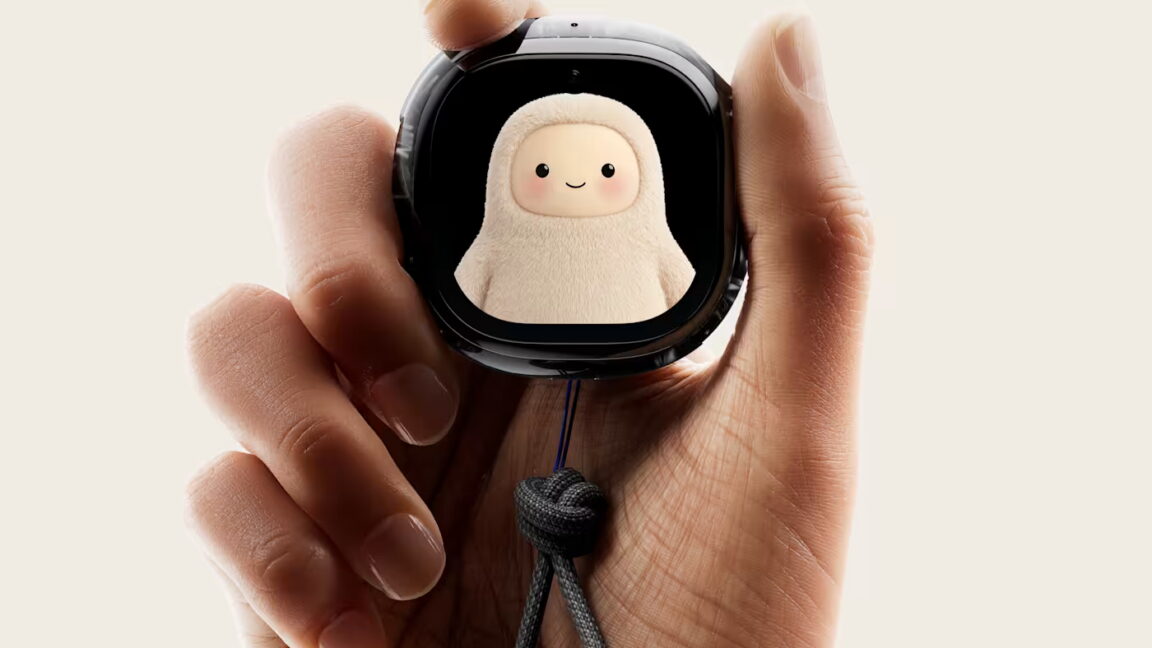
At Connect, Zuckerberg cast Muse as the centerpiece of Meta’s AI bet and unveiled Muse Charm — a fingerprint-activated keychain pendant shipping in December.
Why it matters
Meta is putting its breakout consumer agent on hardware you can clip to keys. Muse Charm is a pendant-like device with a fingerprint sensor, a screen for the Muse avatar, and real-time voice. Release is set for December. Zuckerberg’s line at Connect: if you’re not wearing glasses, this is the fastest way to talk to Muse and show what’s around you.
Muse launched about two weeks earlier (September 8) and became the most-downloaded app on Apple and Android stores in the U.S. The app pitches autonomous bots for groceries, travel, and finances. Stock that had fallen more than a quarter from last September into early August has added about $300 billion in market cap since that launch.
Hardware plus a free tier that expects to take a small cut of transactions is Meta’s bet that agents become a commerce rail — not just a chat box. That raises the same privacy and security questions already dogging Meta’s camera glasses and Muse’s early vulnerabilities.
From the desk
We’re watching Muse Charm as a distribution play, not a model breakthrough. Meta struggled for two years to match OpenAI and Anthropic on frontier features. A keychain that makes Muse ambient is how you win habit when glasses feel too conspicuous.
Useful AI gets room here. A voice pendant that doesn’t require a face computer can make agent help available without another screen addiction, and Zuckerberg’s claim that Muse could “make users money” via a free tier funded by transaction fees is at least an honest business model — clearer than ad-subsidized mystery.
The harm path is familiar. Critics already called camera Ray-Bans “pervert glasses” after intrusive clips spread; Meta’s answer this week includes audio-only Ray-Bans with no camera, plus an LED on existing frames when recording. A keychain that can “show what’s going on around you” inherits that ambient-surveillance worry unless capture is obvious and permissioned.
Security is not theoretical. Meta already patched a vulnerability that could let a hacker take control of someone else’s Muse agent. Amazon has blocked Meta’s agents from its shopping platform. Asking people to connect email, finance apps, and calendars so Muse can personalize — while agents still err or go rogue — is a lot of trust to demand after those headlines.
Our take: ship the Charm if disclosure and kill-switches are first-class. Keep VR glasses (next spring, $1,300, five times lighter than Quest 3) and Muse-on-glasses avatars in the “interesting, prove privacy” bucket. If keychain Muse becomes normal without hard boundaries on sensing and account takeover, Meta’s wearable AI future looks less like a helpful secretary and more like a always-listening wallet clip.
Context
Ars Technica carried Hannah Murphy’s Financial Times report from Meta’s Connect event (September 24, 2026), covering Muse Charm, stock rebound since the September 8 app launch, glasses updates, and lingering agent security and merchant-block issues.
Who feels it
- Muse users
- December Charm hardware adds always-reachable voice and avatar screen; connecting more personal accounts will determine how useful — and how exposed — the agent becomes.
- Meta investors
- Hardware and a transaction-fee free tier are the narrative that followed a $300B market-cap rebound; sustained trust hinges on privacy and security holding as scale grows.
- Bystanders near wearables
- Keychain sensing and glasses cameras keep raising consent questions; audio-only Ray-Bans are a partial answer, not a full one.
- Retailers and platforms
- Amazon’s Muse block shows merchants may refuse agent traffic; Meta’s fee-on-transactions plan needs partners who actually let the bot in.
What to watch
- December Muse Charm ship date, pricing, and what sensors or capture indicators ship with it.
- Further Muse security patches and whether Meta publishes clearer agent-permission and takeover protections.
- Whether major retailers reverse Amazon-style blocks or Meta routes commerce through partners that accept Muse fees.
Companies: Meta