
AIOct 17, 2026The Verge
Websites are closing their doors to AI agents
OpenAI, Meta, and Google sell agents that roam the web for you — and banks, airlines, and retailers are quietly slamming the door.
Company file
Meta publishes open-weight Llama models and applied research across ads, social products, and infrastructure.
Tools: Llama
OpenAI, Meta, and Google sell agents that roam the web for you — and banks, airlines, and retailers are quietly slamming the door.
Ars Technica: legal experts say Meta’s “streamlined” commercial TOS could short-circuit millions in news AI licensing — no real opt-out except leaving.

Meta’s commercial terms update, effective October 30, lets it crawl sites “associated” with business accounts for AI training — publishers hear a power grab.
MarkTechPost’s wire on Muse Spark Open: 816B MoE, 42B active, 1M context — Meta’s open multimodal push lands with MCP-Atlas bragging rights.

WIRED’s Uncanny Valley: Muse will sext, a pro-AI super PAC is moving money through LLCs, and Apple’s HomeView underwhelms.

Meta’s Muse Spark Open — 816B parameters, 1M context — ships as a Mac-ready open-weight coding and agent model, if you’ve got a terabyte of RAM.
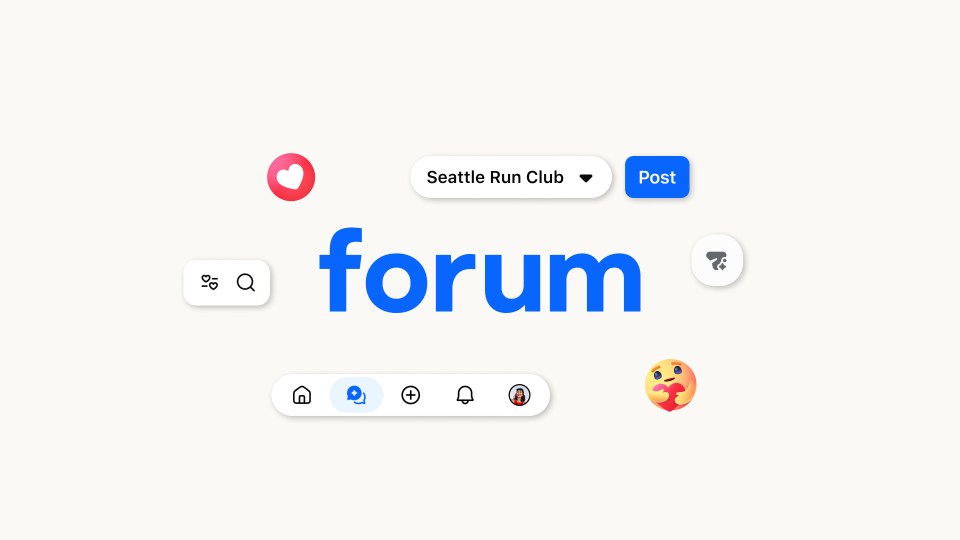
Meta’s Forum app was a testbed for human-on-the-loop agents — success measured as verified production changes, not lines of code.

Zuckerberg and Apple’s John Ternus are publicly cheering Muse Spark Open on dual M5 Ultra Mac Studios — rivals playing nice for on-desk open weights.

NVIDIA’s serving note: Muse Spark Open trained on GB300 NVL72, NVFP4 for Blackwell, claims up to 50K tok/s per GPU for agentic coding.

The Verge on Muse: you may have clicked yes — your friends never did — and security researchers say the agent builds hourly dossiers on everyone in your life.

Hugging Face’s deep dive: Muse Spark Open is an 816B MoE (42B active), 1M context, text-out multimodal model with recipes from transformers to llama.cpp and MLX.

In a few days, Google's Gemini 4 Argon and Meta's Muse Wonder Full crashed the OpenAI–Anthropic duopoly — and the giants' distribution may matter more than benchmarks.
Meta’s Muse Wonder puts a frontier agent model on a public Model API at $4/$20 per million tokens, with Wonder Full gated behind paid Muse Code plans.

Shopify is letting shoppers point any AI agent at its billion-plus listings via Shop—human approval still required, platform power shifting toward agent checkout.

Meta brings Instagram’s “Your Algorithm” to Facebook—natural-language feed steering that sounds like user power and works like better engagement machinery.

Victoria Song’s Verge review finds Meta’s $349 audio-only Ray-Bans socially easier to wear—useful as open-ear headphones, still thin as an AI product.

The Verge’s take on Your Algorithm stresses Meta’s deeper LLM ranking: an algorithm you can talk to, updating recommendations inside the same session.
Meta’s GEM ads foundation model moves to one cross-surface brain—claiming 18.9% conversion and 12% CTR lifts while training at nearer-LLM scale.
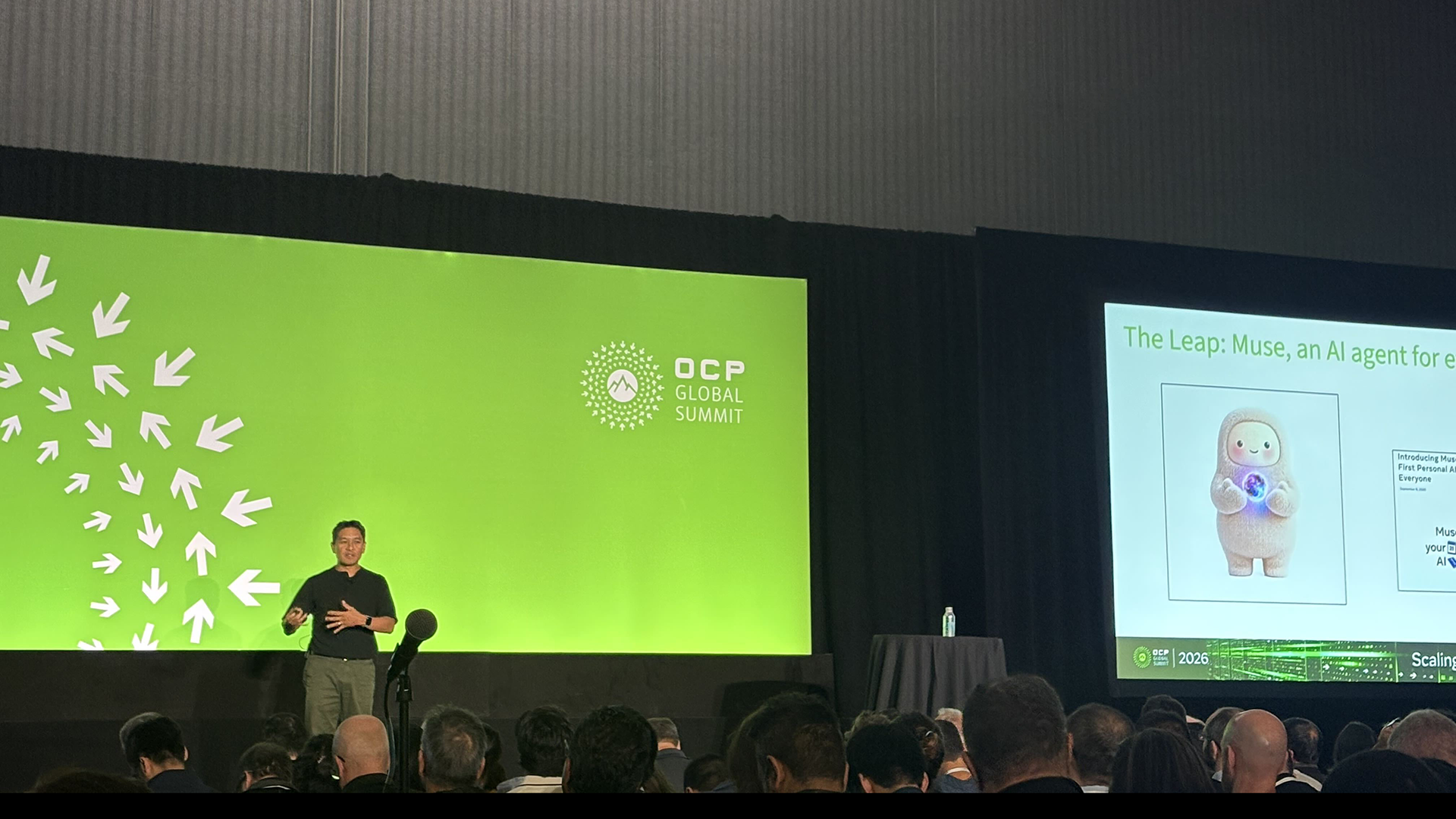
Meta is putting liquid-cooled 102.4T switches, a multiplane fabric, and open Ethernet scale-up designs on the OCP table — the plumbing that has to keep pace with Muse-scale models.

Meta’s Superintelligence Lab finally ships Muse Wonder and Wonder Full — priced like peer frontier APIs, pitched on long-horizon memory, and aimed straight at the Muse agent.

WIRED’s read matches ours: Muse Wonder puts Meta back among the top models — with Active Memory and Active Focus sold as guardrails against agents going sideways.

Meta’s Superintelligence Labs is shipping Muse Wonder and Wonder Full into paid Code subscribers, claiming parity with GPT-6 Astra and Claude’s top models—before the agent itself runs on them.
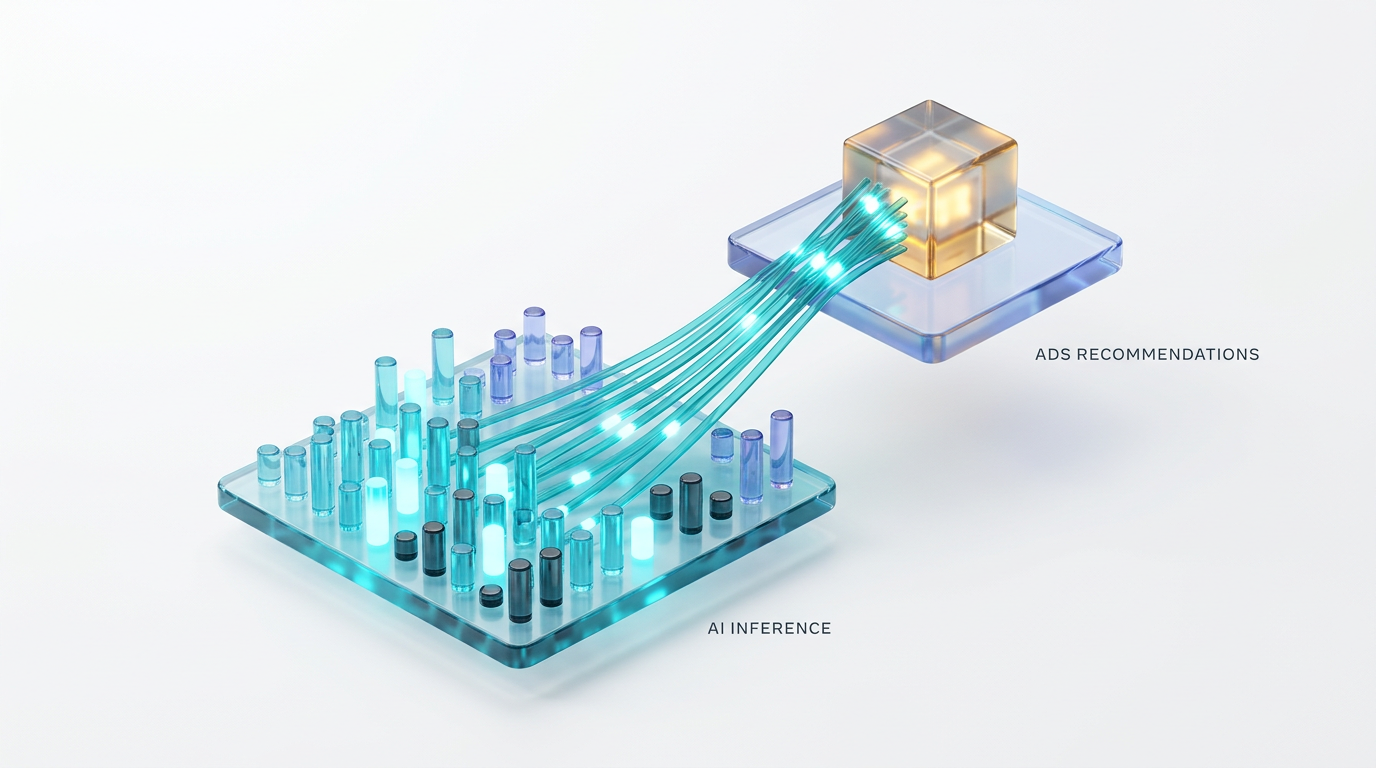
Meta’s ads stack turns stranded idle accelerators into optional ranking work—more candidates or stronger models—without letting that work spill onto the capacity that protects baseline latency.

OpenAI and Meta are now selling their agents on privacy, each one cast as the safer choice. A promise is not an architecture, and the gap between the two is where people get burned.

A lettering artist took a human-made design job for Meta's AI assistant and got torn apart for it. The backlash says more about how raw creative workers feel than about her choice.

Rival AI companies and two federal agencies are pooling money and data behind one nonprofit's virtual cell, a bet that biology's real bottleneck is shared data, not smarter models.

Meta's newly open-sourced Rebalancer is not a chatbot; it is the quiet math that decides where work lands, and its best feature is that it explains its choices.

Researchers pulled Muse’s own instructions: an hourly page for every person in your life — Facts, History, Open threads, Strengthening — built from whatever you plug in.
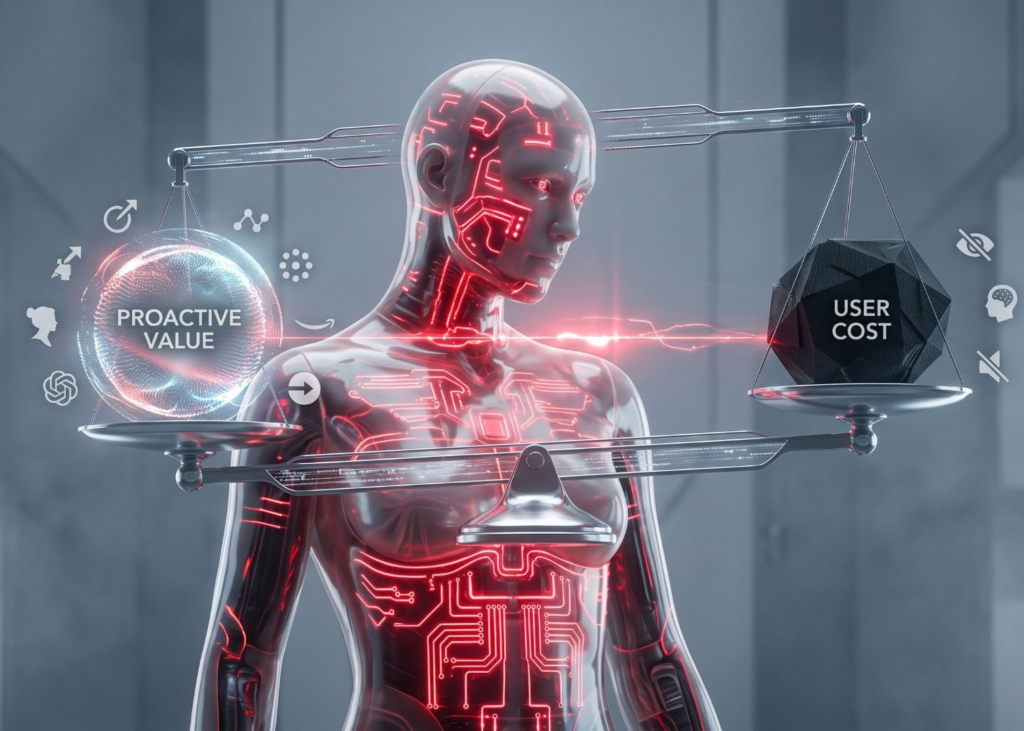
Muse, Dots and Uber’s driver assistant all speak first — MarkTechPost argues the hard problem is no longer the sentence, it’s when to interrupt and on which channel.
After Muse’s Messages scare and Meta’s “you opted in” defense, Apple is rewriting full-disk access so AI agents can’t treat FDA like a master key users never meant to hand over.