OCP Global Summit: Amid Ecosystem Adoption, NVIDIA Opens Vera Rubin Architecture to Help Scale AI Factories Worldwide
Oct 12, 2026, 8:00 AM · NVIDIA Blog
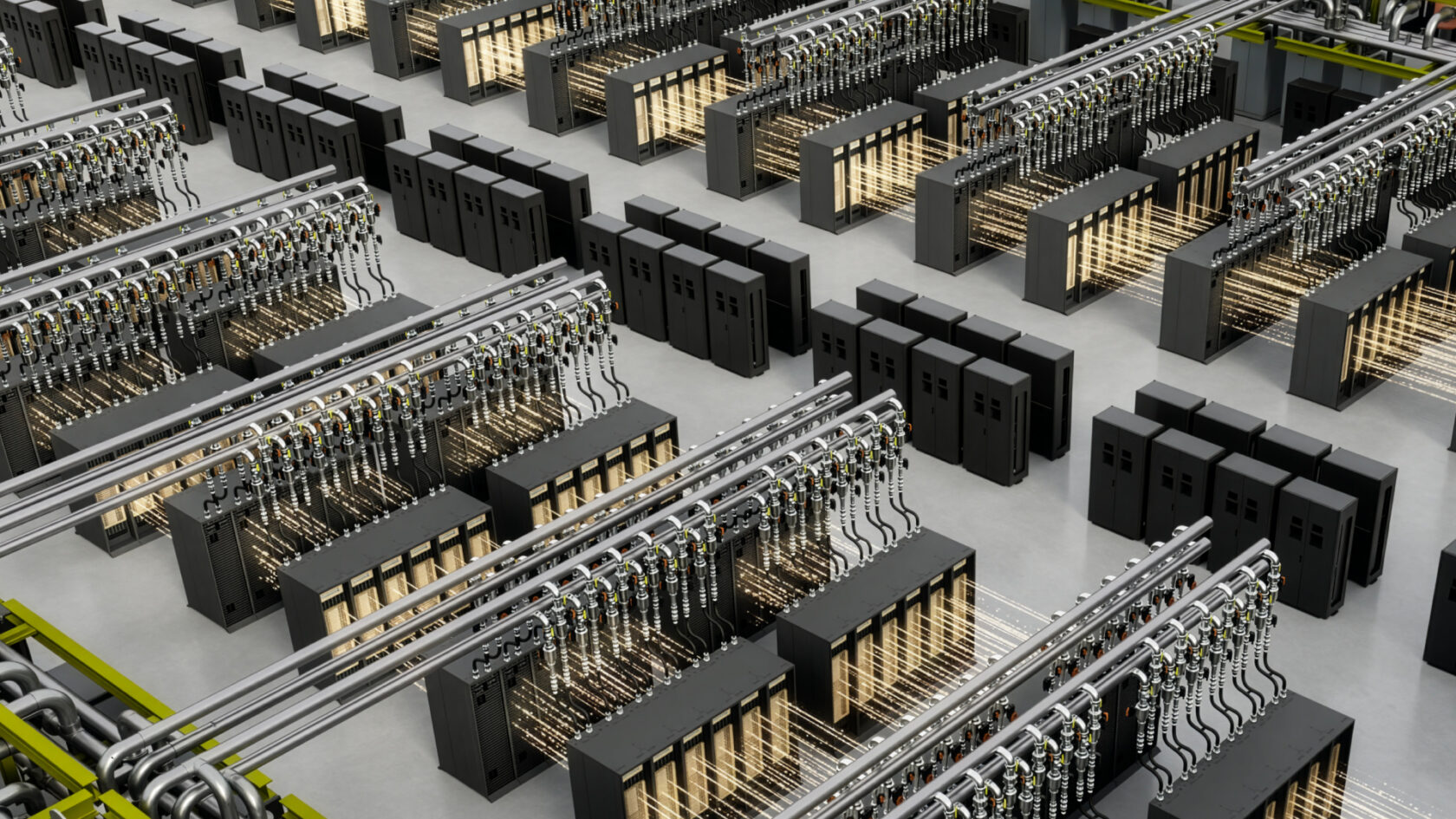
NVIDIA is handing its Vera Rubin rack blueprints to the open hardware world, and the real story is power, cooling and grid behavior becoming shared rules instead of private deals.
Why it matters
At the Open Compute Project Global Summit in San Jose, NVIDIA contributed Vera Rubin rack and compute tray designs to OCP through its MGX architecture, alongside a stack of partner announcements: open facility and grid standards with hyperscalers, new open source software for its DSX AI factory platform, a Meta networking deal, a new optics form factor with Cisco, and Google's Falcon transport on future NVIDIA network cards.
This matters because the bottleneck in AI has moved from chips to buildings. Racks are heading toward 250kW, busbars are carrying 5,000 amps, and data centers are being designed around 800-volt DC power. When those designs are published as common specs, equipment makers and colocation operators can start building without waiting on one customer's private blueprint. That can speed up capacity, and it can lower the cost of getting it right.
From the desk
We think this is a genuinely useful move, and we also think it is a very smart business move. Both things are true. Opening the rack, the tray, the cooling interfaces and the facility blueprint makes it easier for the whole supply chain to build AI capacity faster. It also makes NVIDIA's architecture the default shape of that capacity. Open standards that happen to be tuned for one vendor's systems are still open, but they are not neutral.
The piece I find most important is the least flashy one: the Grid Resilience Specification from Google, Meta, Microsoft and NVIDIA. It defines how giant AI loads should behave when the utility grid stumbles, staying connected and recovering to near-full load in under two seconds. As these facilities scale into gigawatts, they stop being just customers of the grid and start being a force on it. Writing down how they should behave is overdue, and we want regulators and utilities reading it closely, not just engineers.
The Open Data Center Specification v0.7, published with AMD, Google and Meta, points the same way. Having AMD's name on a facility blueprint alongside NVIDIA's is a meaningful signal that at least the building layer may stay shared, even if the silicon inside is fiercely competitive. I'm watching whether that holds as the spec matures past a 0.7 draft.
The software side deserves credit too. Tools that stress-test GPU clusters before training starts, automate switch configuration and stand up bare metal in hours rather than days are the kind of unglamorous work that keeps expensive hardware from sitting idle or crashing mid-job. Open sourcing them lowers the bar for smaller cloud providers.
Now the downside, and where it leads. Every one of these standards is designed to make bigger AI factories easier to build. That means more electricity, more water and cooling infrastructure, and more concentration of compute in a handful of operators who can afford 100,000-GPU clusters. Efficiency per token improves, but total demand keeps climbing. If the industry gets very good at building these quickly, the hard questions shift to communities and grids that did not get a seat at the summit.
Our read: this is the infrastructure layer of AI growing up, and openness here is better than a patchwork of proprietary designs. But this is NVIDIA's own account of its own week, and the test is adoption. We will believe the ecosystem claim when independent builders ship racks to these specs and when the grid commitments show up in real interconnection agreements.
Context
The Open Compute Project is the industry group, started by Facebook, where hyperscalers share data center hardware designs. NVIDIA's MGX is its modular reference architecture for servers and racks; the updated MGX 1.2 spec adds blind-mate liquid cooling, fanless liquid-cooled trays and native 19-inch equipment support. NVIDIA also described a Vera CPU rack aimed at agent workloads like tool calling, orchestration and sandboxed execution, separate from the Vera Rubin NVL72 systems used for large-scale training and inference.
Who feels it
- Data center builders and equipment makers
- Published rack, power and facility specs give them a common target to design and manufacture against, without waiting for one buyer's private requirements.
- Utilities and grid operators
- A written standard for how AI loads ride through grid disturbances is a starting point for negotiation, but it is written by the buyers of power, not the suppliers.
- Cloud providers
- Open source cluster validation, rack management and bare-metal provisioning tools lower the cost of running multi-tenant AI infrastructure.
- Competing chipmakers
- Shared facility standards help everyone, but rack-level designs tuned to NVIDIA systems raise the switching cost for operators.
- Local communities
- Faster, more standardized builds mean more large AI facilities sooner, with power and land questions arriving on a shorter clock.
What to watch
- Whether independent system builders ship racks to MGX 1.2 and the Vera Rubin tray designs, not just NVIDIA's close partners
- How the Open Data Center Specification evolves beyond v0.7 and whether AMD stays involved
- Utility and regulator response to the Grid Resilience Specification
- Real deployments of Visionbay's 800 VDC K-1 design and Meta's Spectrum-6 fabrics
- Whether the USFP optics effort with Cisco becomes a true multi-source standard
Companies: NVIDIA