“This is the AI men actually use”: Meta ads pushed apps nudifying real teens
Sep 8, 2026, 11:43 AM · Ars Technica
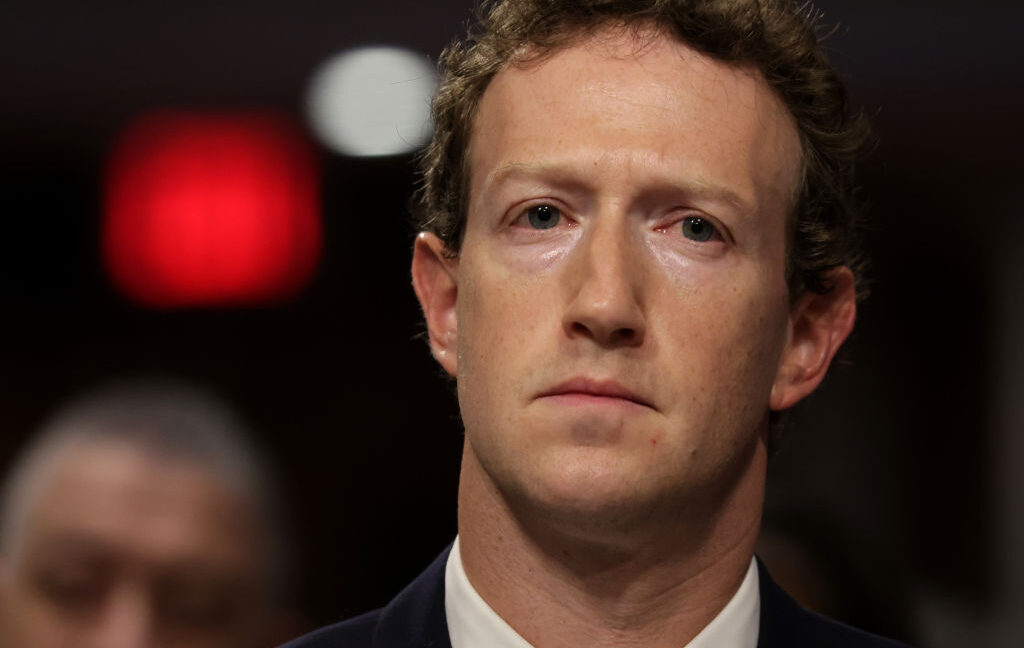
After Meta touted new child-exploitation detection, researchers say hundreds more CSAM and nudify ads—some animating real teens’ photos—still ran on Facebook and Instagram.
Why it matters
Ars Technica reports a Tech Transparency Project investigation finding Meta failed to detect 332 ads containing CSAM this year, overwhelmingly for China-made AI apps and “nudify” tools. TTP matched multiple ads to real children’s photos online—including a young European royal and a 14-year-old Instagram influencer—animated into graphic sexual videos. Captions pitched “I can show you more” and “This is the AI men actually use.”
The findings followed an August batch of 53 ads TTP flagged with Wired, after which Meta claimed new detection systems. TTP says hundreds of new CSAM ads ran afterward; Wired separately found hundreds of related adult nudification ads and more explicit ads with similar language. Removals were slow and inconsistent: half the archive cleared quickly after the latest flag, but policy-violation labels lagged; one stock-photo victim’s ad grew from four to 330 impressions over days after TTP reported it on day one.
Meta told Wired it does not tolerate nudify apps or child exploitation, blamed brief or blurred clips for misses, and said flagged ads averaged under 200 impressions with total spend under $5,000. TTP notes undercounting risks and that ads reached more than 29,000 people in the EU and 6,800 in the UK, with about 80% served in the U.S. Michigan and Florida attorneys general are looking; Sen. Mark Warner demanded Meta end such ads; Australia’s eSafety regulator asked for senior-level information.
From the desk
Signal Desk’s read: this is not a residual spam problem—it is evidence that Meta’s ad machine still cannot reliably stop the worst category of inventory, even after public process upgrades and an $18 billion child-safety settlement that was supposed to force platform changes.
The timeline indicts the “we fixed detection” narrative. New systems announced after the August flag; hundreds more CSAM ads afterward; identical ads treated differently—one removed, a copycat kept with a claim it did not violate standards; week-long delays or no action on reports tagged as under-18 sexual exploitation. When enforcement is that inconsistent, policy language is theater.
What Meta under-states is the business structure behind the misses. TTP ties CSAM creative to Chinese reseller partners GIMC, Meetsocial, and BlueFocus, and cites Reuters reporting that Meta is slow to act against Chinese resellers because that channel unlocks ad revenue Meta cannot otherwise reach while platforms are banned in China. Fraudulent business pages—empty local-business shells and even a page claiming LDS church affiliation—ran the same class of ads until outsiders flagged them. Treating total spend under $5,000 as exculpatory misses both undercount risk and the fact that real children’s images were commercialized at all.
The over-stated defense is technical subtlety (brief/blurred clips). The under-stated harm is normalization: everyday photos of children turned into sexual content, then bought as Meta inventory. Kuppersmith’s line is the correct frame—if review cannot reject this before serving, the whole ad-approval system is in question. Expect Muse-era trust pitches to collide with this story in the same news cycle; that collision is earned.
Context
DOJ has clarified that AI CSAM is treated as harmful as traditional CSAM. Meta’s recent multistate settlement required child-safety changes; TTP and Campaign for Accountability argue ad review must be part of that intervention. Wired’s parallel work on adult non-consensual nudify ads shows the abuse pattern is broader than minors alone.
Who feels it
- Parents and child-safety advocates
- Everyday social photos are now raw material for paid Meta ads; reporting channels that take a week are functionally useless for fast-moving creatives.
- Meta
- Faces AG probes, Warner’s demand letter, and Australian eSafety scrutiny while simultaneously asking consumers to trust Muse with deeper personal access.
- Advertisers and reseller partners
- Chinese reseller channels and thin business pages associated with CSAM creatives will draw enforcement and brand-safety pressure.
- App stores and payment networks
- Nudify apps that Meta ads funnel toward remain the downstream enforcement target alongside platform ad review.
What to watch
- Whether Michigan, Florida, or federal actors open formal actions beyond statements of concern.
- Meta’s substantive reply to Sen. Warner and disclosures to Australia’s eSafety regulator.
- Public metrics on CSAM-ad detection latency, false-negative rates, and reseller enforcement—not just average impressions of flagged creatives.
Companies: Meta