University of Manchester Uses NVIDIA Earth-2 to Forecast Air Pollution Across the UK
Sep 15, 2026, 10:00 PM · NVIDIA Blog
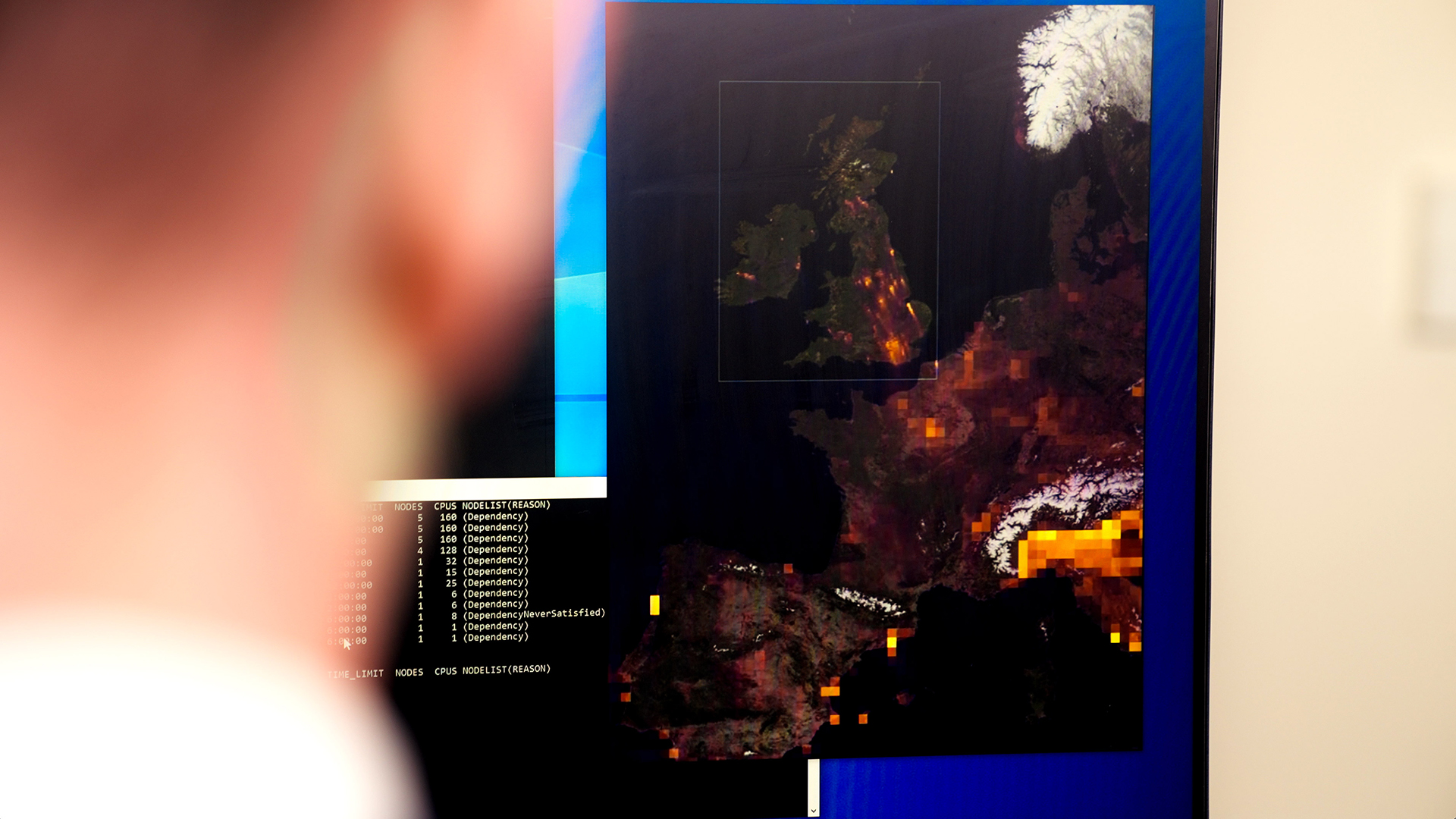
Manchester researchers used NVIDIA Earth-2 CorrDiff and StormCast on Isambard-AI to downscale and forecast UK air pollution—after chemistry-heavy models proved too slow to run often.
Why it matters
NVIDIA’s blog profiles University of Manchester professor David Topping adapting Earth-2 generative frameworks from weather to pollution fields. Air pollution contributed to an estimated 30,000 UK deaths last year, the piece says; traditional chemistry-climate models are too compute-heavy for fine, frequent runs.
The team generated training data from existing chemistry-climate simulations, trained CorrDiff on Isambard-AI, and reported the model worked on the first attempt. They’ve added StormCast for time-dependent forecasts using observations, and demoed workflows on DGX Spark.
Public-health forecasting that runs often enough to act is the prize.
From the desk
We’re for this use of AI without romanticizing a first-try success story.
Topping’s quote cuts cleanly: put chemistry into weather models and they get really slow. Generative downscaling that inherits Earth-2’s weather playbook is a pragmatic bypass. Training on Isambard-AI—the UK’s national AI supercomputer—keeps the work in public-research infrastructure, which we like.
Useful AI here is fewer weeks between “bad air is coming” and “schools and clinics are ready.” The harm if unverified: pretty pollution maps that miss chemical regimes, false confidence for policymakers, or vendor framing that outruns peer review.
I’m watching published validation against ground monitors and whether local authorities actually change alerts based on these runs.
Context
NVIDIA Earth-2 is a family of open AI models/tools for weather and climate. CorrDiff is a generative downscaling model; StormCast supports time-dependent forecasts. Isambard-AI is in Bristol.
Who feels it
- Public-health and environment agencies
- Faster pollution fields could tighten warning lead times—if accuracy holds.
- Atmospheric scientists
- Generative emulators need rigorous chemistry edge-case tests, not only visual plausibility.
- UK compute policy
- Isambard-AI as the training home strengthens the national-supercomputer case for civic AI.
What to watch
- Peer-reviewed skill scores versus chemistry-climate baselines.
- Operational pilots with UK local authorities.
- Open release of trained pollution checkpoints for reproduction.
Companies: NVIDIA