US arrests tech CEO accused of smuggling $300M in Nvidia chips into China
Oct 2, 2026, 11:39 AM · Ars Technica
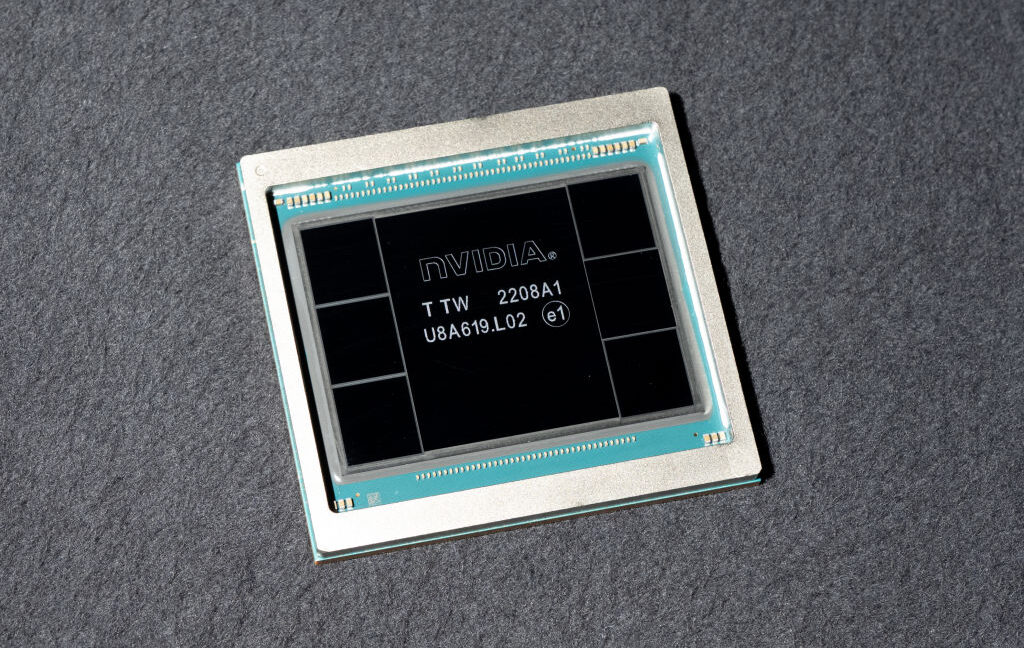
DOJ arrests Earthmade CEO Greg Lui over an alleged $300M+ Nvidia A100/H100 diversion ring via Malaysia and Singapore — while Nvidia calls smuggling a rounding error.
Why it matters
Ars Technica’s Ashley Belanger reports the Justice Department arrested 38-year-old Greg Lui, CEO of Earthmade Computer, accusing him of using false paperwork to mask server shipments worth more than $300 million that allegedly ended up in China. The FBI indictment says the scheme ran from October 2023 to August 2026, routing export-controlled Nvidia A100 and H100 GPUs through freight forwarders in Malaysia and Singapore.
Alleged evidence includes emails, Bank of America and JP Morgan records, a 2024 order for 70 restricted servers fraudulently marked for Malaysia, a 92-server path through Singapore and Hong Kong to Hangzhou, and fake-buyer docs naming a “Jackie Lui.” DOJ says Lui’s firm took in more than $176 million in 2024. Charges include export-control conspiracy, smuggling, and money laundering — up to 20 years on the top counts.
From the desk
We’re treating this as another brick in a wall Nvidia keeps calling thin.
These aren’t the newest chips, Ars notes — but they’re still LLM-training hardware the U.S. restricts for national-security reasons. Arrests keep coming; Nvidia’s line keeps softening from “no evidence” toward “less than half of one percent” diverted and “a drop in the bucket” next to China’s domestic compute. Maybe. Experts quoted in the surrounding Bloomberg thread say the black market is hard to measure and likely larger than reported.
Useful AI infrastructure should move through law-abiding channels. Smuggling rings don’t prove the technology is bad; they prove export controls without enforcement theater create a gray market with real defendants and real money. The uncomfortable part for us is the due-diligence debate: officials pointing at facilities in Thailand, Malaysia, and Singapore that couldn’t house the ordered servers, fake leases, and partners Nvidia won’t drop until ordered.
I’m watching whether Lui’s case forces voluntary protocol changes from Nvidia — or whether the company keeps arguing buyer growth plans in friendly nations aren’t red flags until Congress or the White House draws a brighter line. Self-policing plus “when the law is clear” is a strategy. It’s not the same as catching Jackie Lui paperwork before $22 million of H100s leave the dock.
Context
The arrest follows other alleged diversion cases involving Taiwan-linked networks and ex-Supermicro staff. Trump administration export policy has been in flux; Nvidia has publicly resisted broader voluntary blocks beyond clear legal bans.
Who feels it
- Chipmakers and server OEMs
- Expect heavier end-use scrutiny on Southeast Asian routes; “startup growth plan” may stop being a sufficient answer for oversized orders.
- Cloud and neocloud buyers
- Compliance paperwork and facility sanity checks are now part of supply-chain diligence, not just price and lead time.
- Policymakers
- Another high-dollar indictment without clearer industry protocols will keep the “blind spots” narrative alive into midterms.
What to watch
- Whether DOJ can seize the alleged $176M+ proceeds and expand the co-conspirator list
- Nvidia’s next public compliance steps beyond spokesperson math
- Congressional pressure after Huang skipped prior testimony invites
Companies: NVIDIA