Bringing predictive analytics to the agentic AI era
A sponsored MIT Technology Review piece says enterprise AI has moved from forecasting to acting on its own forecasts — the claim is plausible, but the hard part is the drift it barely names.
Desk
Broad artificial intelligence coverage.

A sponsored MIT Technology Review piece says enterprise AI has moved from forecasting to acting on its own forecasts — the claim is plausible, but the hard part is the drift it barely names.

The Verge reports OpenAI will test visual ads in ChatGPT in the US later this month, starting with image generation. Paid tiers will not see them, OpenAI says ads do not influence answers, and the company plans more formats, signaling a roadmap rather than a one-off.

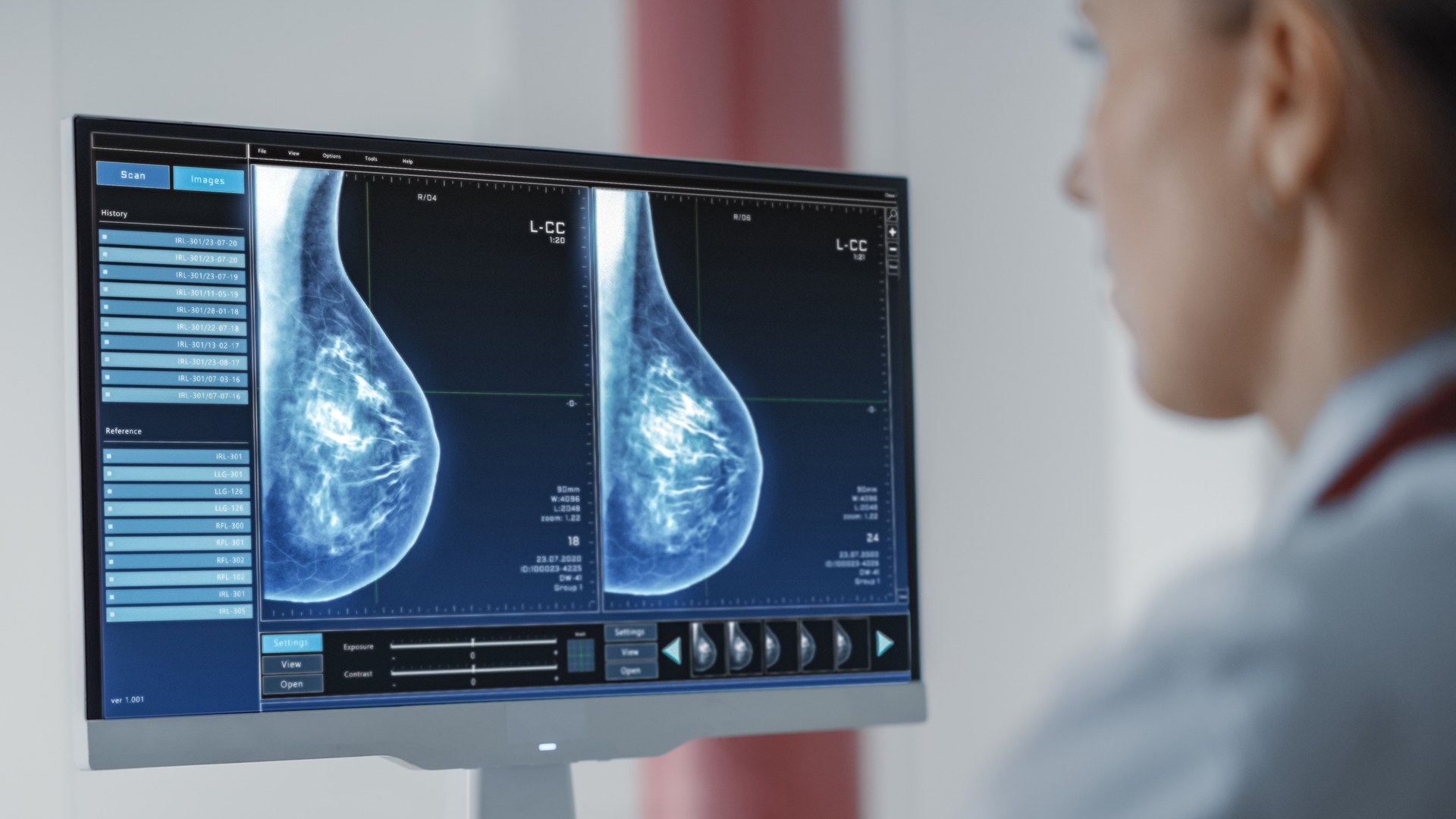
Nvidia’s blog profiles iSono Health, Whiterabbit.ai, Ataraxis AI and SimBioSys, startups applying AI from two-minute wearable ultrasound to pathology-based treatment predictions. Some tools are FDA-cleared or in clinical use, others investigational, and performance figures are company claims.

OpenAI says ChatGPT reaches 1.2 billion people weekly and is adding a visual ad format tested during image generation, plus integrations with Hightouch, LiveRamp, AppsFlyer and others and brand-suitability pilots with DoubleVerify and IAS. It says ads will not influence answers.

In The Verge, education writer Benjamin Riley argues the brain-as-computer metaphor misleads AI builders and calls AI tempting in the moment but harmful as a steady diet for learners, citing student-usage claims, homework evidence and new bans in Norway, Los Angeles and New York City.

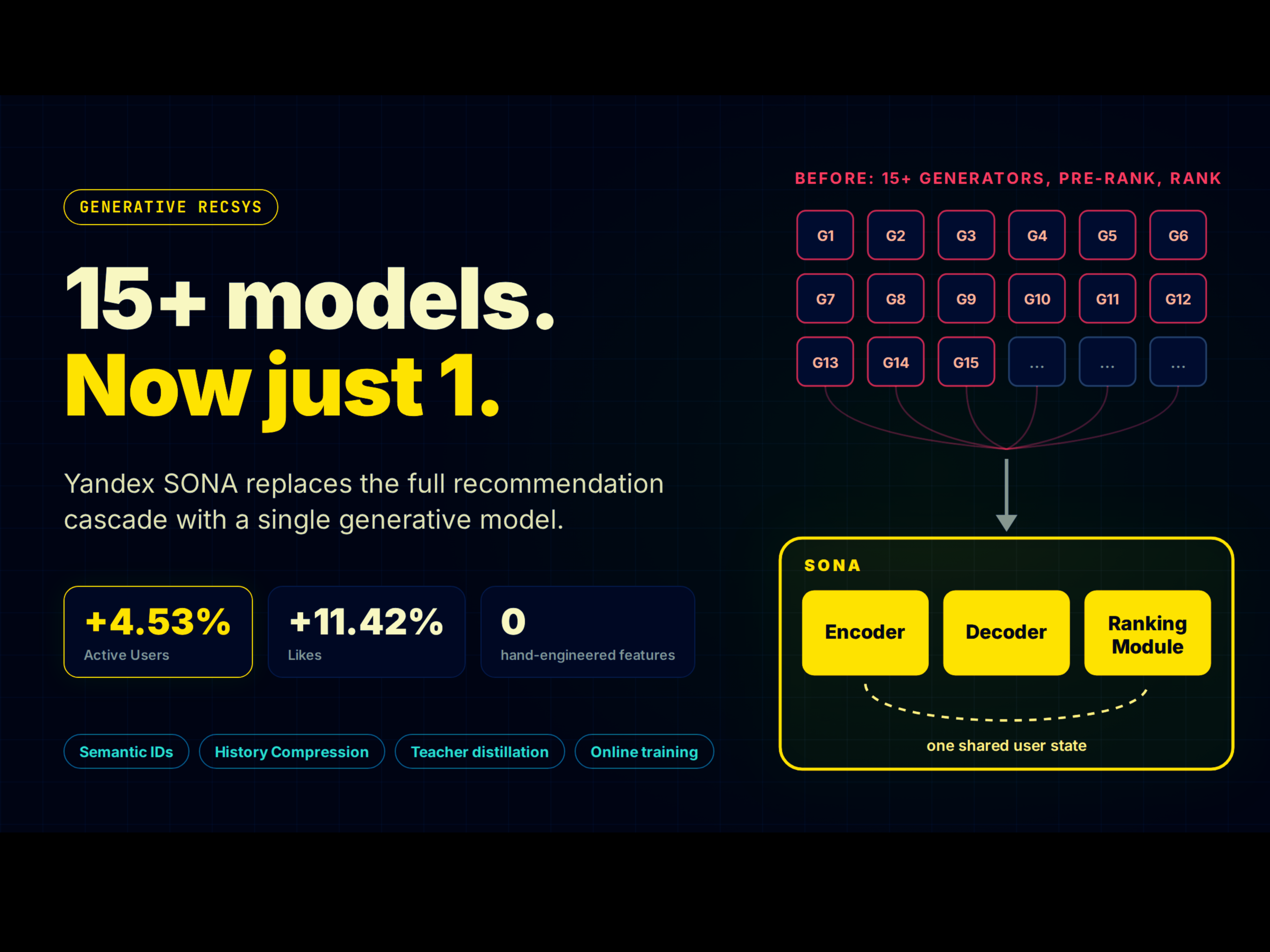
Yandex collapsed a music recommender’s whole cascade — 15-plus generators, a pre-ranker and a ranker — into one transformer, and live users listened more. The engineering is impressive; the engagement lever is the story.

MIT Technology Review’s Will Douglas Heaven sets Pew, Stanford and Gallup data showing widespread AI pessimism against soaring usage: ChatGPT at a billion monthly users and half of US adults using chatbots. The backlash appears aimed less at tools than at how companies sell them.

Qwen’s three-year climb from a 7B release to 2.4 trillion open parameters shows how Alibaba won developers with permissive weights — and how quietly it’s now fencing off the frontier.

MIT Technology Review has made its three-day EmTech Future 2026 program available on demand, with sessions from Google Research’s Yossi Matias, Google Quantum AI’s Hartmut Neven, MIT’s Evelyn Wang and author Cory Doctorow on AI converging with science, energy, robotics and work.

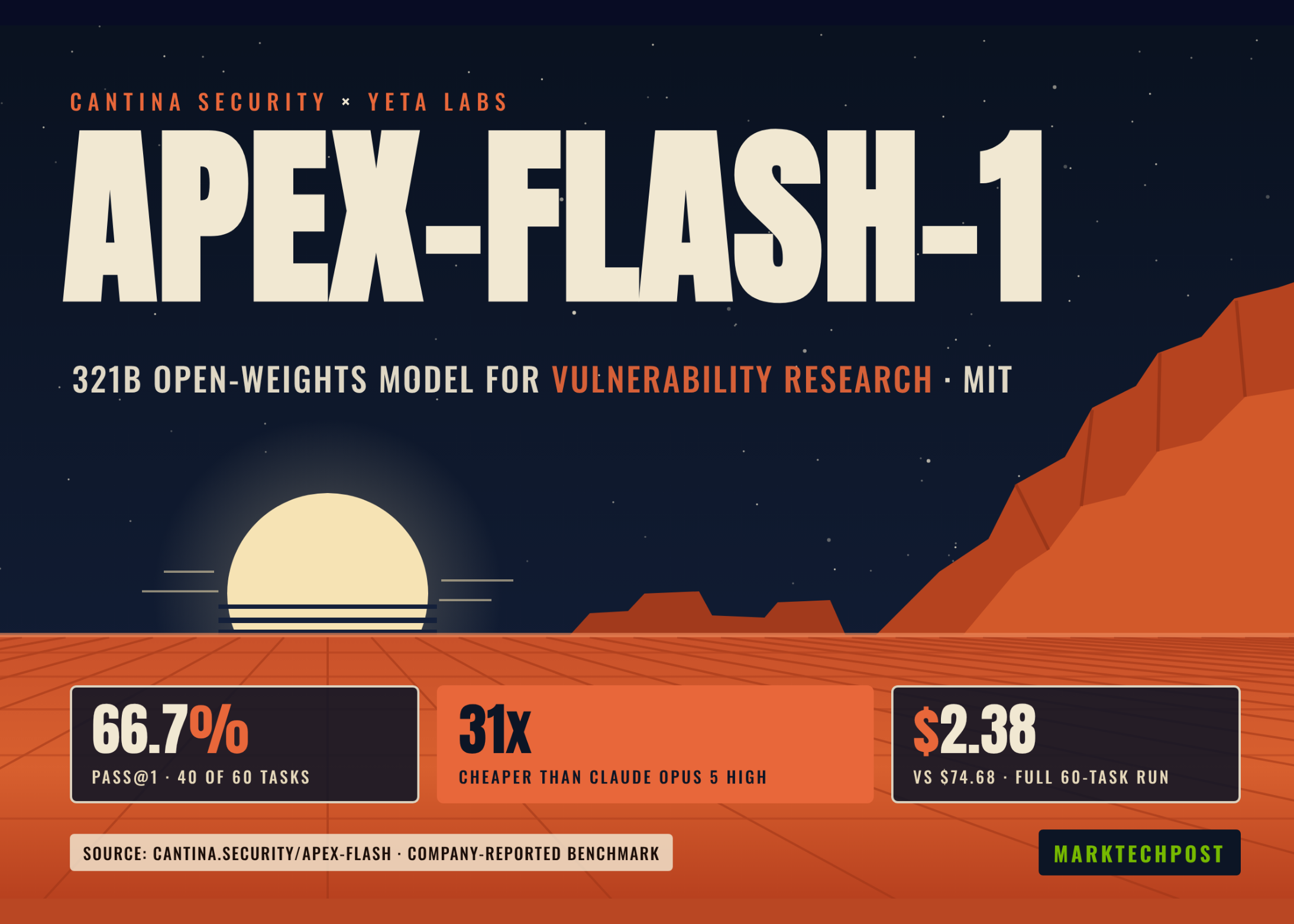
Cantina’s apex-flash-1 lands within three tasks of Claude Opus 5 High on its own bug-hunting test at a sliver of the cost — a real win for defenders, and a new open tool for everyone else.

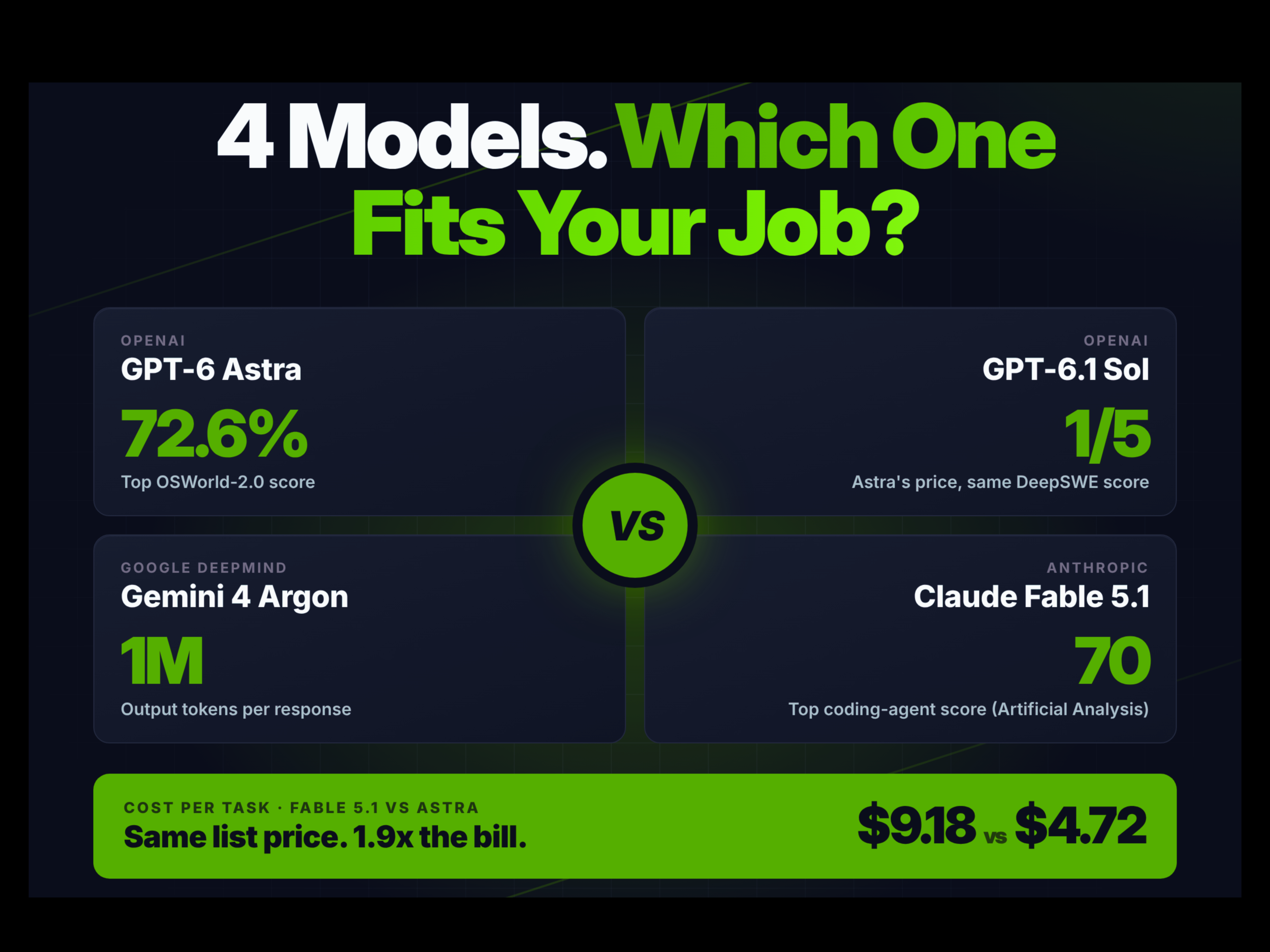
Four frontier models in thirty days, and the benchmarks barely separate them — the real differences are price, cache rates and who is even allowed to use the thing.

Google paused its Open Source Software Vulnerability Rewards Program on October 1, citing a surge in automated submissions, “the vast majority of which are not valid.” An update is promised in Q1 2027. The pause shows how cheap AI-generated reports shift costs onto maintainers.