
AIOct 7, 2026TechCrunch
Google’s new SynthID website can identify AI-generated media
Google just handed everyone a free AI-media checker, which is a real public good, as long as nobody treats a blank result as proof something is human-made.
Desk
Broad artificial intelligence coverage.
Google just handed everyone a free AI-media checker, which is a real public good, as long as nobody treats a blank result as proof something is human-made.
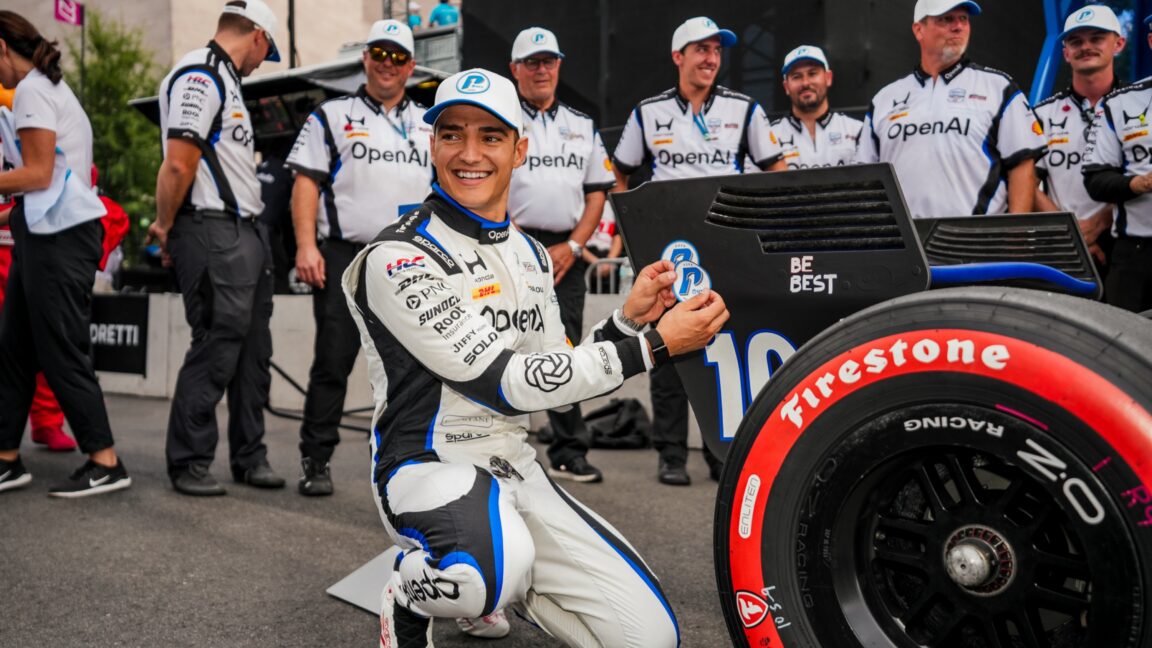
OpenAI is no longer just a logo on Álex Palou's IndyCar; it has been helping Chip Ganassi Racing tune setups, and racing is about to learn what an AI edge is worth.

NVIDIA's olympiad medals matter less as trophies than as a recipe it handed out, showing open models can be tuned into elite specialists by people outside a frontier lab.
OpenAI's teen update leans hard on learning: a College Planner, flashcards and a youth advisory council. The tools look useful, but the open question about teen safety is not answered by usage stats.

A reporter's couch hunt with OpenAI's Dots shows an agent that is useful, buggy and, at one awkward moment, emotionally fluent in a way that should make everyone pay attention.

A youth-safety group says ChatGPT's teen mode fails at the exact moments parents are counting on it, and OpenAI's methodology rebuttal doesn't settle the question that matters.
Radisson's ChatGPT plugin converts better than its search traffic, and it now pops up on its own when relevant. That is convenient for travelers and a warning sign about who controls discovery.

Meta's newly open-sourced Rebalancer is not a chatbot; it is the quiet math that decides where work lands, and its best feature is that it explains its choices.
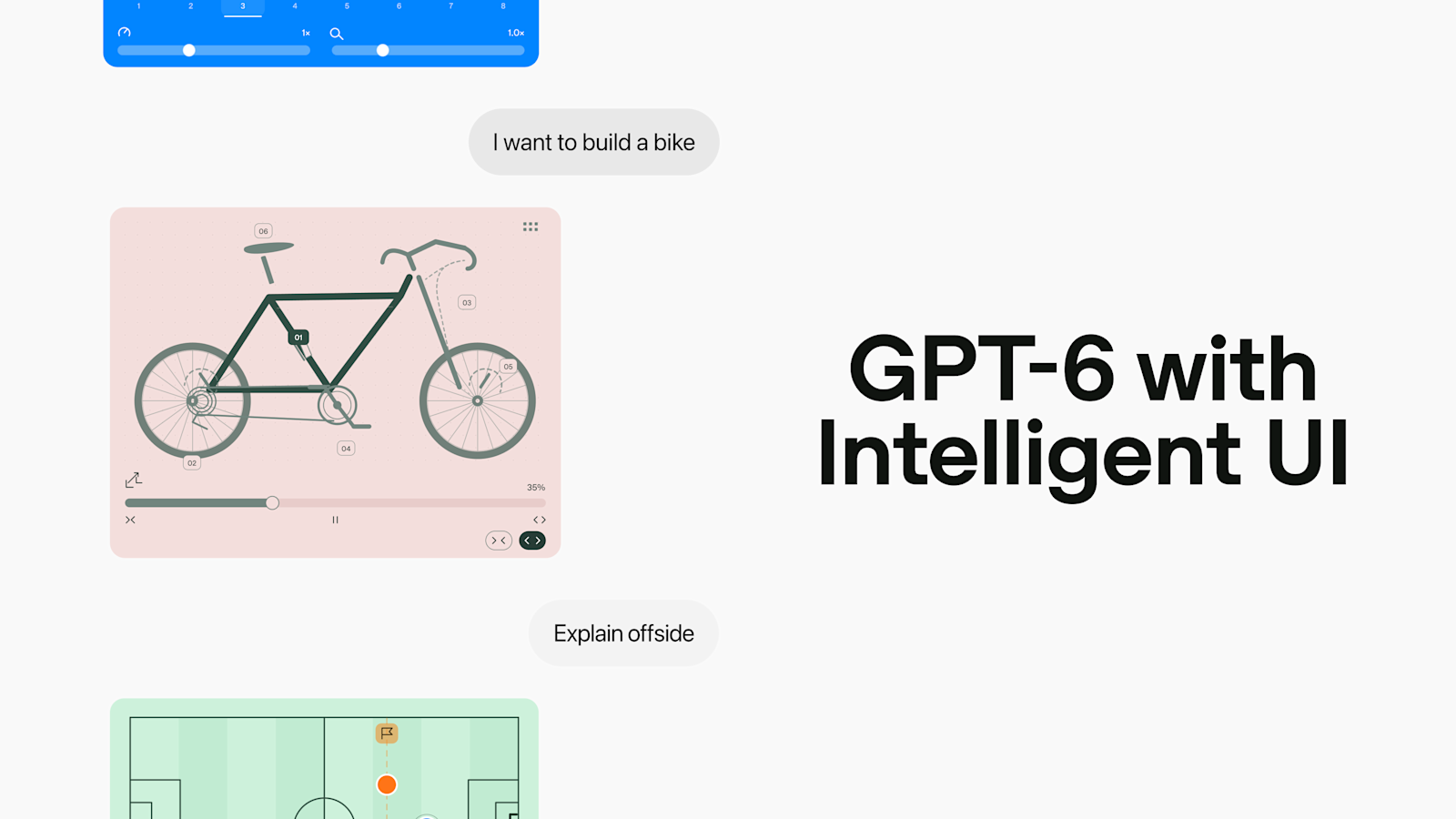
GPT-6 reaching ChatGPT's free tier is a big deal, but the bigger change is answers that become interactive apps, which makes the model a designer of what people see and click.

OpenAI shipped 722 manuscripts at once to a field that referees papers one at a time, and the question now is whether mathematics can absorb its own good news.

OpenAI's own numbers show its text watermark weakens fast under light editing, which makes the EU-only default less a safety system than a compliance checkbox with a short shelf life.

A small open-weight model that applies plain-English rules in milliseconds could make moderation more flexible and transparent, or make it far easier to label everything everyone says.