Giga-Scale AI and the Ethernet Evolution: How Spectrum-X Ethernet Rewrites the Rules
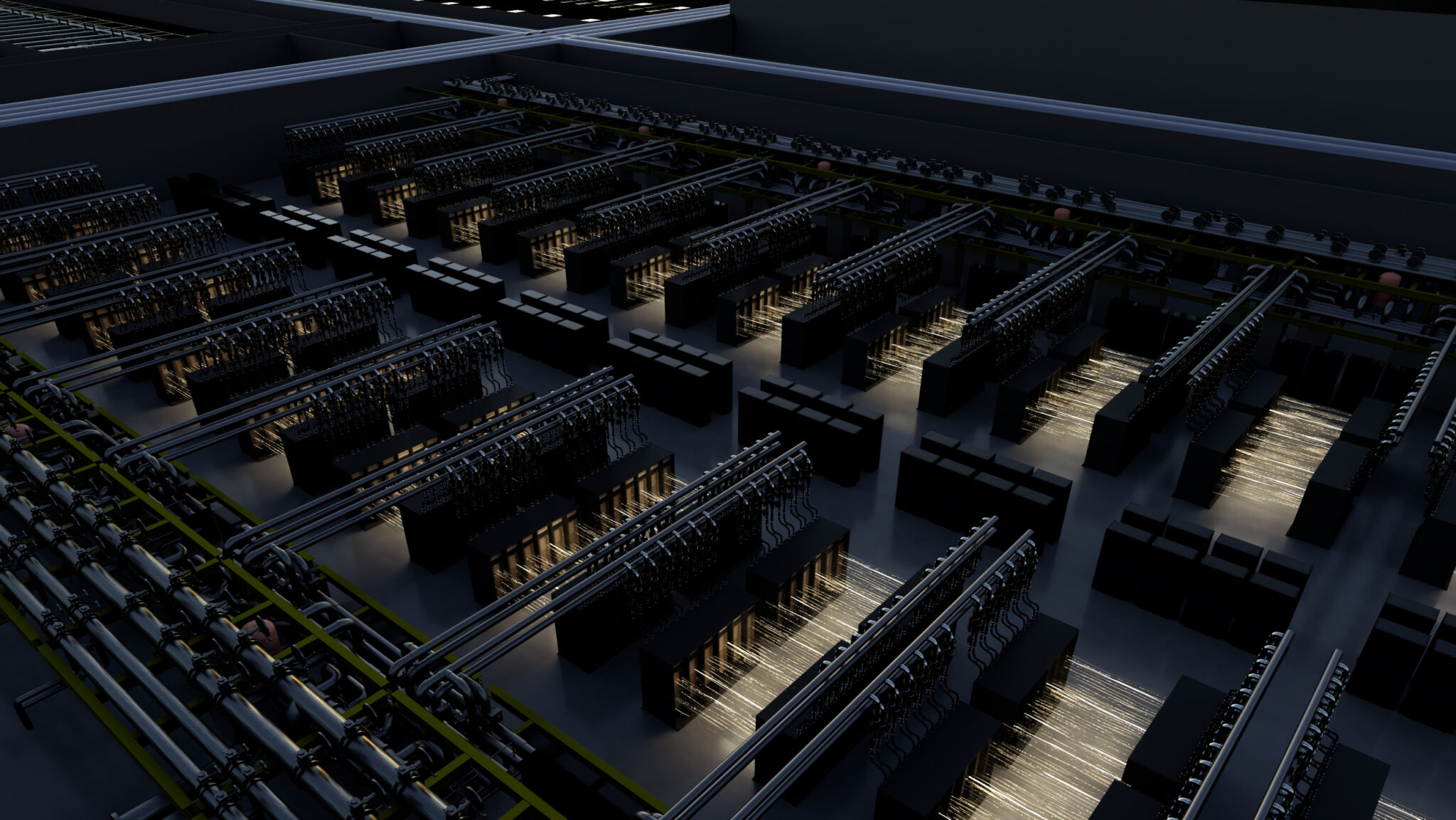
NVIDIA’s Spectrum-X case is that synchronized AI traffic needs hardware routing and per-plane failure isolation, not merely faster Ethernet links.
Desk
Generative models for text, image, audio, and video.

NVIDIA’s Spectrum-X case is that synchronized AI traffic needs hardware routing and per-plane failure isolation, not merely faster Ethernet links.

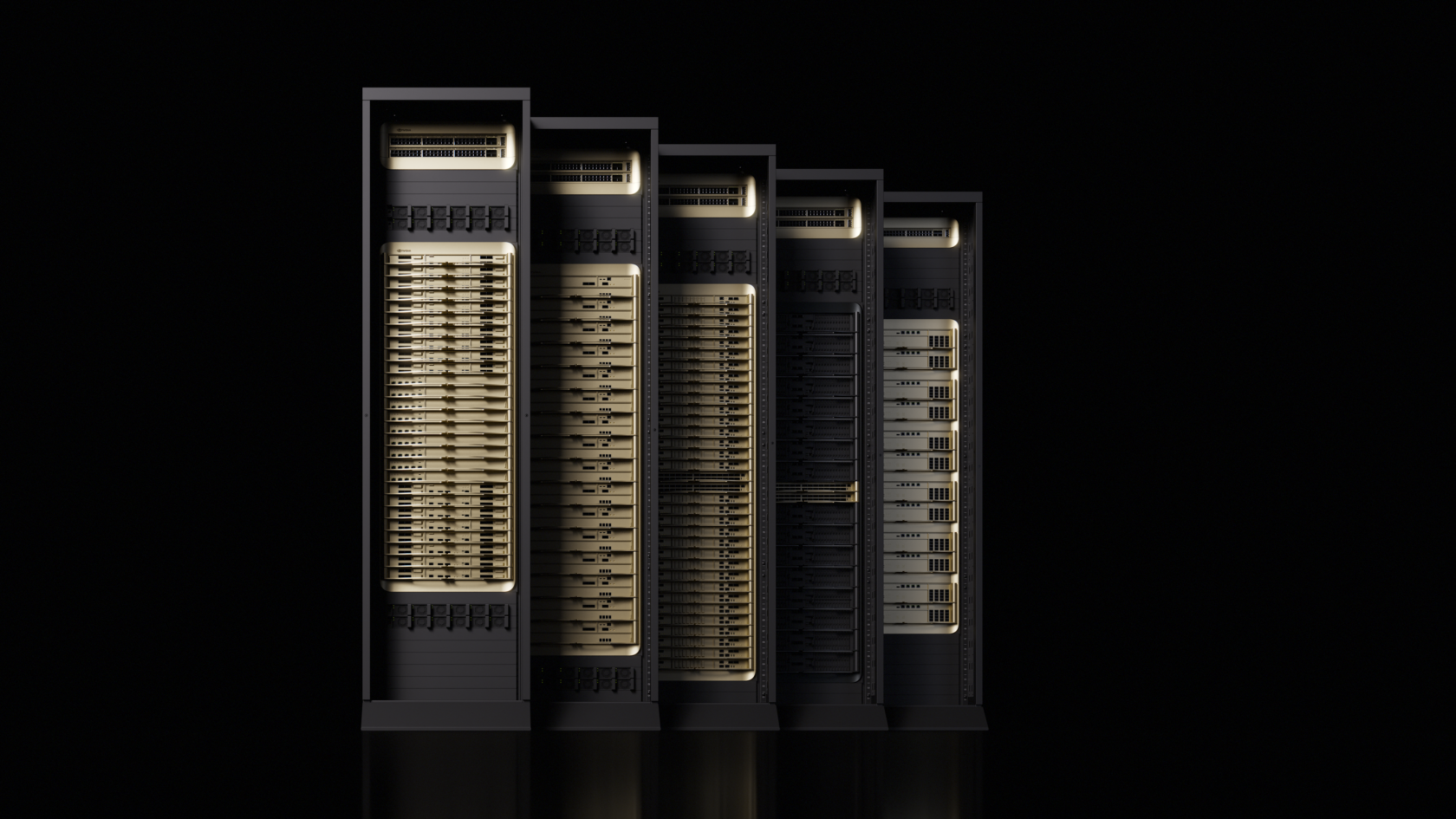
NVLink Fusion is less about custom silicon than letting custom silicon inherit a mature rack, network, cooling and software envelope.

NVIDIA is splitting long-context inference between Rubin GPUs for context work and Groq LPX for decode, treating token latency as a rack-level problem.

DSX MaxLPS treats stranded rack power and cooling overhead as capacity, aiming for more inference output without a larger grid connection.

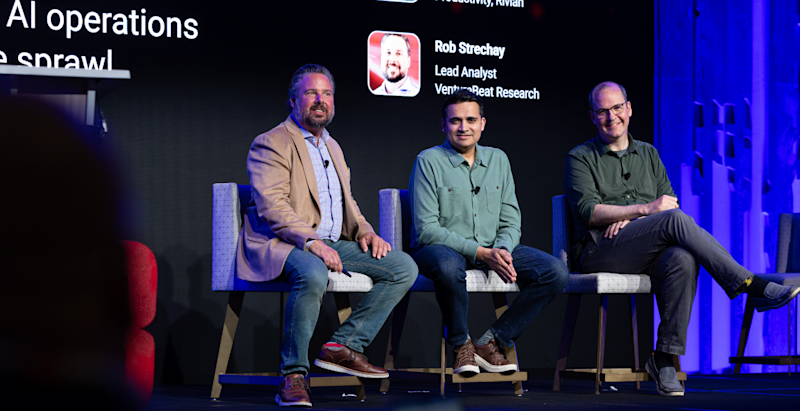
VentureBeat is building a research franchise around the operational questions that arise after enterprise AI leaves the pilot phase.

CARE-X argues radiology AI needs calibrated outputs and exact measurement rather than fluent prose, a practical rebuke to general-purpose vision-language systems.

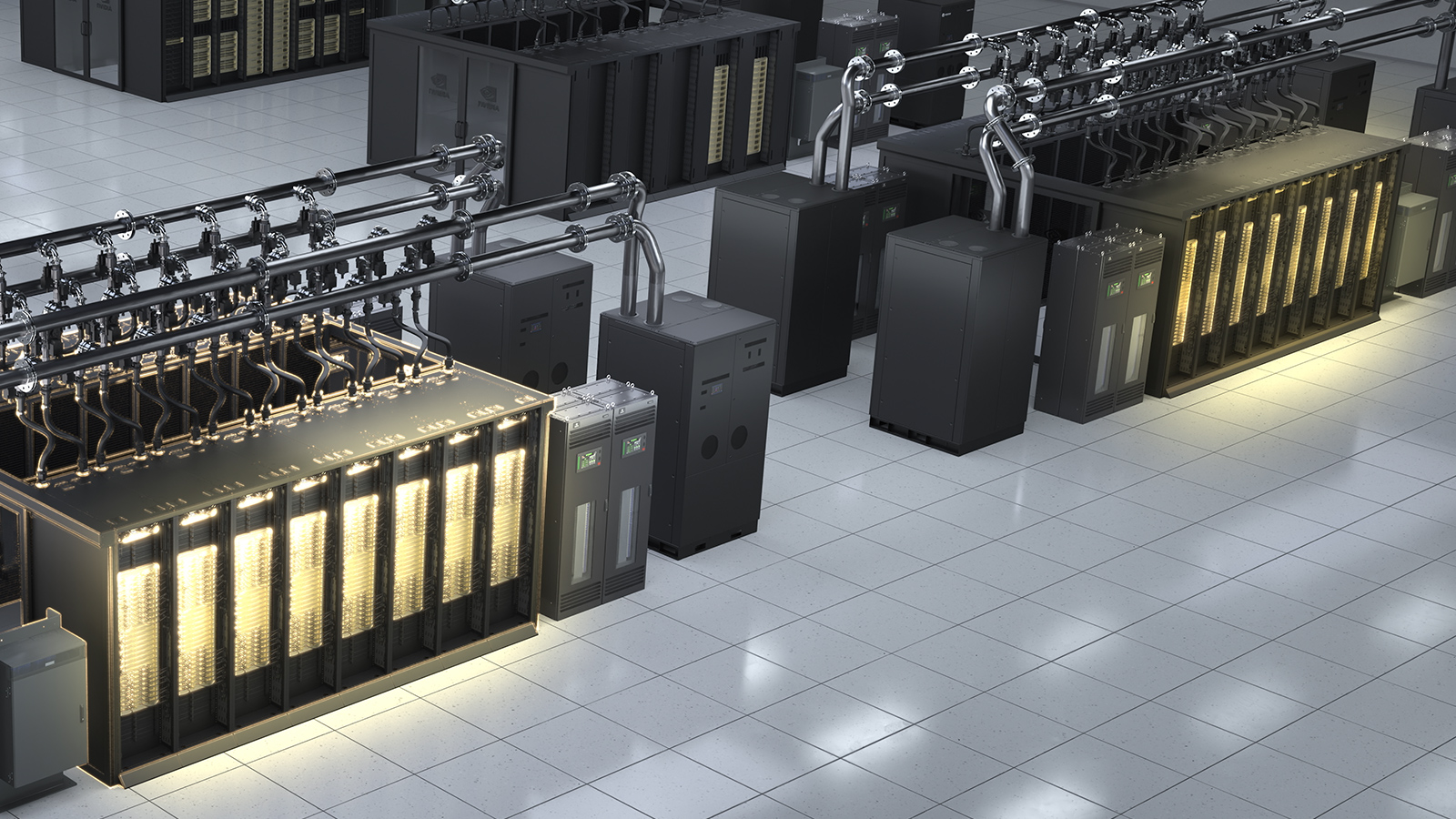
The next AI bottleneck is moving inside the electrical path, where 800-volt direct current could preserve existing sites while making far denser racks feasible.

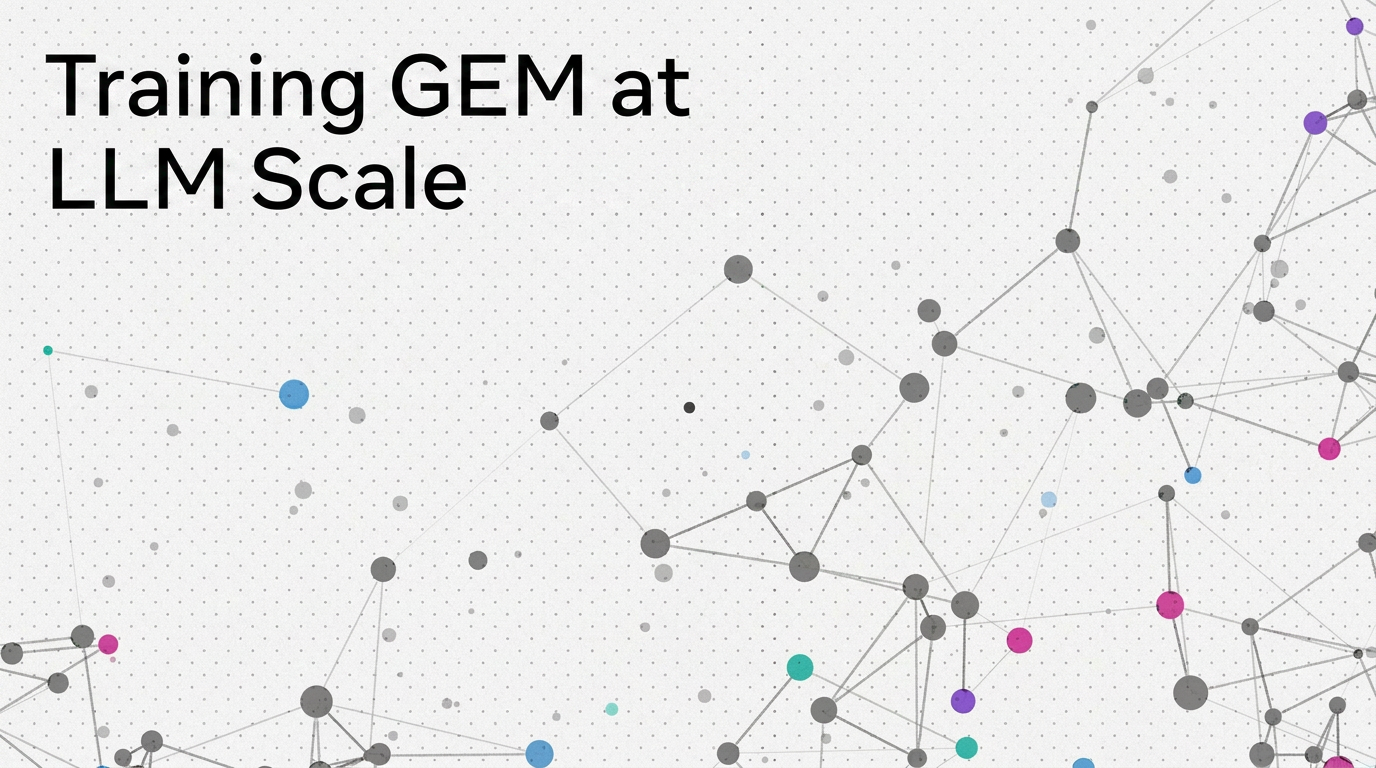
Meta’s ads model shows LLM infrastructure does not transfer cleanly to recommendations; efficiency comes from rebuilding kernels and parallelism around irregular user histories.
ATL Saathi makes India’s school tinkering initiative a test of curriculum-grounded, multilingual AI support for teachers.

SilverTorch folds indexes, filters and ranking into one PyTorch graph to spend retrieval latency on more candidates and richer scoring.

Railway’s $100 million Series B funds a vertically integrated cloud pitch built around deployment speed and agent-callable infrastructure.