
AISep 2, 2026Google DeepMind
Introducing Gemini 3.8 Flash and 3.8 Flash Cyber
DeepMind's Gemini 3.8 post is a vendor scoreboard: same introductory price as 3.7, more tokens if you let it 'work harder,' and Cyber locked behind Fairwind.
Desk
Google, DeepMind, and Gemini developments.
DeepMind's Gemini 3.8 post is a vendor scoreboard: same introductory price as 3.7, more tokens if you let it 'work harder,' and Cyber locked behind Fairwind.

Google hired YouTube's first 500-million-subscriber channel to take Gemini camping. This is not a research drop. It is a bid to make the model look useful to people who do not read model cards.

Google is waving hundreds of millions at studios for training rights and character licenses. Hollywood would be selling Google a legitimacy story it cannot buy from another model card.

Google's latest Android drop copies Apple on motion sickness and chat themes, then uses Gemini to justify the rest. Accessibility is the cover; distribution of Gemini is the point.
Google's August recap is a victory lap: a cheaper Flash model, a billion Gemini users, and a student giveaway. The cadence and the price cut are the competitive moves.

Google Pics ships into Workspace as a prompt-first design layer. The product is not a Canva clone. It is a bet that most office graphics never needed a marketplace of human templates.
Google gave Gemini the ability to decide what part of a video to watch. Up to 88 percent fewer tokens and 66 percent lower cost is the pitch; the real shift is video stopping being a fixed-rate stream.
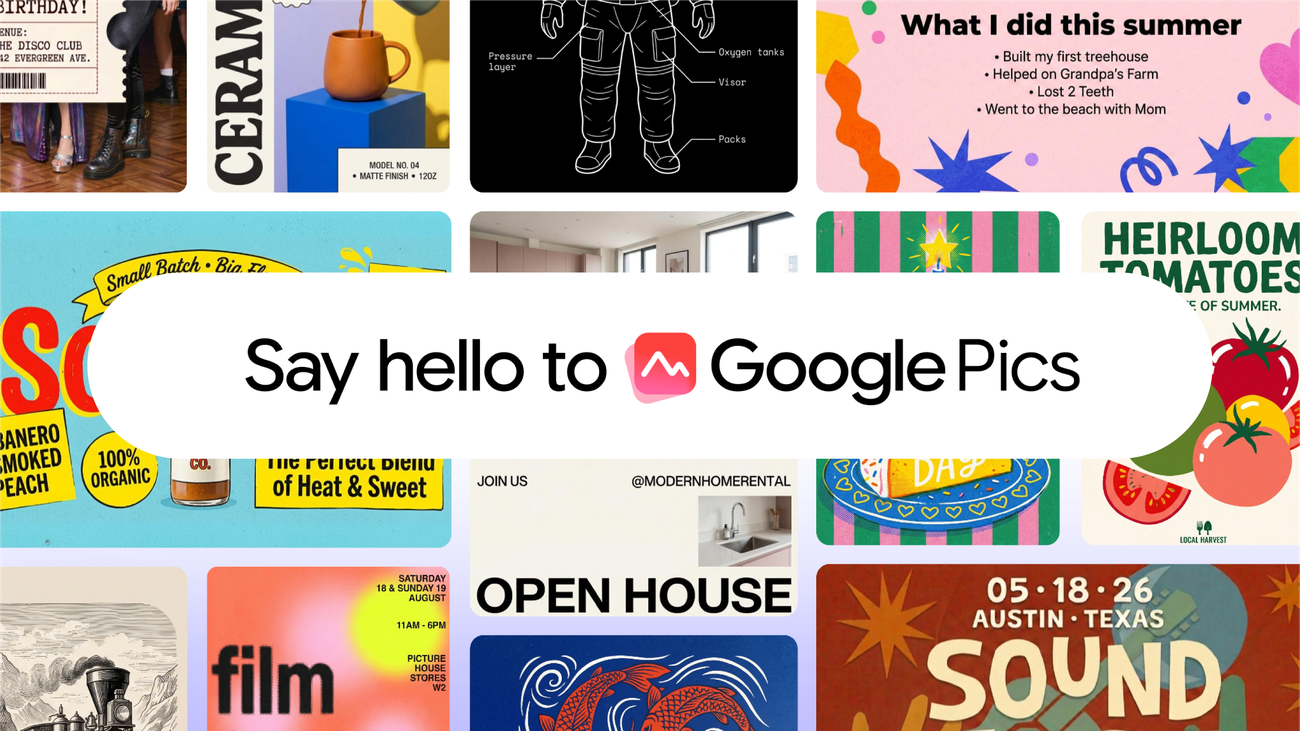
Google Pics puts generative image editing inside Workspace, making prompt-driven visual production a native document workflow rather than a separate creative application.

The Verge’s read on Google Pics is a Workspace lock-in story: tap an object, describe the change, stay in Slides. The design tool is a feature. The switching cost is the point.

The Pentagon is putting tailored versions of ChatGPT and Grok behind a secure portal, making commercial frontier models part of routine defense work without consumer data channels.

Google’s video update is less about prettier generation than about giving developers edit-like controls over continuity, iteration and output quality.
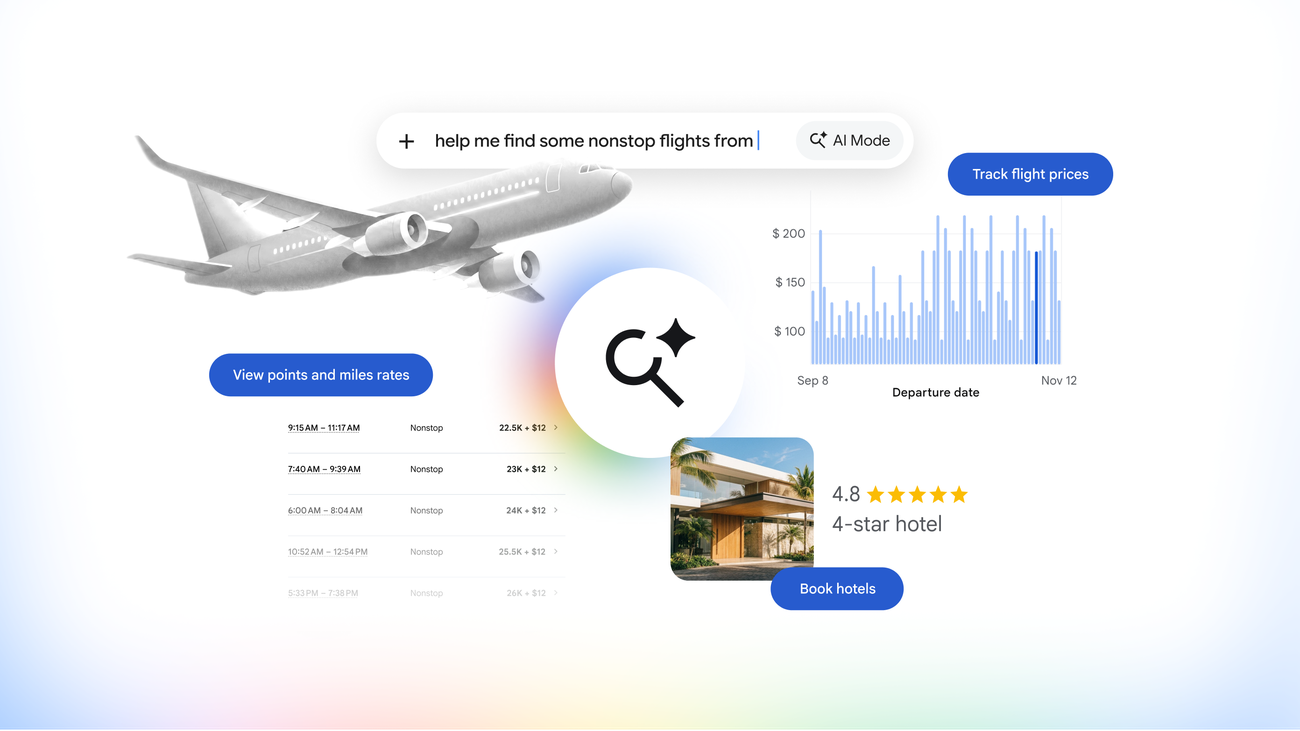
Google is moving travel AI from recommendation toward transaction, adding price alerts, loyalty redemption and hotel checkout inside Search.