AI · Nov 18, 2026
Meta now lets agents carry most ad-model upgrades across its fleet, and claims $45 million in compute savingsMeta is the first Big Tech firm to blink on 2030 climate targets, and it won’t be the last
· Updated · Signal Desk newsroom
Analysis of reporting by Ars Technica. How we work
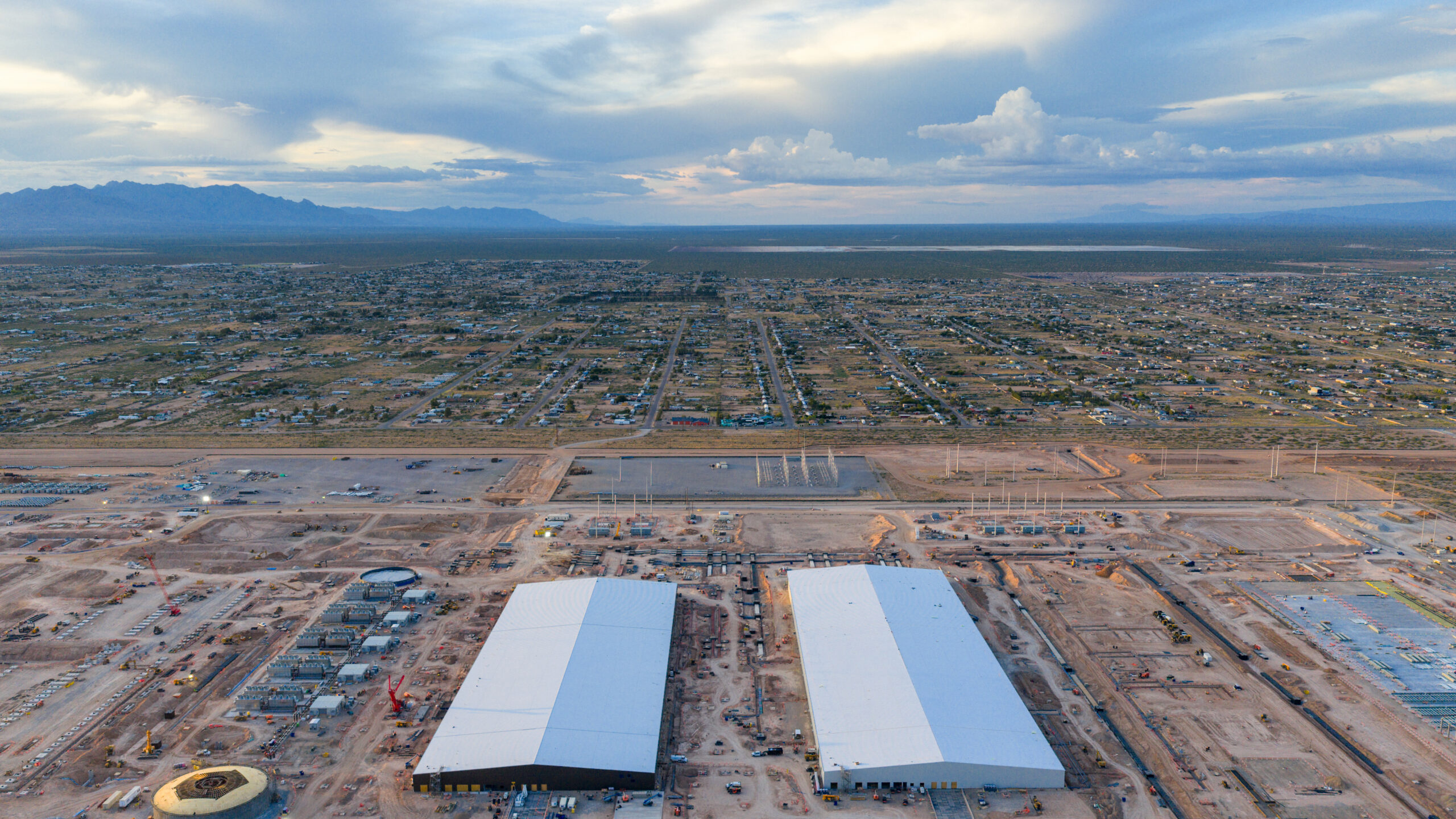
Meta’s footprint jumped nearly 40% in a year and it is now rethinking its 2030 net-zero date. The admission is more honest than rivals’ silence, but honesty is not a plan.
Key takeaways
- Meta’s 2026 sustainability report says it is re-evaluating timelines and interim milestones, including the 2030 net-zero date and near-term intensity targets.
- Total emissions rose from 15.6 million to more than 21.7 million metric tonnes of CO2 equivalent between 2024 and 2025, nearly 40%, the steepest increase among the four largest U.S. tech companies.
- Net emissions after renewables and carbon removal rose about 45%, from more than 8.1 million to more than 11.8 million tonnes.
- Microsoft, Google and Amazon reported increases of 25%, 18% and 16% and have so far kept their original goals.
- Meta is the only hyperscaler reporting indirect water use, which rose from 19 billion to more than 26 billion gallons.
Saying the quiet part
Every hyperscaler racing to build AI data centers has been living with the same contradiction: climate goals set before the boom, and a buildout that makes them harder to hit each quarter. Meta is the first of the big four to say so in writing. Its latest sustainability report, introduced by data center vice president Rachel Peterson and net-zero lead Blair Swedeen, says the company is re-evaluating its timelines, sequencing and interim milestones, including the 2030 date for net zero. Their explanation is that demand for AI infrastructure grew faster than nearly anyone expected.
Amazon, Google and Microsoft have all held to their original goals so far. That makes Meta’s move a real break, not a footnote. It also fits a pattern. Weeks ago, Meta’s president conceded that election backlash would make data centers harder to build and that the industry had explained the benefits poorly. Now it is admitting the climate costs are outrunning its plans too.
The numbers behind the rethink
The figures are stark. Meta’s total emissions rose from 15.6 million metric tonnes of carbon dioxide equivalent in 2024 to more than 21.7 million in 2025, nearly a 40% jump, the largest percentage increase reported by any of the four biggest U.S. tech companies. Ars Technica compares that footprint to the entire state of Idaho. Microsoft reported a 25% rise, Google 18% and Amazon 16%. Meta attributes much of its increase to capital goods such as data center servers, which means the emissions come from building the machines as much as running them.
Even after counting renewable projects and carbon removal, net emissions climbed about 45%, from more than 8.1 million tonnes to more than 11.8 million. That is the number that undercuts the usual reassurance. Offsets and clean-power matching were supposed to absorb growth. At this pace, they are falling behind it.
It is fair to note that Meta likely still has one of the smaller total footprints among the giants, so a big percentage jump starts from a lower base. That context matters. It does not change the direction.
Water, and a small credit
The water picture is mixed. Meta cut direct facility consumption from 825 million to 790 million gallons. But consumption in water-stressed areas rose from 198 million to 246 million gallons, and water tied to the electricity it buys jumped from 19 billion gallons to more than 26 billion. That last figure is the important one, because it shows the bulk of data center water use happens at power plants, not cooling towers.
Meta deserves credit for reporting that indirect number at all; Data Center Dynamics notes it is the only hyperscaler that does. Rivals should match it. A company that discloses more and looks worse is still doing the public a bigger favor than one that discloses less and looks better.
Honesty is not a plan
We would rather a company admit a target is slipping than cling to a date it cannot reach. But a re-evaluation without a new commitment leaves a vacuum. Meta has not said what the revised timeline is, which interim targets will change, or how it will curb the gas-fired power that many AI campuses, including those of its rivals, still lean on. The risk is that a candid report becomes cover for an open-ended pause. With public pressure rising after AI backlash shaped the midterms, as Ars notes, communities weighing new campuses will want specifics, not ambitions. Our coverage of the industry’s spending plans suggests the buildout itself is not slowing, so the emissions problem will not either.
Who it affects
- Communities near data centers
- Higher emissions and growing water use in stressed regions strengthen the case for local conditions on new projects.
- Rival hyperscalers
- Meta’s move makes it harder to keep 2030 goals intact without showing their own math.
- Investors and buyers
- Climate commitments in vendor and ESG reviews may need fresh scrutiny if targets are being reset.
- Regulators
- Indirect water reporting from one company shows what mandatory disclosure could look like for all of them.
What to watch
- Meta’s revised net-zero timeline and new interim targets, and whether they come with dated milestones.
- Whether Microsoft, Google or Amazon follow with their own resets in upcoming reports.
- How much of Meta’s new capacity runs on natural gas versus contracted clean power.
- Whether other hyperscalers begin reporting indirect water use.
FAQ
Has Meta abandoned its 2030 net-zero goal?
Not formally. Its 2026 sustainability report says it is re-evaluating the 2030 timeframe and interim targets while saying its long-term ambitions have not changed.
How much did Meta’s emissions grow?
Total emissions rose from 15.6 million to more than 21.7 million metric tonnes of CO2 equivalent between 2024 and 2025, nearly 40%. Net emissions rose about 45%, to more than 11.8 million tonnes.
How does Meta compare with other tech giants?
Its percentage increase was the highest of the four largest U.S. tech companies; Microsoft reported 25%, Google 18% and Amazon 16%. Meta likely still has one of the smaller total footprints.
Companies: Meta
More on Meta
AI · Nov 19, 2026
Apple wants to build the Mac agent it is warning users aboutAI · Nov 13, 2026
A week with Claude Duet: good at catching what falls between apps, shaky on tone and urgencyAI · Nov 10, 2026
Anthropic moves beyond coders with Claude Meetings, Sheets and WhiteboardsAI · Nov 9, 2026
Meta’s Muse Ember prices agent grunt work at 10 cents per million tokens