Meta Launches Muse Wonder and Muse Wonder Full: Benchmarks, Pricing and How to Use It
Meta’s Muse Wonder puts a frontier agent model on a public Model API at $4/$20 per million tokens, with Wonder Full gated behind paid Muse Code plans.
Desk
Meta AI research, Llama, and related products.
Meta’s Muse Wonder puts a frontier agent model on a public Model API at $4/$20 per million tokens, with Wonder Full gated behind paid Muse Code plans.

Shopify is letting shoppers point any AI agent at its billion-plus listings via Shop—human approval still required, platform power shifting toward agent checkout.

Meta brings Instagram’s “Your Algorithm” to Facebook—natural-language feed steering that sounds like user power and works like better engagement machinery.

Victoria Song’s Verge review finds Meta’s $349 audio-only Ray-Bans socially easier to wear—useful as open-ear headphones, still thin as an AI product.

The Verge’s take on Your Algorithm stresses Meta’s deeper LLM ranking: an algorithm you can talk to, updating recommendations inside the same session.

Meta’s GEM ads foundation model moves to one cross-surface brain—claiming 18.9% conversion and 12% CTR lifts while training at nearer-LLM scale.

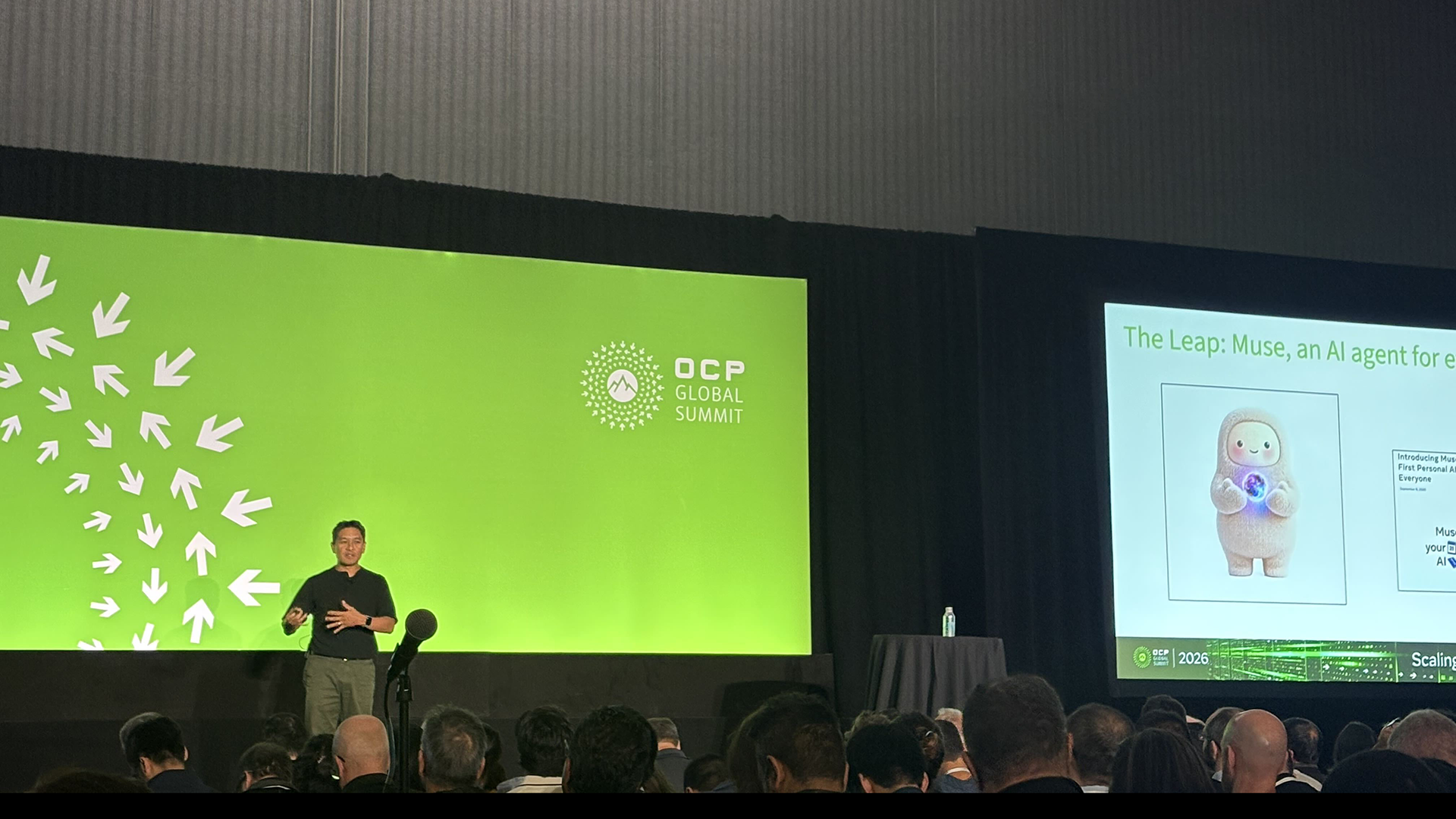
Meta is putting liquid-cooled 102.4T switches, a multiplane fabric, and open Ethernet scale-up designs on the OCP table — the plumbing that has to keep pace with Muse-scale models.

Meta’s Superintelligence Lab finally ships Muse Wonder and Wonder Full — priced like peer frontier APIs, pitched on long-horizon memory, and aimed straight at the Muse agent.

WIRED’s read matches ours: Muse Wonder puts Meta back among the top models — with Active Memory and Active Focus sold as guardrails against agents going sideways.

Meta’s Superintelligence Labs is shipping Muse Wonder and Wonder Full into paid Code subscribers, claiming parity with GPT-6 Astra and Claude’s top models—before the agent itself runs on them.

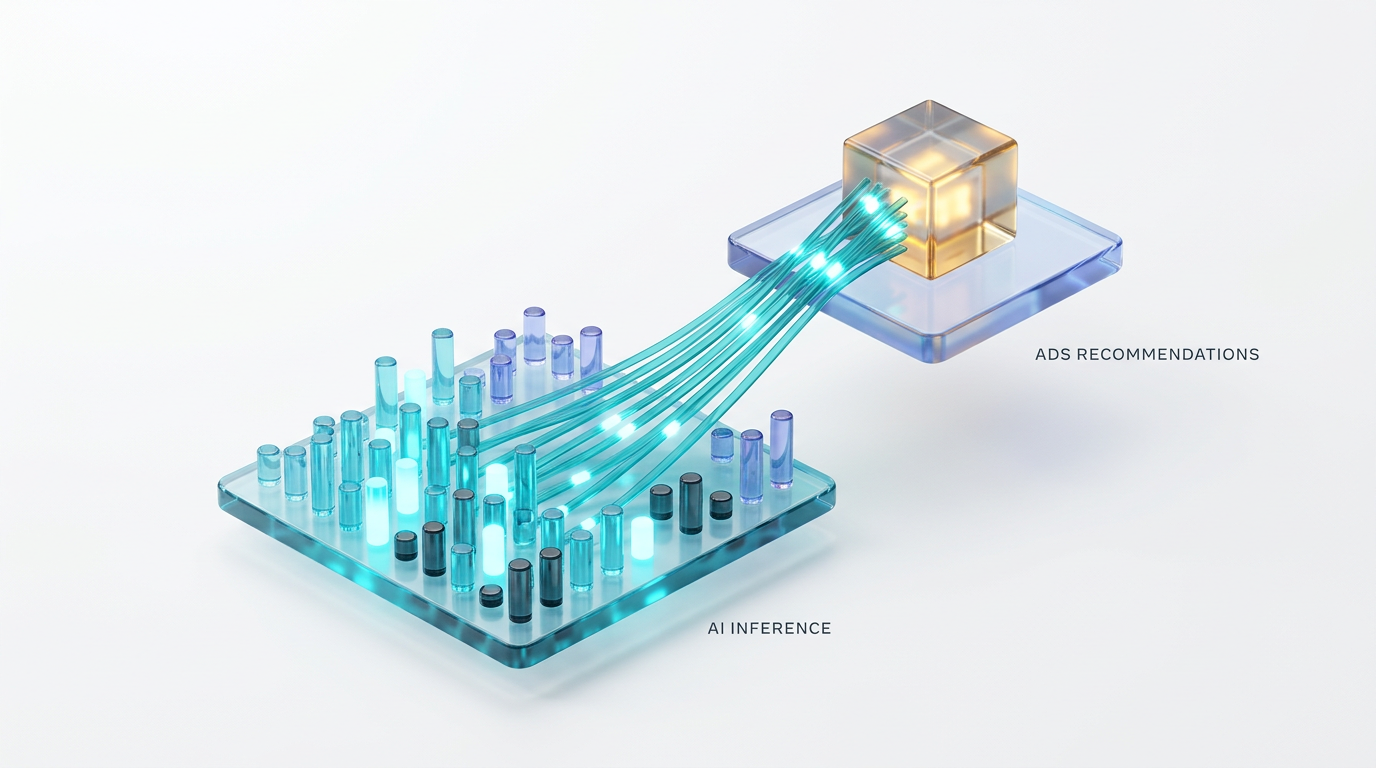
Meta’s ads stack turns stranded idle accelerators into optional ranking work—more candidates or stronger models—without letting that work spill onto the capacity that protects baseline latency.

OpenAI and Meta are now selling their agents on privacy, each one cast as the safer choice. A promise is not an architecture, and the gap between the two is where people get burned.