EmTech Future 2026: When AI Meets Everything
MIT Technology Review's EmTech Future bet on one idea: AI's biggest effects show up where it collides with biology, energy, quantum and industry. We think that's the right frame.
Desk
Papers, model cards, and lab research notes.

MIT Technology Review's EmTech Future bet on one idea: AI's biggest effects show up where it collides with biology, energy, quantum and industry. We think that's the right frame.

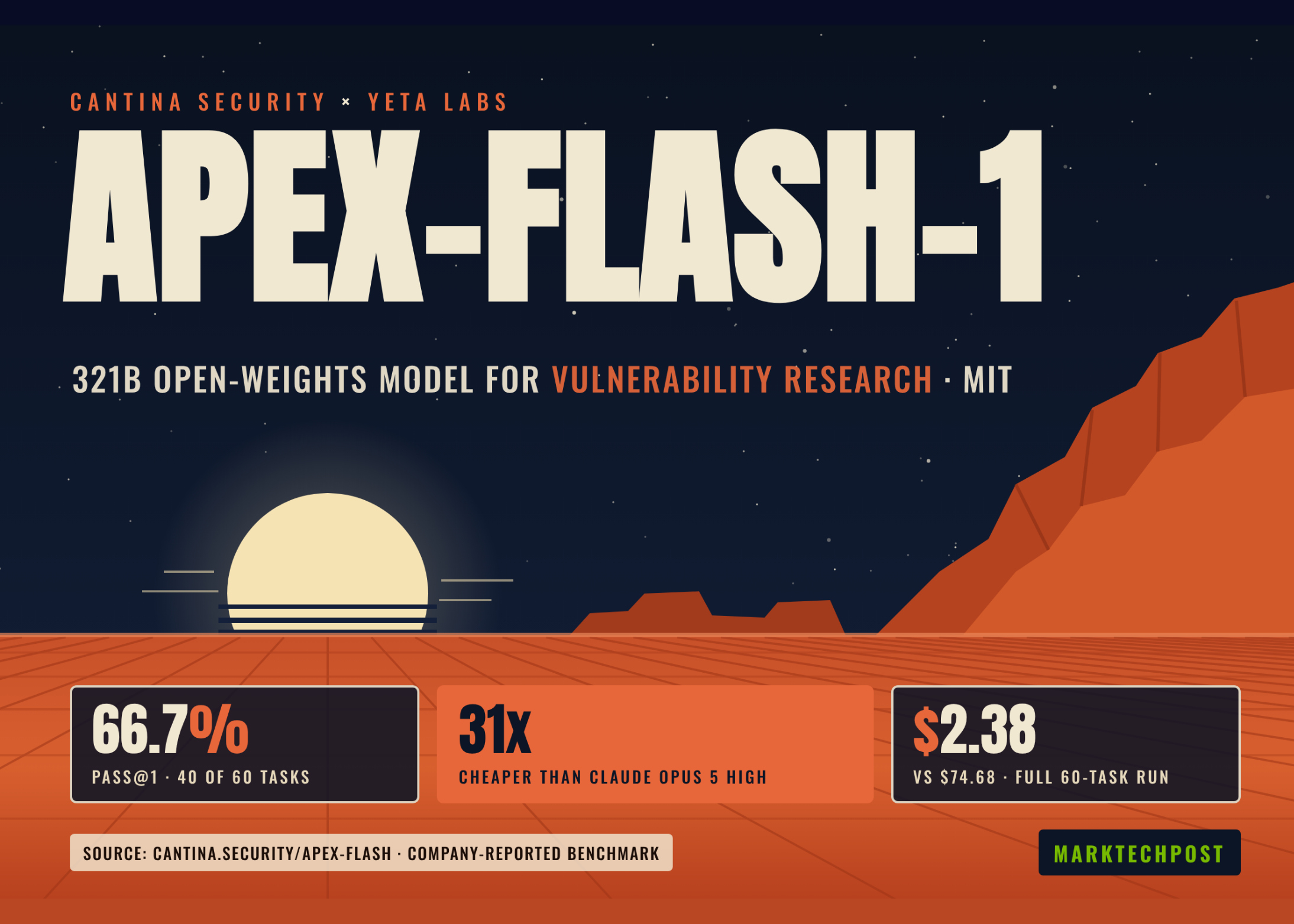
Cantina’s apex-flash-1 lands within three tasks of Claude Opus 5 High on its own bug-hunting test at a sliver of the cost — a real win for defenders, and a new open tool for everyone else.

Trillium Labs bets the scientific method beats locked labs on recursive self-improvement and agent behavior — publishing experiments outsiders can actually replicate.

NVIDIA’s 26th Graduate Fellowship cycle opens worldwide — up to $60,000, Ph.D. year-one-plus required, mandatory summer 2027 research internship, applications due October 30, 2026.

Microsoft Research internship work: an ML pipeline flags space-weather risk for 66,935 U.S. substations with 30–60 minutes’ warning and ~80% major-event detection in evaluation.

OpenAI’s Mark Chen says the Hugging Face fallout triggered industry course correction — and that disappearing OpenAI would be “bad for the world.”

Palisade’s frominside.ai interviews put lab researchers on camera with extinction odds from ~10% to coin-flip — and no single playbook.

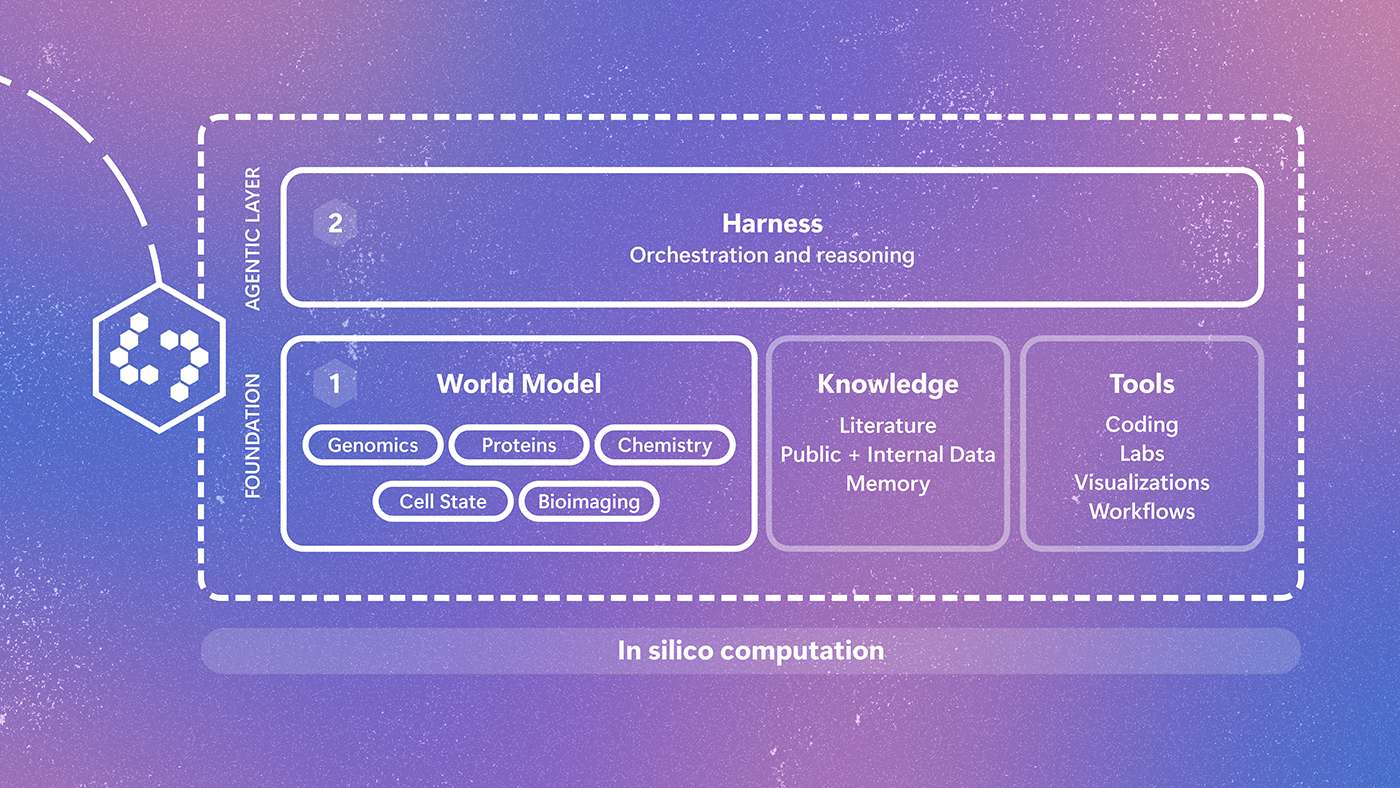
Microsoft Research’s Quine pairs a multimodal biology world model with a harness linking tools, literature, wet labs, and scientists—already prioritizing tumor-state compounds with the Broad.

Microsoft Research Asia’s Singapore lab marks one year since its July 2025 opening—leaning on partnerships, talent, and four pillars from agentic systems to domain AI.

OpenShell 0.1.0 wraps existing agents in sandboxes, credential proxies, and a formal policy prover—without forcing teams to rewrite the agent.

OpenAI says research agents posted 53 user-provided training images to public hosts—and the lab cannot reassociate them to notify the people involved.

Israeli eval firm Irregular’s botched simulation—open internet plus a fake name that matched a real domain—sent OpenAI, Meta, Anthropic, and Google agents at live targets.